

Dental implants: a clear path to replacing missing teeth
Dental implants replace the root of a missing tooth so a crown, bridge, or full-arch restoration can be built on a stable foundation. Here is how the process actually works — candidacy, planning, surgery, healing, and the final teeth — without one-size-fits-all promises.
Candidacy
Who can be evaluated for implants
Most adults with one or more missing teeth can be evaluated. Whether implants are the right choice for you depends on findings your surgeon reviews at consultation.
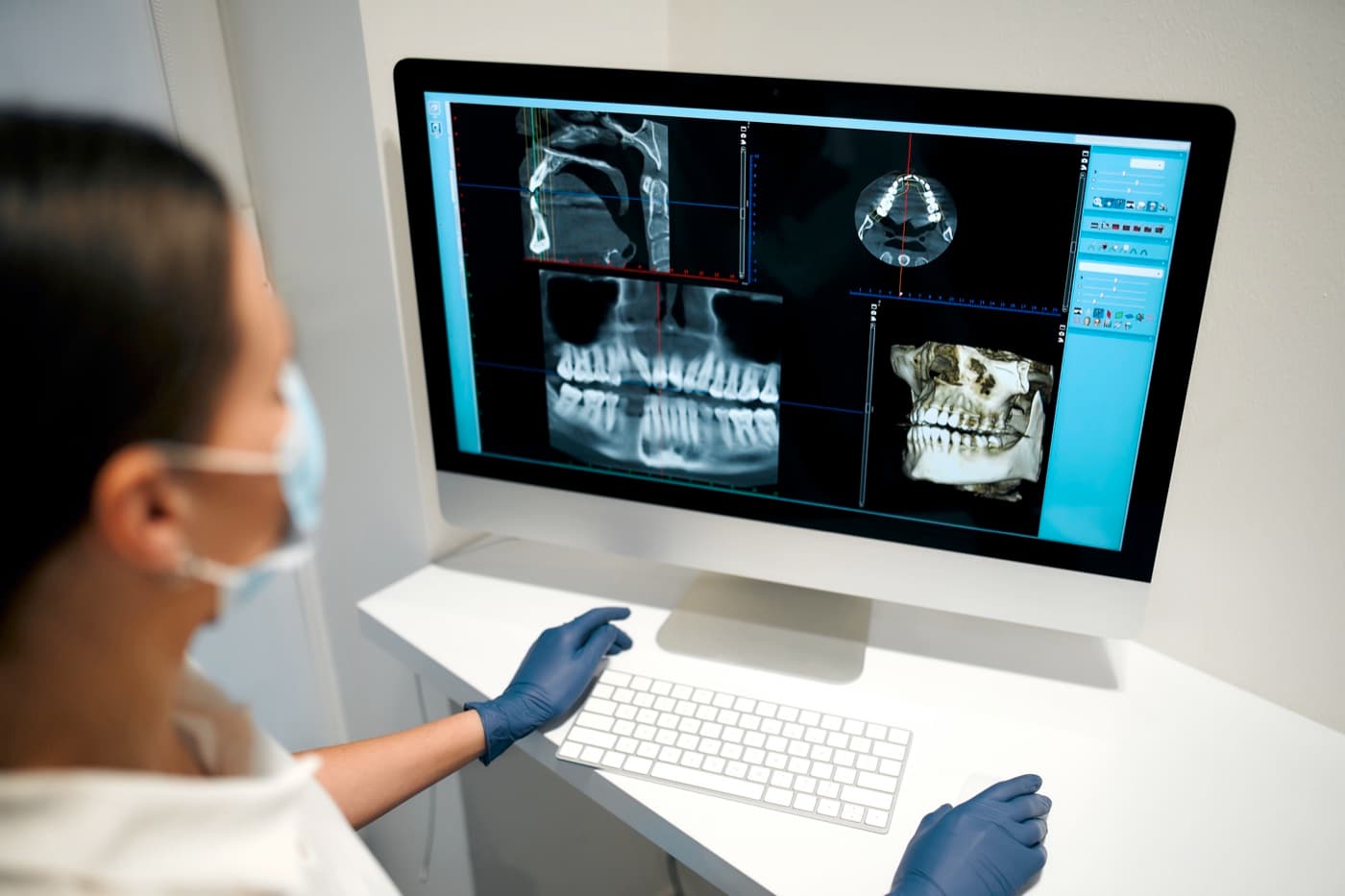
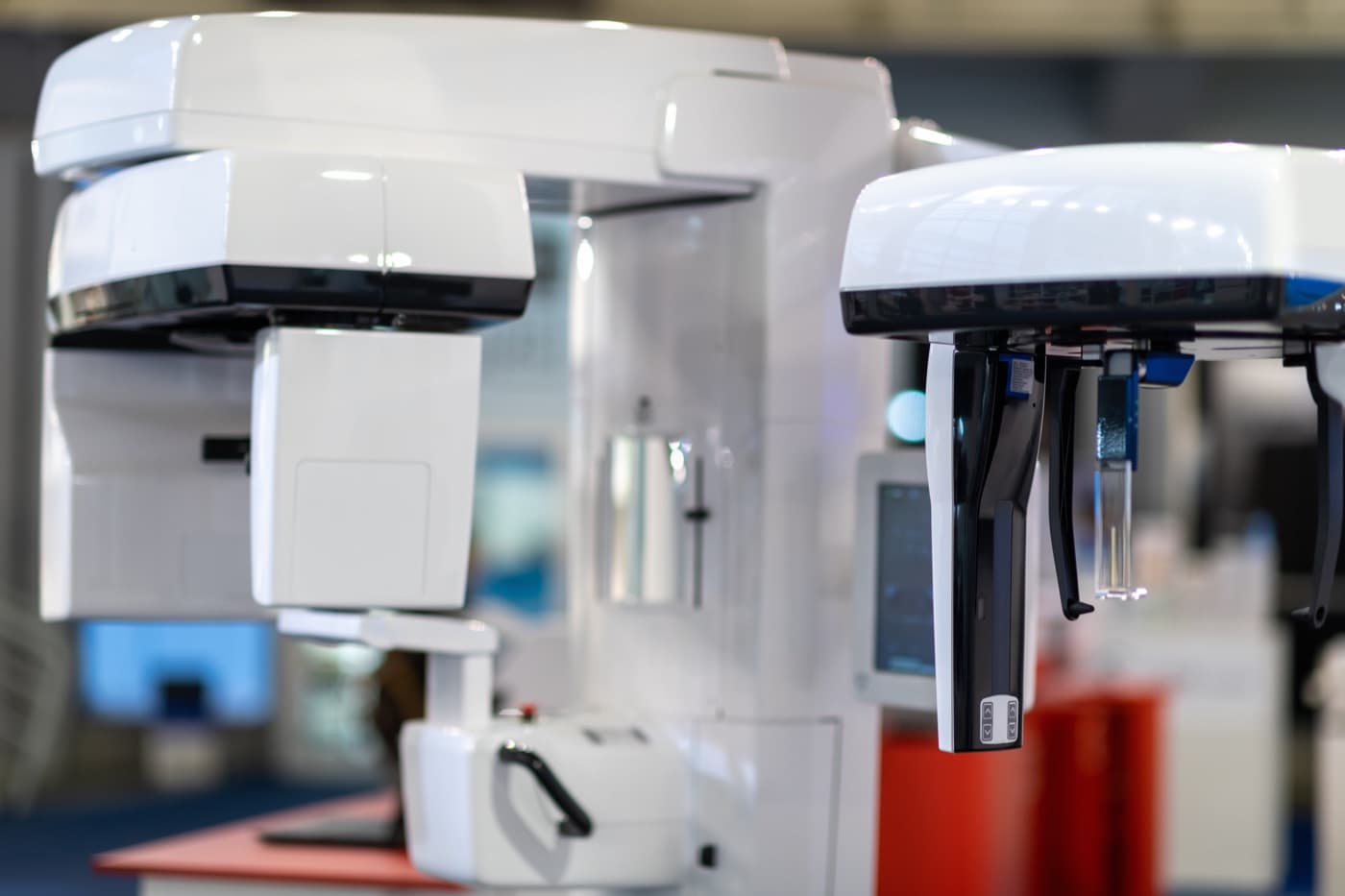
Implant planning starts with your health history and detailed imaging. Your surgeon looks at the amount and quality of bone available, the position of nearby structures such as nerves and sinuses, your gum health, and how your bite comes together.
Health factors — such as medical conditions, medications, smoking, and healing history — are part of the conversation, because they can affect how your mouth heals. None of these automatically rules implants out; they shape the plan.
If bone volume is limited, bone grafting may be recommended first or at the time of placement. Detailed 3D imaging helps your surgeon see these factors before anything is decided.

Your options
From a single tooth to a full arch
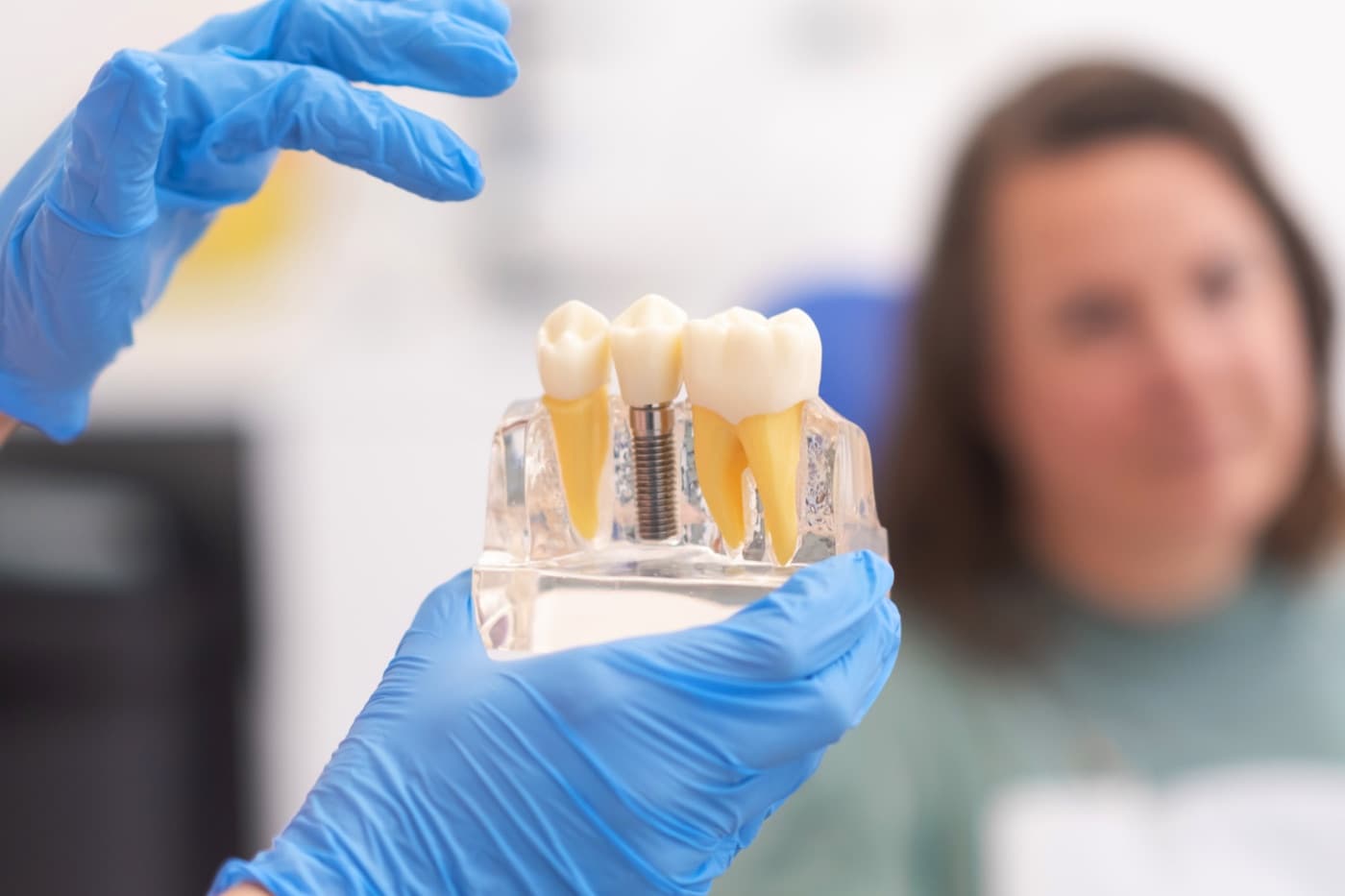
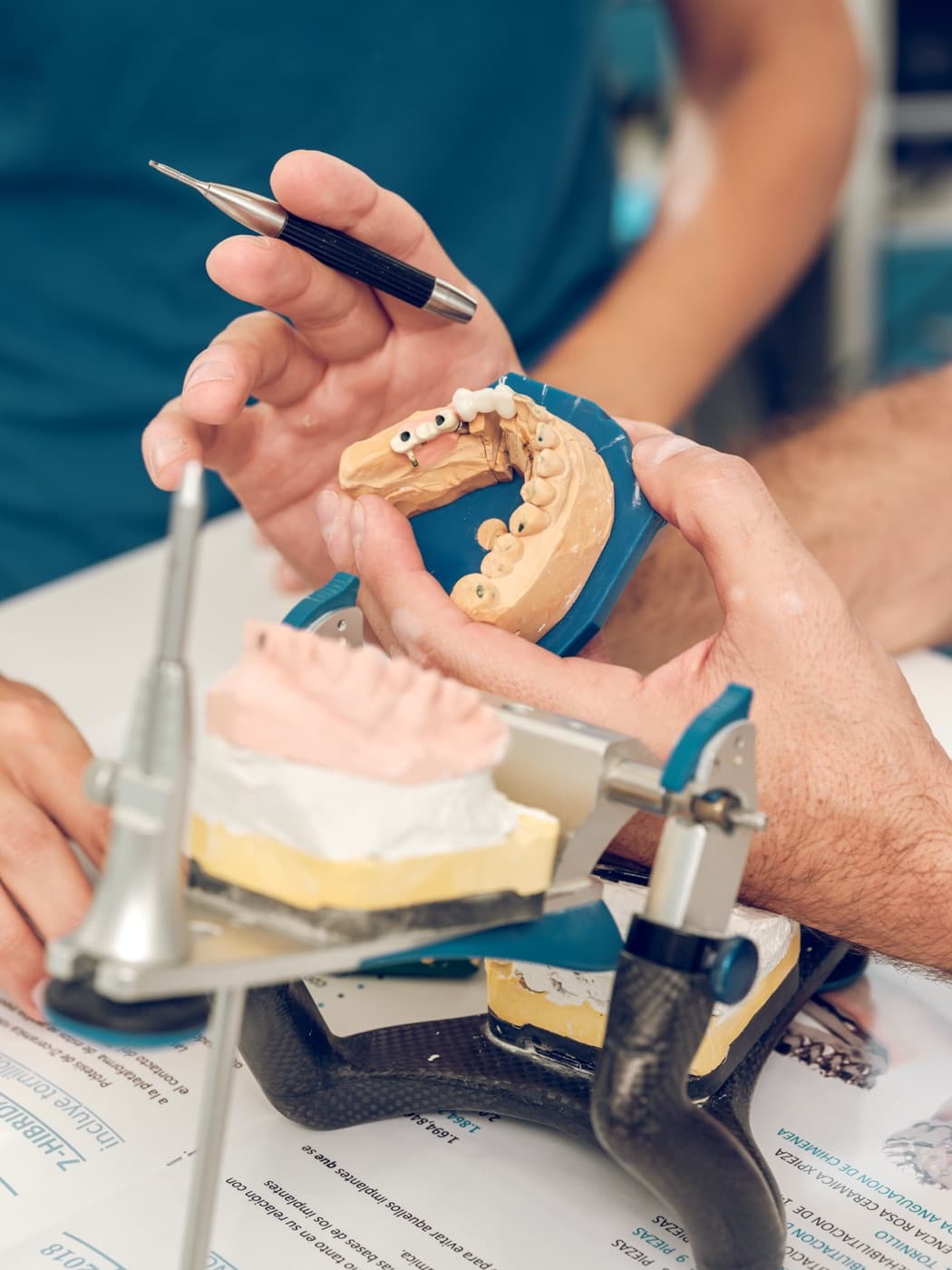
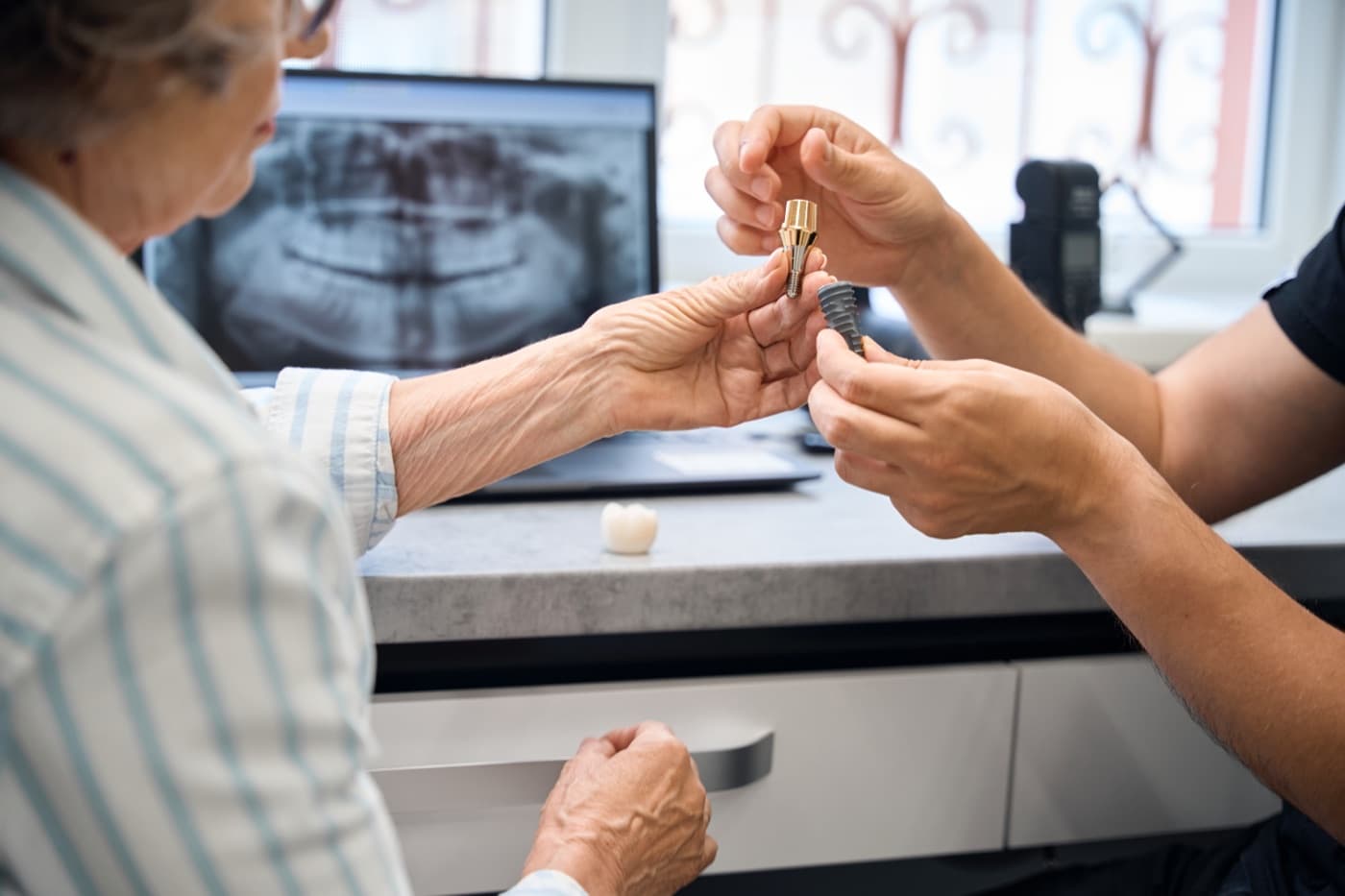
Implant treatment is not one procedure — it is a family of options matched to how many teeth are missing and what you want your final teeth to do.


Coordinated care
Two doctors, one plan
Implant treatment is a partnership. Knowing who does what helps the process make sense.
Your oral surgeon (here)
Evaluates candidacy, plans around your anatomy with 3D imaging, performs grafting when needed, places the implant, and manages surgical healing and follow-up.
Your restorative dentist
Designs and delivers the visible teeth — the crown, bridge, or full-arch restoration attached to the implant — and cares for them long term. We coordinate the plan and timing together from the start.
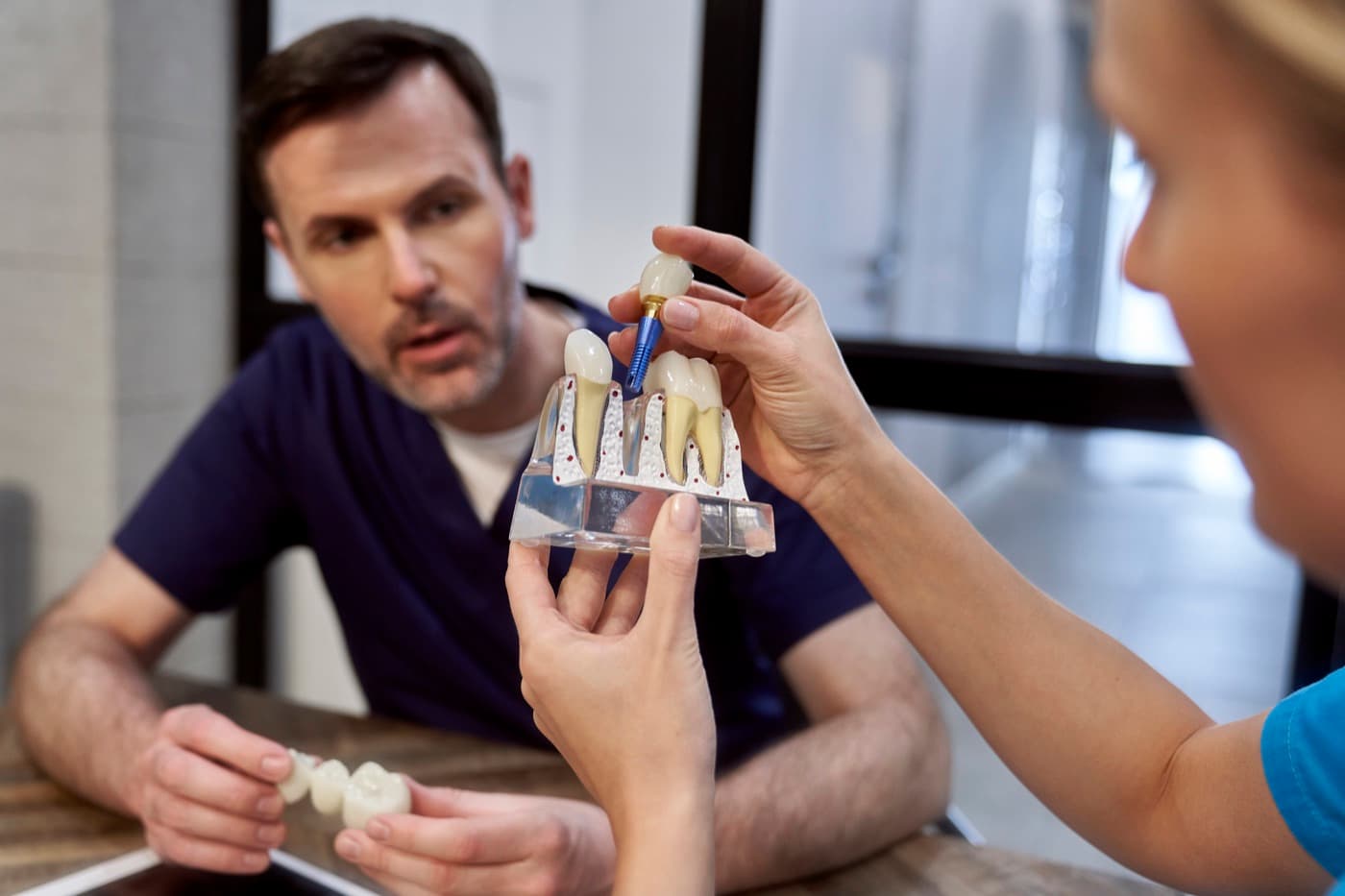

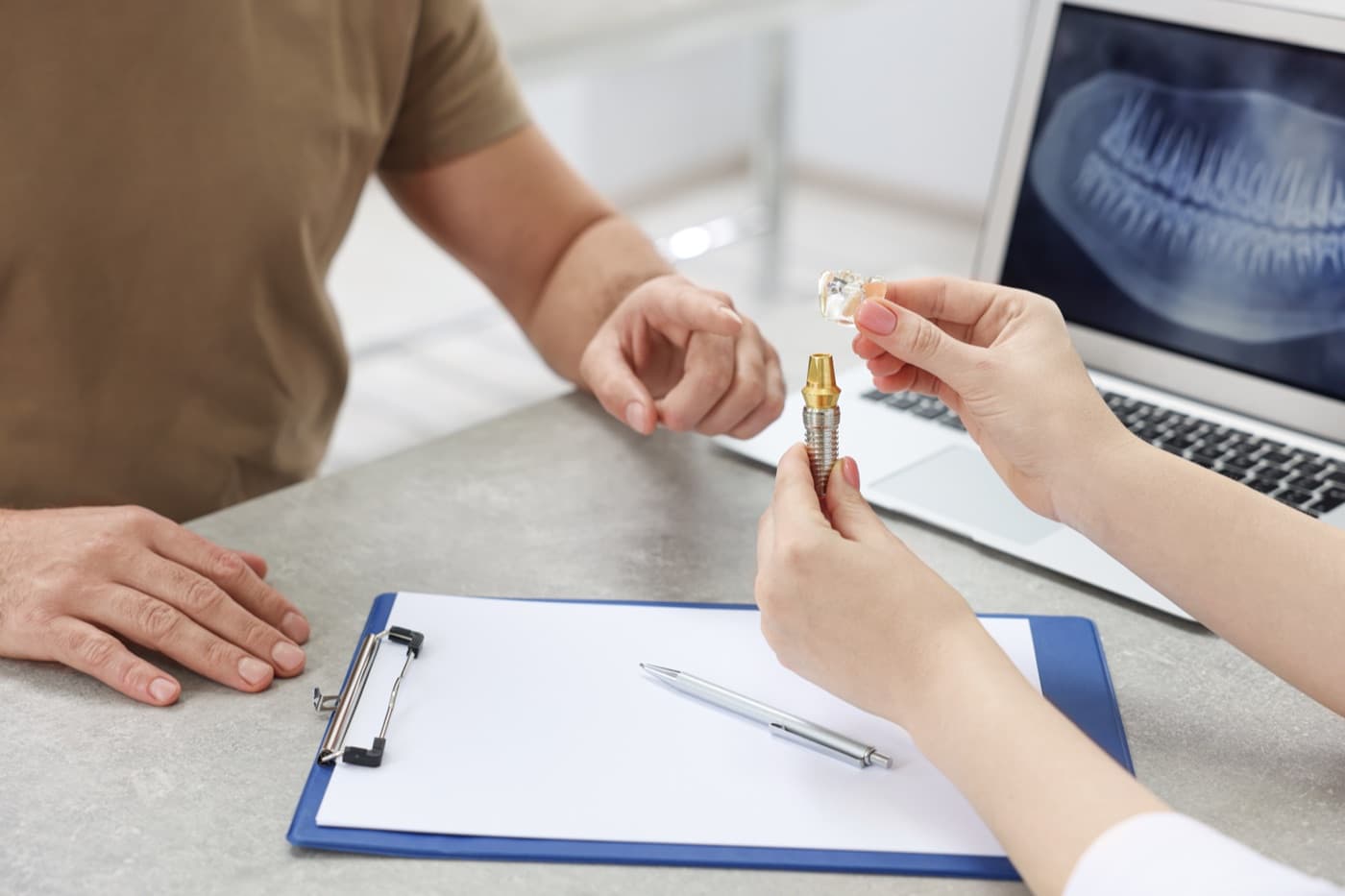
A stable foundation, planned around you.
An implant replaces the root of a missing tooth so a crown, bridge, or full-arch restoration can be built on a stable foundation. Planning starts with your health history and detailed imaging — not with one-size-fits-all promises.
Your oral surgeon and your restorative dentist coordinate one plan from the start, so evaluation, placement, healing, and the final teeth stay connected.
The journey
The implant process in five steps
Every plan is individual, but the path follows the same sequence.
Consultation
Exam, health history, 3D imaging, and an honest discussion of options.
Planning
Your surgeon and restorative dentist agree on the plan, sequence, and estimate.
Placement
The implant is placed with the comfort plan you chose. Grafting may happen first or alongside.
Healing
The implant integrates with your bone. Your surgeon monitors progress at follow-ups.
Restoration
Your restorative dentist attaches the final crown, bridge, or arch.
When grafting is part of the plan
After a tooth is lost, the surrounding bone can change shape over time. If imaging shows limited bone where an implant is planned, grafting rebuilds support so the implant has a sound foundation. Your surgeon will tell you if this applies to you and how it fits into the sequence.
Comfort during implant surgery
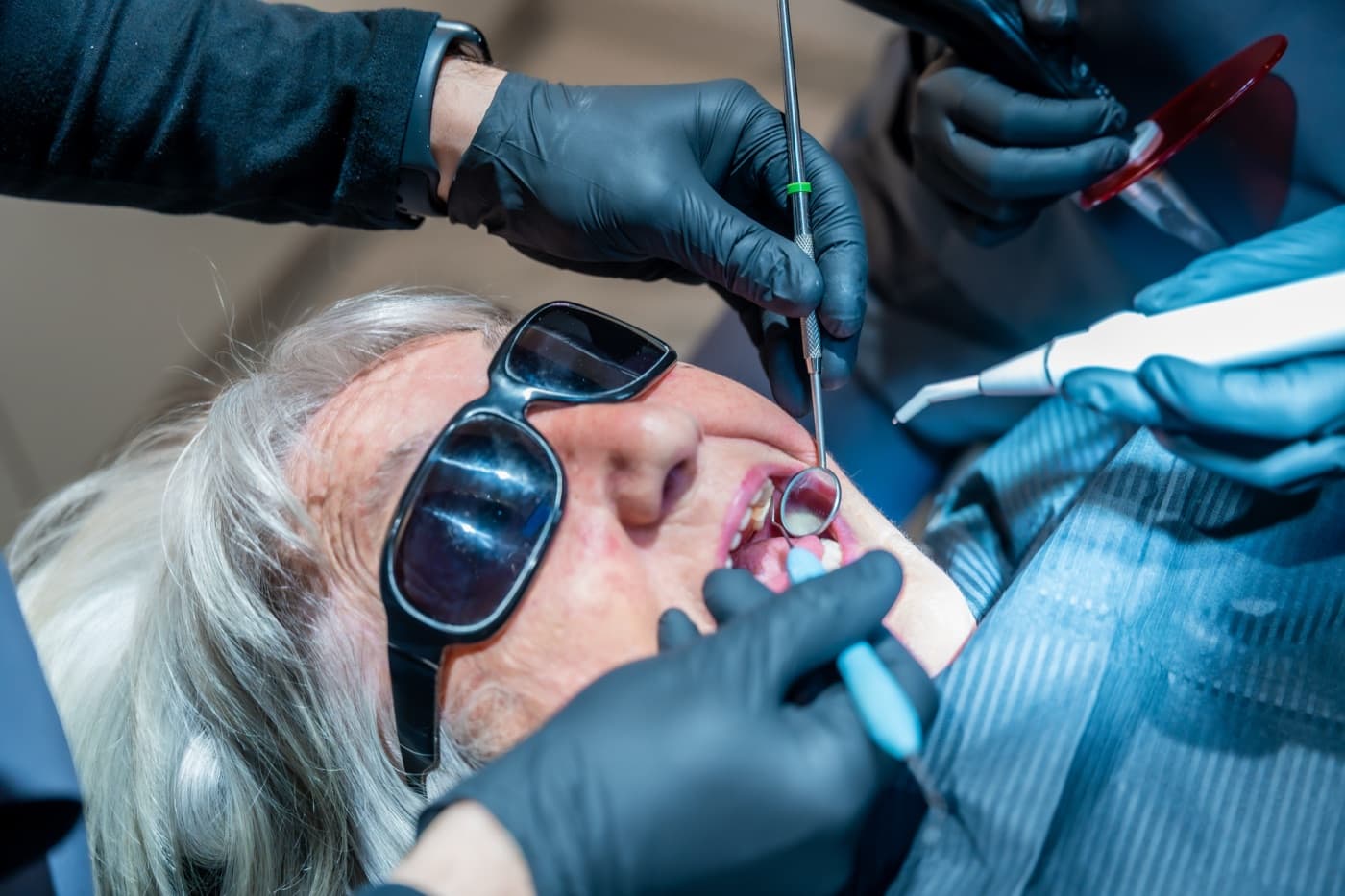
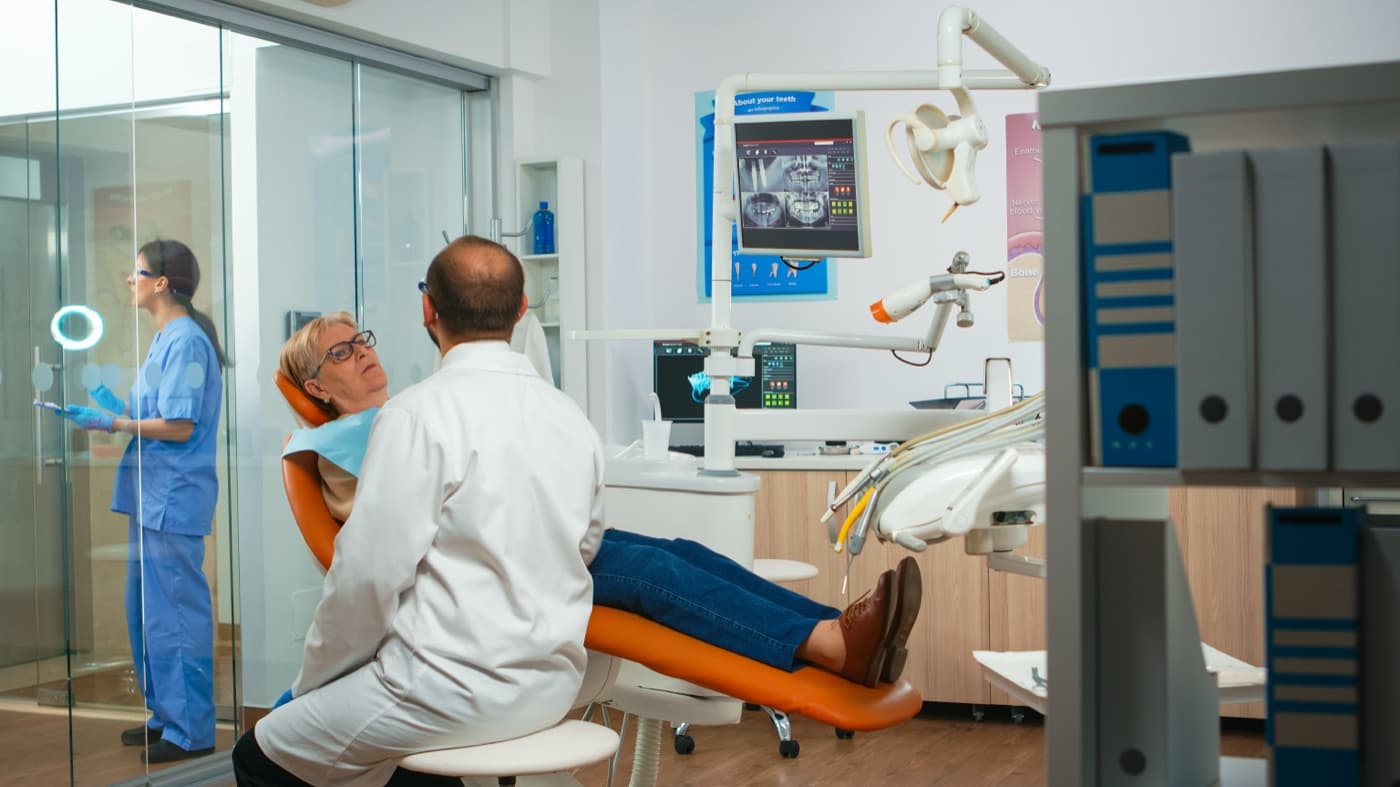
Implant placement is performed with an anesthesia and comfort plan selected with you at consultation — from local anesthesia to sedation options, depending on your procedure, health history, and preference.
Healing and final teeth
What healing looks like
Healing time varies by patient and procedure — your surgeon will give you a personal timeline rather than a generic number.
After placement, the implant needs time to integrate with your bone before it can carry the full force of chewing. During this period you will have clear instructions on eating, cleaning, and activity, plus follow-up visits so your surgeon can confirm healing is on track.
Depending on your plan, a temporary tooth or appliance may be worn during healing. When your surgeon confirms the implant is ready, your restorative dentist completes the final restoration.
Honest expectations
Maintenance, risks, and variability
Implants are a well-established treatment, and honest planning includes what they ask of you.
Maintenance matters
Implants need the same daily hygiene and regular dental visits as natural teeth. The gum and bone around an implant can develop problems if care lapses.
Risks are real but managed
As with any surgery, there are risks — including infection, implant failure to integrate, and injury to nearby structures. Your surgeon reviews the risks that apply to your specific plan before you decide.
Results vary by person
Bone quality, health factors, habits, and home care all influence outcomes. No responsible practice promises a guaranteed or permanent result — we plan for durability and tell you what affects it.
Cost
Understanding implant fees
Implant treatment is an investment, and the fee depends on your individual plan — number of implants, grafting, anesthesia, and the type of final restoration.
Before treatment begins, our team verifies your benefits and walks you through a written estimate so there are no surprises.
Common questions
Implant questions, answered plainly
Does getting an implant hurt?
How long does the whole process take?
Will I be without teeth during healing?
How long do implants last?
More questions? See the full implant FAQ →
Related care
Services that often work alongside implants

Watch
Dental implants, explained
A short video overview of how implants replace missing teeth.
Implant placement is performed at the practice’s Warren office, serving Watchung, Bridgewater, Basking Ridge and the surrounding Somerset County communities.
Further reading
Patient education written for this practice on the questions that come up before and after this procedure.
Dental Implants
What Actually Happens at a Dental Implant Consultation
An implant consultation is an evaluation and a conversation, not a sales pitch. Here is what to expect, what to bring, and what to ask.
5 min read
Jaw & Oral Health
Smoking, Health Conditions, and Dental Implants: What Your Surgeon Weighs
Your overall health shapes how implant treatment is planned. Here is why surgeons ask about smoking, medications, and medical conditions.
5 min read
Find out if implants fit your plan
A consultation with imaging is the only reliable way to know your options. Request a visit and we will take it from there.