

Dental implant questions, answered plainly
These are the questions implant patients actually ask at consultations — answered without marketing spin. For anything about your specific situation, your consultation is the real answer.
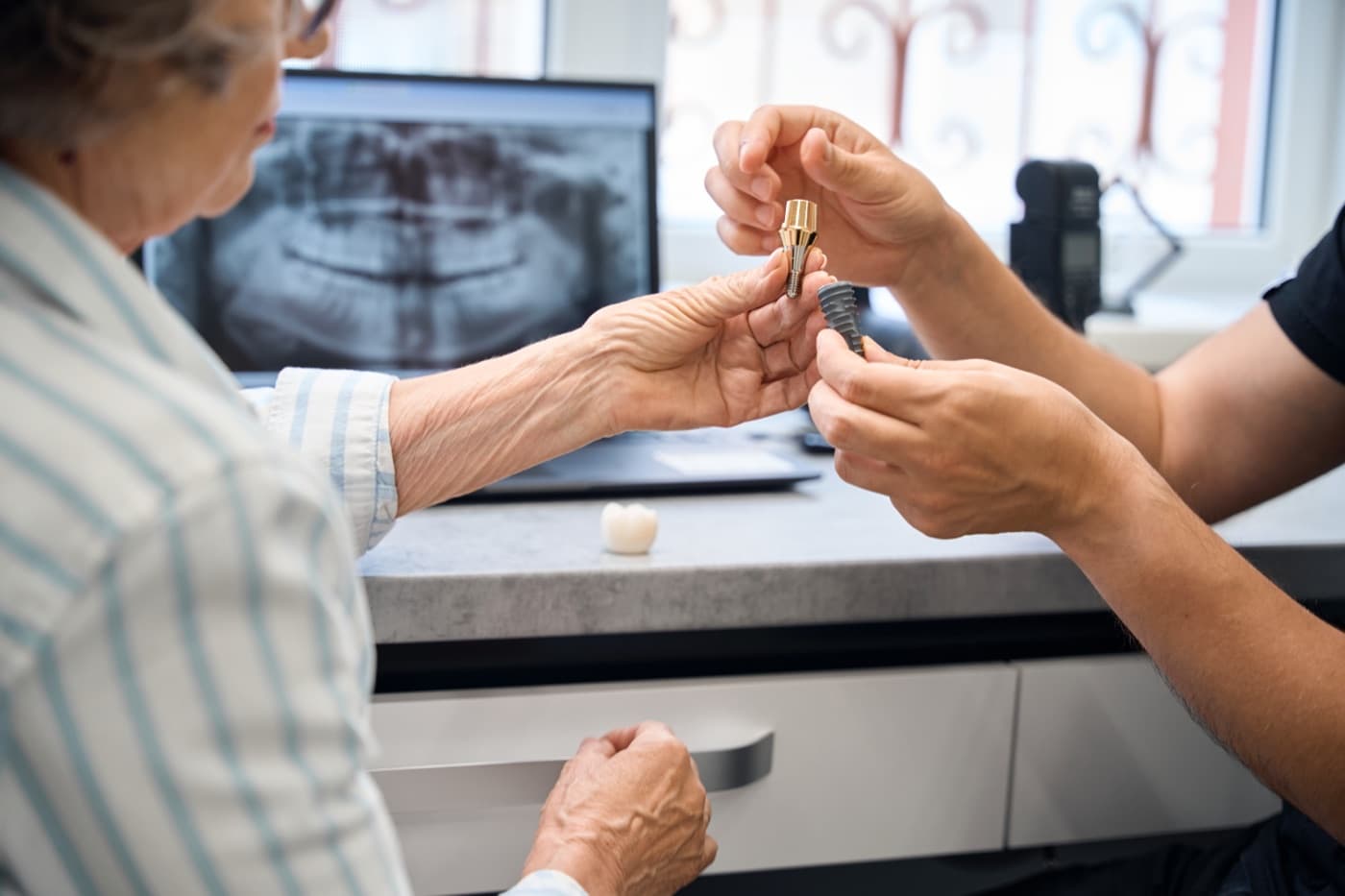
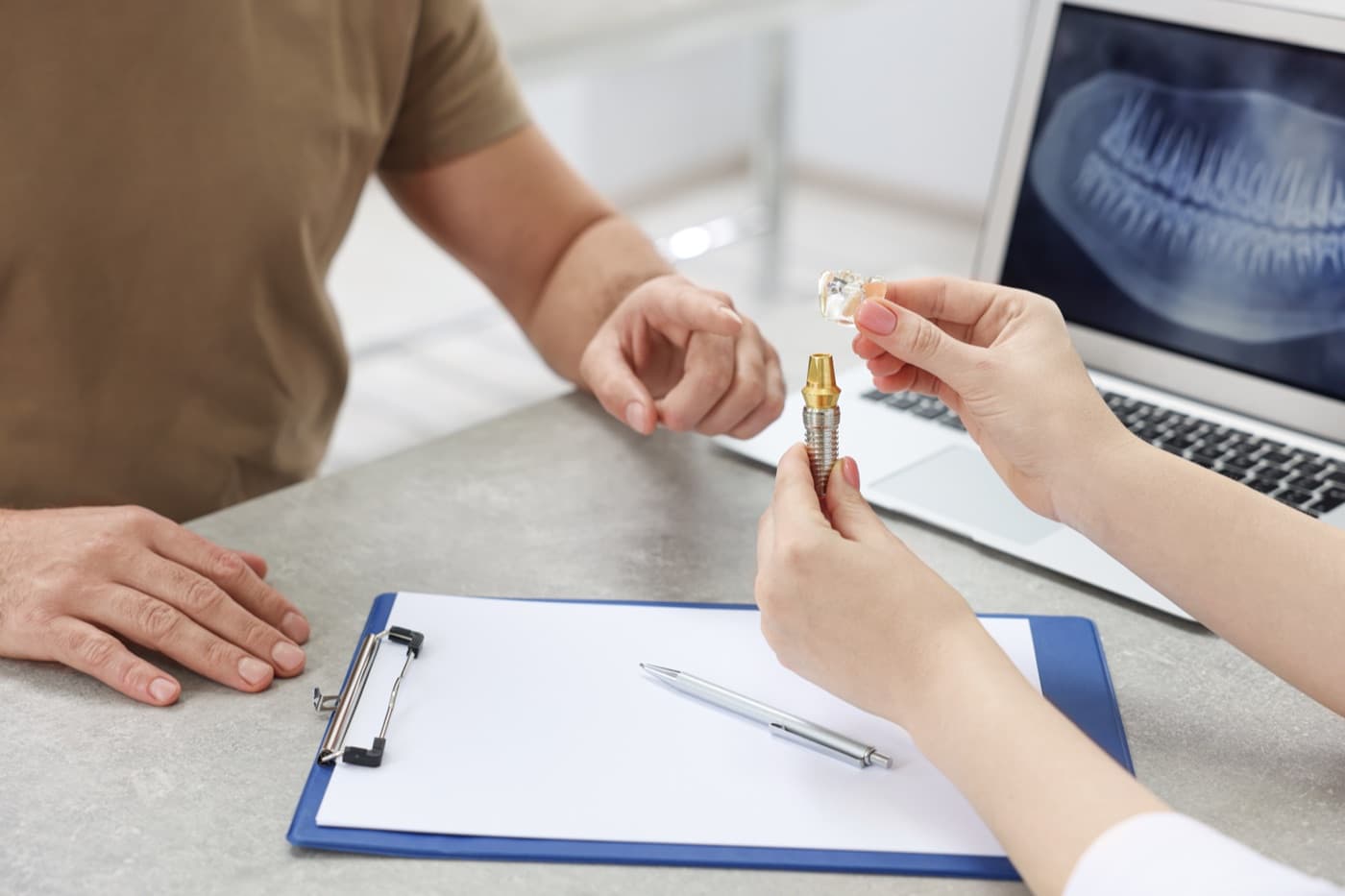
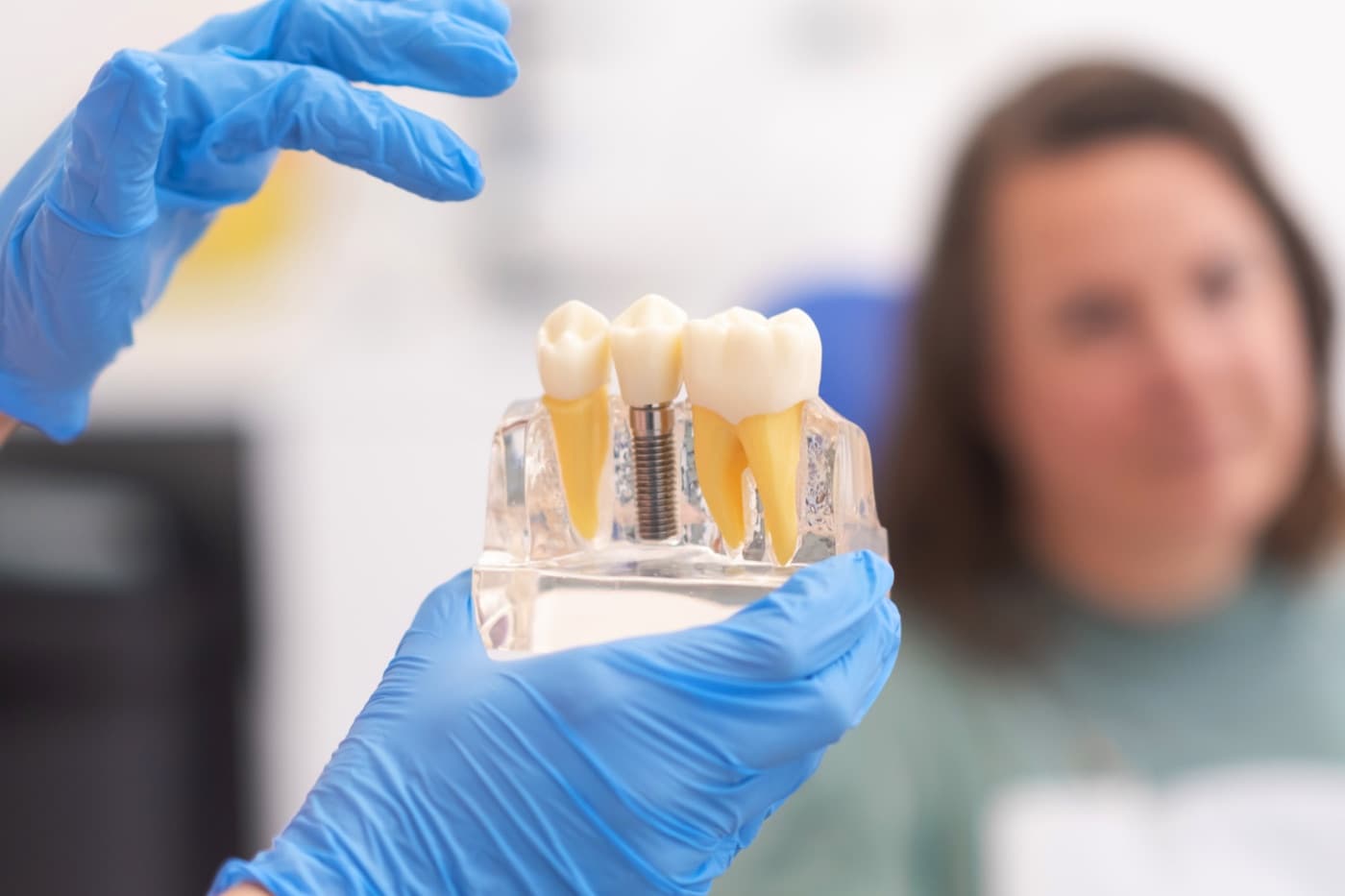
Straight answers, no marketing spin.
These are the questions implant patients actually ask at consultations — answered plainly, without marketing spin.
For anything about your specific situation, your consultation is the real answer: an exam, imaging, and an honest conversation about your options.
Frequently asked questions
Am I a candidate for implants?
Most adults with missing teeth can at least be evaluated. Candidacy depends on your bone, gum health, overall health, and medications — which is why the answer comes from an exam and 3D imaging, not a checklist online. Limited bone does not automatically rule you out; grafting can often rebuild support.
Does implant surgery hurt?
During the procedure, your anesthesia plan keeps you comfortable — options range from local anesthesia to sedation, chosen with you beforehand. Afterward, expect some soreness and swelling for a period that varies by person and procedure. Your written aftercare instructions cover what is normal and exactly when to call us.
How long does treatment take from start to finish?
It genuinely varies. Extractions, grafting, healing speed, and the type of final restoration all change the sequence. Your surgeon maps your personal timeline at consultation and updates it at each follow-up, so you always know what stage you are in and what comes next.
Will I have a gap while the implant heals?
Usually not. Temporary options — a provisional tooth, bridge, or appliance — are planned before surgery so you can work and socialize normally during healing. Which option fits depends on the site and your plan.
What if I don't have enough bone?
This is common and usually solvable. Bone grafting rebuilds volume where it has been lost, either before implant placement or at the same visit. For upper back teeth near the sinus, a sinus lift may be recommended. Read about bone grafting.
How long do implants last?
Implants are designed as a long-term solution, but no ethical practice promises “forever.” Longevity depends on your daily hygiene, regular dental care, health factors, and habits like smoking or grinding. Your team will tell you specifically what protects your result.
Can implants fail?
Yes — occasionally an implant does not integrate with the bone, or problems develop later around the gum and bone. Your surgeon reviews the risks that apply to your case before you decide, monitors healing at follow-ups, and discusses next steps openly if anything is off track.
Who takes care of my implant afterward — you or my dentist?
Both, in sequence. We manage the surgical phase and healing; your restorative dentist makes and maintains the final teeth and sees you for regular checkups. The two offices coordinate directly, and you can always call either with questions.
Want the deeper explanations? Start with the implant overview →
Your situation deserves a real answer
FAQs cover the general case. A consultation with imaging answers the question that matters — yours.