
Bone grafting: building the foundation
Implants and some restorations need adequate bone to succeed. When bone has diminished, grafting rebuilds it. Here is why that happens, what grafting involves, and how it fits into a larger plan.
The why
Why bone volume changes — and why it matters
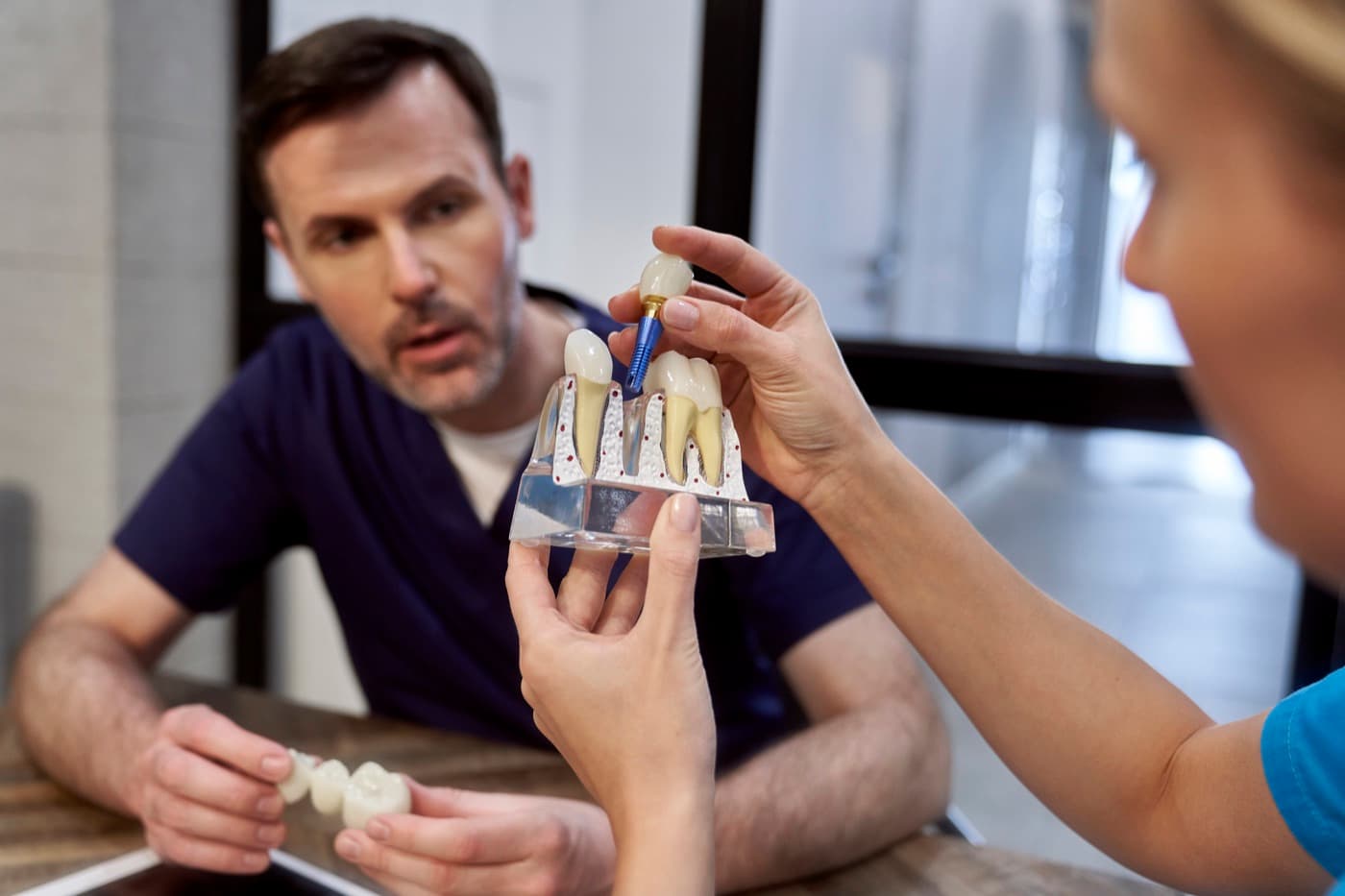
Jaw bone stays healthy through use: the roots of your teeth stimulate it every time you chew. When a tooth is lost, that stimulation stops and the bone in the area gradually changes shape and loses volume. Gum disease, infection, and trauma can also reduce bone.
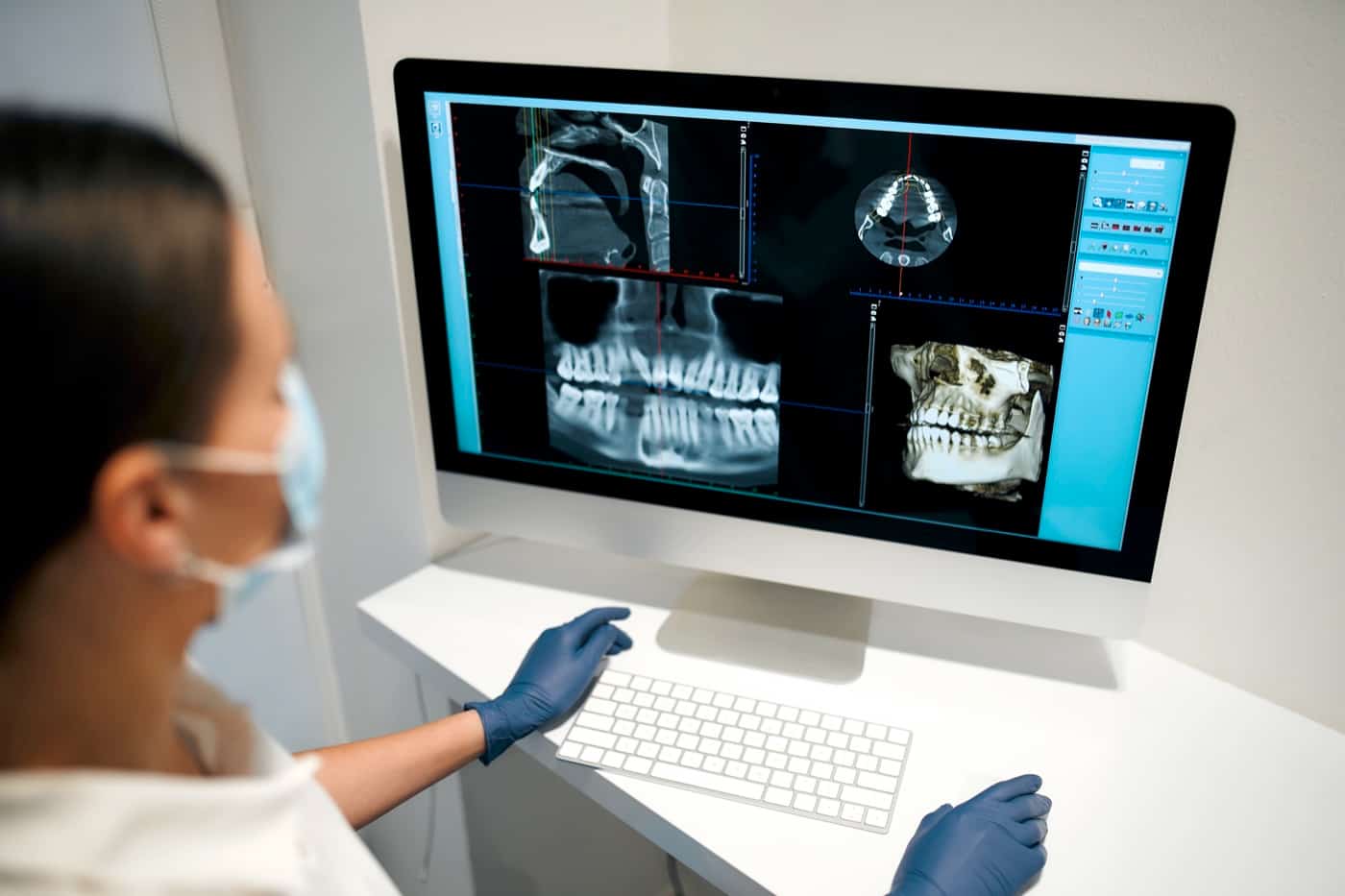
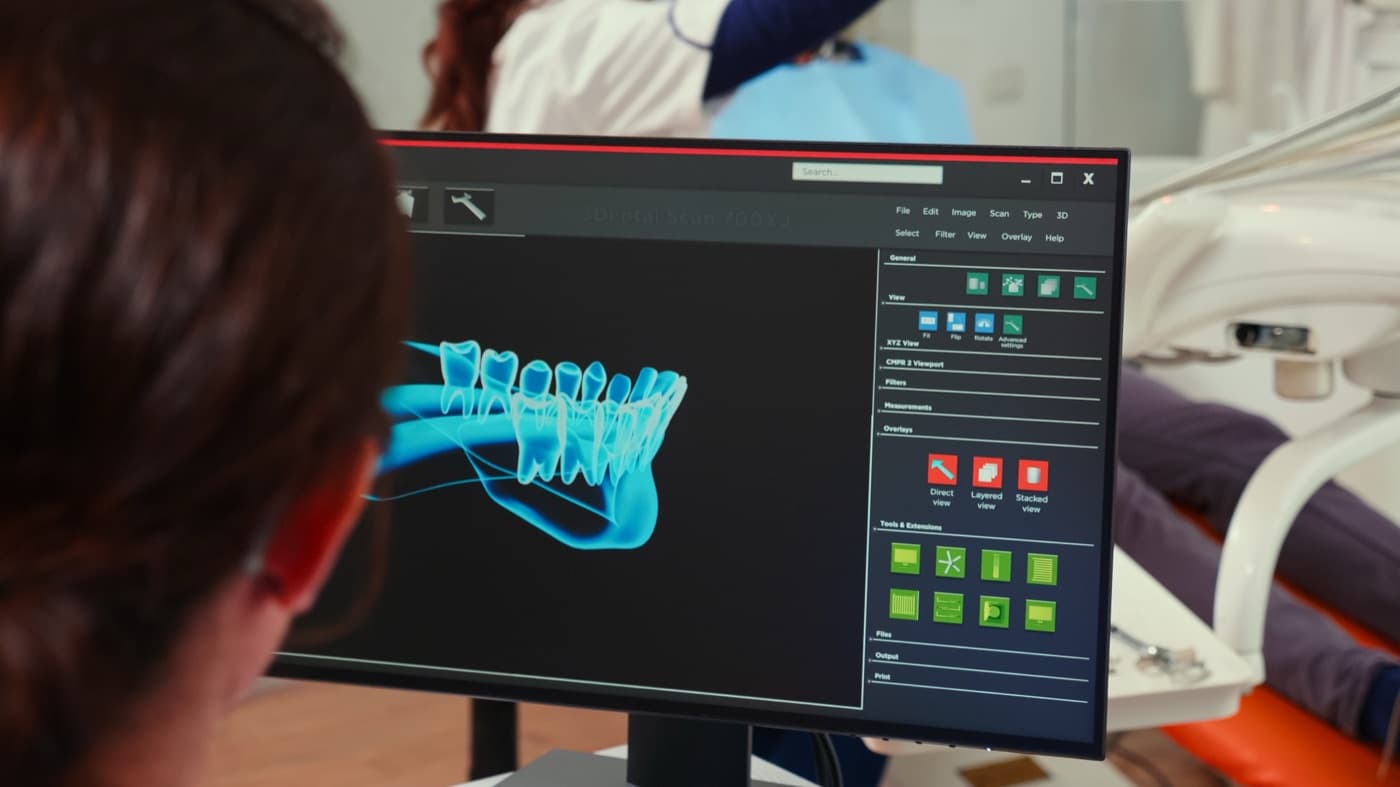
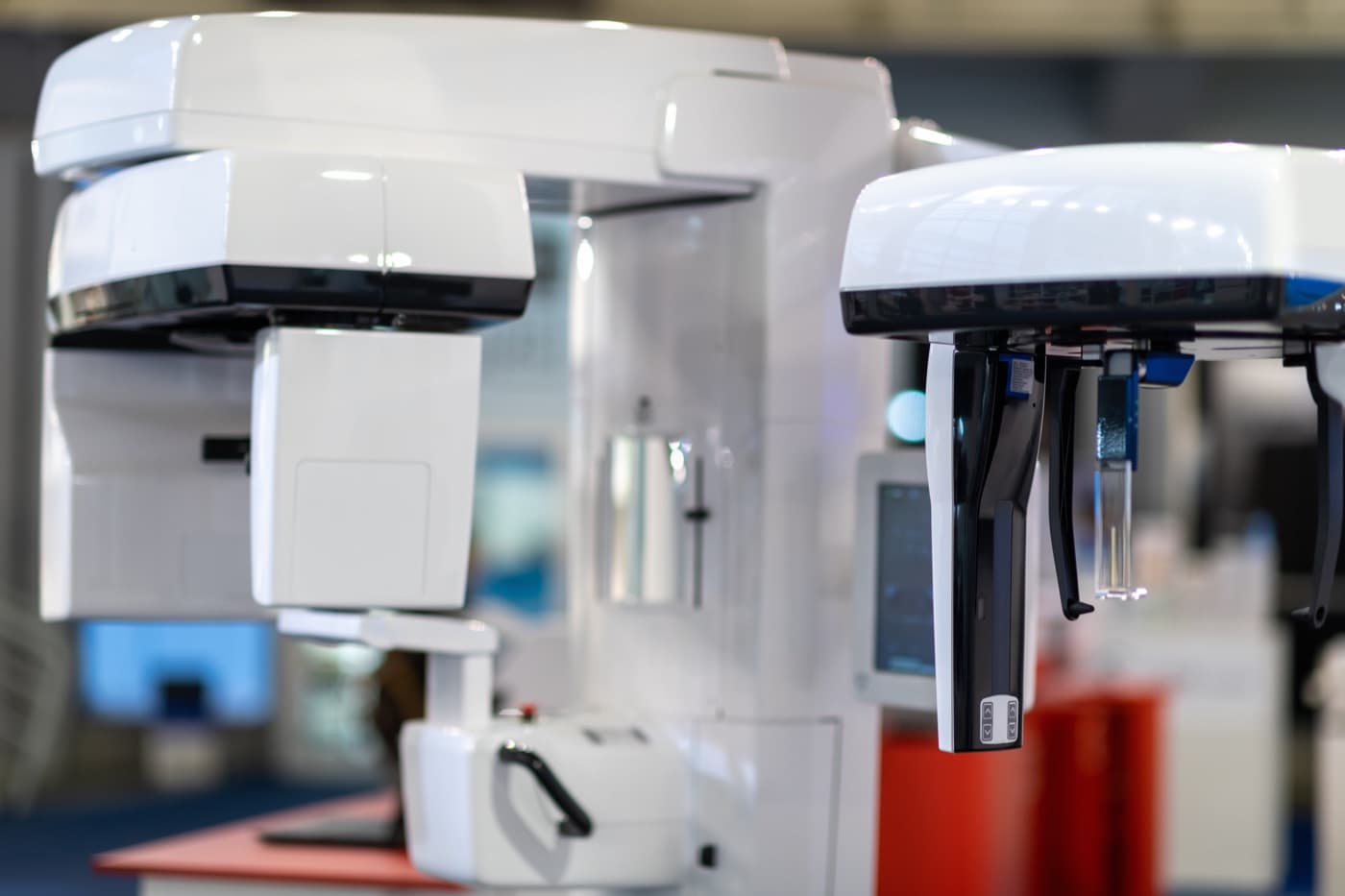
How much change occurs — and how quickly — varies from person to person, which is why imaging, not assumptions, guides planning. If you are considering an implant, your surgeon evaluates whether the bone at the site can support one. When it cannot, grafting is usually the answer, not the end of the road.
The options
Types of grafting we perform
Different situations call for different techniques. Your surgeon recommends the one your anatomy actually needs.
Socket preservation
Performed at the time of a tooth extraction: grafting material is placed into the empty socket to help maintain bone volume while the site heals. It keeps future options — especially an implant — open.
About extractions →Ridge augmentation
Rebuilds width or height in an area where bone has already diminished — often at a site where a tooth has been missing for a while. This creates the foundation an implant needs.
About implants →Sinus lift
For the upper back jaw, where the sinus sits close to the implant site. The sinus membrane is gently raised and grafting material added beneath it to create implant-ready bone height.
Sinus lift details →Grafting materials come from several sources, each with trade-offs your surgeon will explain when recommending one for your case.
What to expect
Healing, honestly
After grafting, the material integrates with your own bone during a healing period. How long that takes varies with the type of graft, the size of the area, and how your body heals — your surgeon gives you a personal timeline and confirms readiness with imaging before any implant is placed on a grafted site.
Day to day, grafting recovery resembles other oral surgery: some swelling and soreness at first, a protective diet, and written instructions for caring for the site. Comfort options for the procedure itself are discussed in advance. See anesthesia & comfort options.
The step that makes the destination possible.
Implants and some restorations need adequate bone to succeed. When bone has diminished, grafting rebuilds it — usually the answer, not the end of the road.
Grafting is rarely the destination. It is the step that makes the destination possible, sequenced so each stage builds on a confirmed, healed foundation.
The bigger picture
How grafting fits an implant plan
Grafting is rarely the destination — it is the step that makes the destination possible. Depending on your case, grafting may happen well before implant placement, or at the same visit. Your surgeon sequences it so each stage builds on a confirmed, healed foundation.
Related care
Services that work alongside grafting
Watch
Bone grafting, explained
A short video overview of how grafting rebuilds bone for future treatment.
Told you need a graft?
Bring your questions — the consultation covers why, which technique, and how it fits your timeline.