
Why the Jawbone Changes After Tooth Loss — and What Can Be Done
5 minute read
DRAFT — pending clinical review v1.0-draft Clinical reviewer (to be assigned)
Bone is living tissue that responds to use. When a tooth is lost, the bone that held it begins to change. Here's why, and what your options are.
Bone is living tissue that responds to demand
It is natural to think of bone as fixed scaffolding, but bone is dynamic, living tissue that constantly renews itself — and it takes cues from how it is used. The bone of the jaw is a striking example. The ridge of bone that surrounds and supports your teeth exists, in a real sense, because the teeth are there. Every time you bite and chew, the roots transmit force into that bone, and the stimulation signals the body to maintain it.
This is the same principle at work elsewhere in the body: tissues that are loaded and used are maintained, while tissues that go unused are gradually resorbed. The jaw simply demonstrates it in a place where the consequences are visible.
What happens when a tooth is lost
When a tooth is removed or lost, the stimulation to its section of bone stops. Without that signal, the body begins to remodel the area, and the ridge in that spot gradually becomes narrower and shorter. The pace and extent vary from person to person, but the direction of change is consistent, and it tends to be most active in the period after the tooth is lost.
Neighboring teeth can also respond to the new gap — drifting or tipping into the space — and when many teeth are missing, changes in the ridge can eventually affect how dentures fit and even the appearance of the lower face. None of this is cause for alarm, but it is a reason tooth replacement is about more than filling a visible gap.
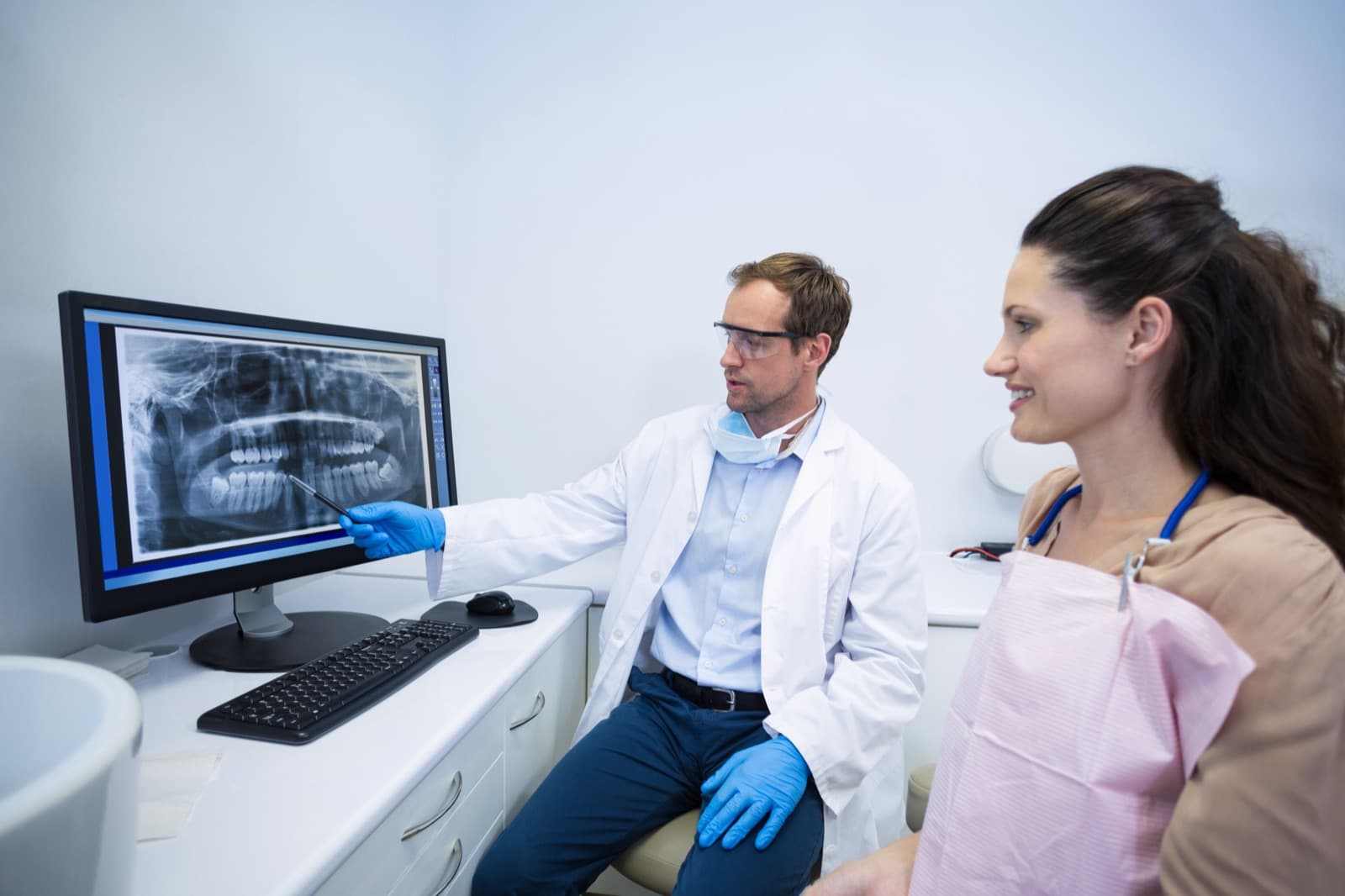
It helps to know that this process is silent. There is no pain or sensation as a ridge remodels, which is why the change often goes unnoticed until a replacement is being considered. An examination — with imaging when clinically indicated — is how the current state of a site is actually assessed.
Why this matters for your future options
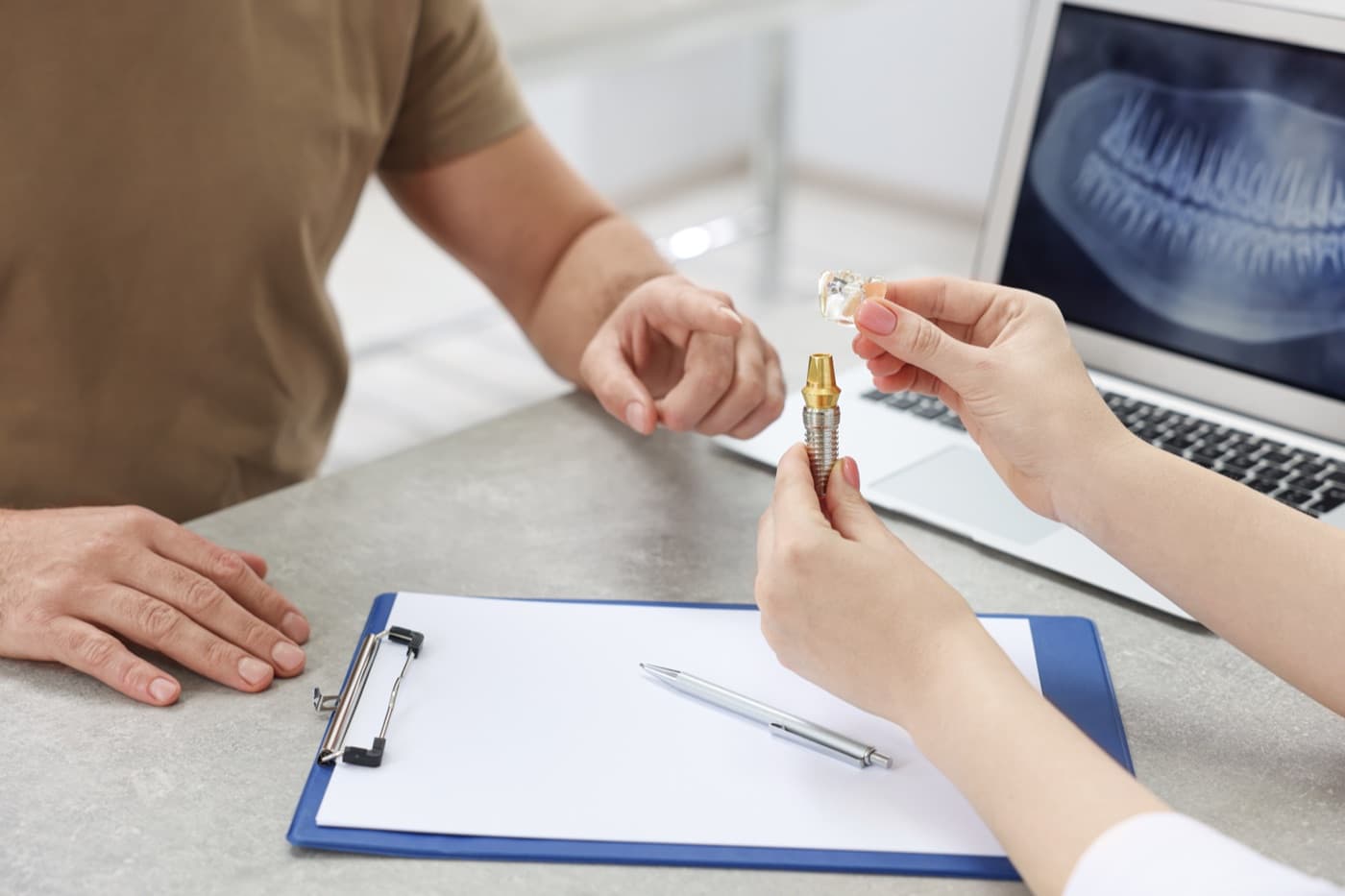
The most common reason patients hear about bone changes is dental implants. An implant needs an adequate volume of healthy bone to anchor in, so the condition of the ridge is central to implant planning. A site that has remodeled significantly may need additional preparation before an implant can be placed.
This is also why timing comes up in consultations. Because remodeling continues over time, the options available at a site can look different depending on when replacement is pursued. Discussing a replacement plan around the time a tooth is removed — even if you choose to act later — keeps you informed about your own situation rather than guessing.
None of this means a decision must be rushed. It means the decision deserves to be an informed one, made with a clear picture of your own site rather than assumptions.
How surgeons preserve and rebuild bone
Oral surgeons have well-established techniques for both protecting bone and restoring it. At the time of an extraction, a surgeon may place grafting material into the empty socket — a procedure often called socket preservation — to support the ridge as it heals. For sites that have already lost volume, bone grafting procedures can rebuild width or height, and in the upper jaw a sinus lift can create room for implants near the sinus floor.
Dental implants themselves play a preserving role once placed: because an implant transmits chewing force into the bone much as a natural root did, it restores the stimulation that maintains the ridge around it. Which of these approaches fits your situation — if any — depends on an examination and, when clinically indicated, imaging of the site. This article is educational, not a treatment recommendation.
Common questions
Does everyone lose bone after an extraction?
I lost a tooth years ago. Is an implant still possible?
Do dentures stop bone changes?
This article is general education, not personal medical advice. It cannot account for your health history or imaging, and it never replaces the evaluation and written instructions you receive from your surgeon.

Ready to talk through your plan?
Request a consultation and our team will follow up to schedule your visit.