
Oral Lesions: What “Let's Keep an Eye on It” Actually Means
5 minute read
DRAFT — pending clinical review v1.0-draft Clinical reviewer (to be assigned)
When a dentist or surgeon says a spot in your mouth should be watched, that's a real clinical plan — not a brush-off. Here's what monitoring involves.
A plan, not a postponement
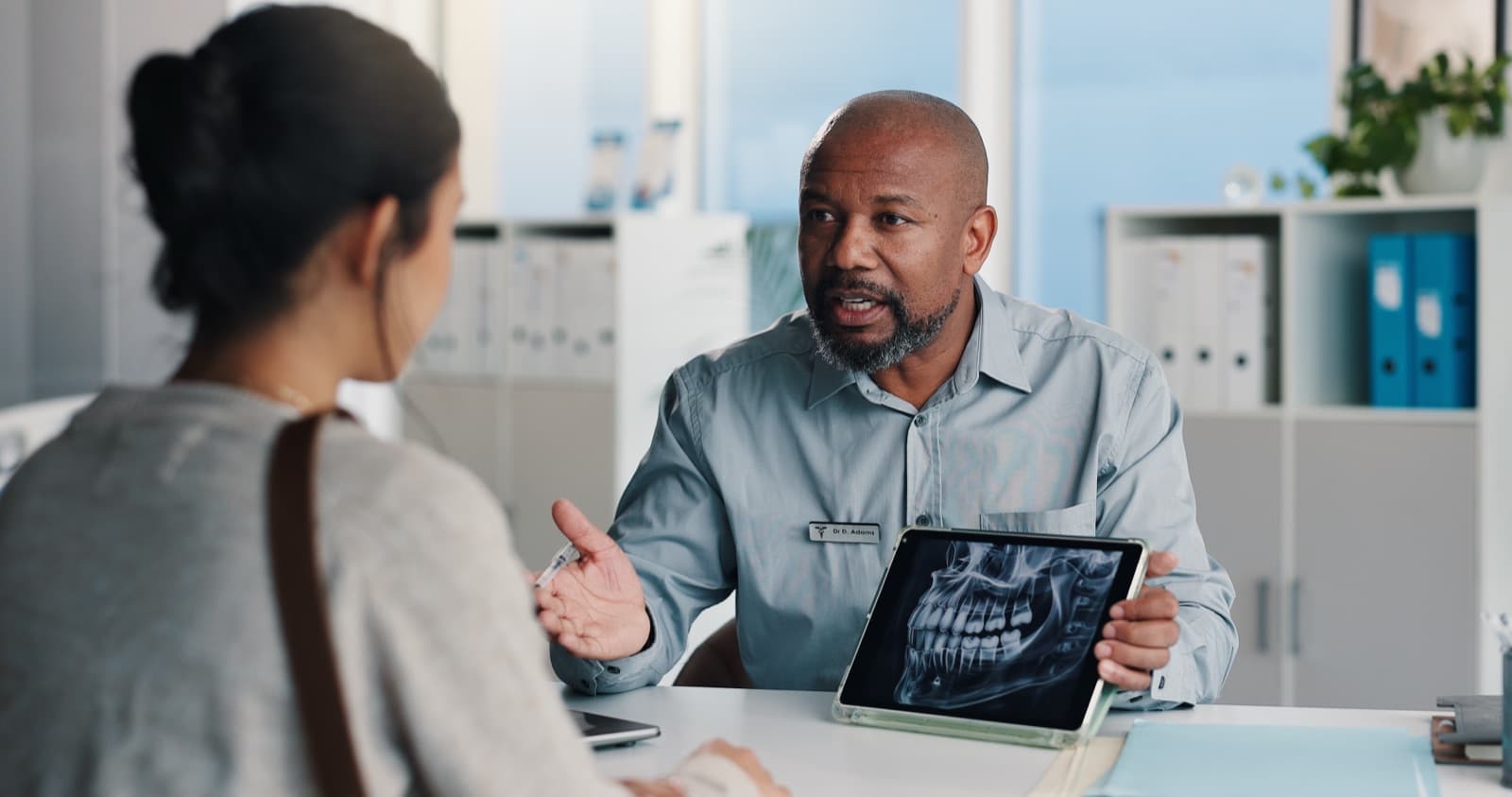
You point out a spot on your cheek, a patch on your tongue, or a bump on your gum, and the answer comes back: “Let's keep an eye on it.” To many patients, that sounds like nothing is being done. In reality, watchful waiting is an active clinical strategy with a clear logic behind it.
Most lesions in the mouth are benign, and many are transient — the aftermath of a bite, a burn from hot food, irritation from a denture edge or a rough tooth. Because harmless lesions typically change or resolve over a short horizon, observing what a spot does over time is itself diagnostic information. The plan is not to ignore the lesion; it is to let its behavior reveal what it is.
Watchful waiting also reflects a respect for proportion. Rushing to biopsy every minor spot would subject many patients to procedures they never needed, while ignoring persistent changes would miss the few that matter. Observation over a defined window is the middle path that protects against both errors.
What your clinician is actually tracking
Monitoring is specific. Your dentist or surgeon notes the lesion's location, size, color, texture, and borders — often with photographs or measurements — and then compares those features at a follow-up visit. A lesion that shrinks or disappears tells one story. A lesion that persists, grows, changes color, develops mixed red and white areas, hardens, or begins to bleed easily tells another.
Removing an obvious source of irritation is often part of the plan: smoothing a sharp tooth, adjusting a denture, or addressing a habit. If the suspected cause is removed and the lesion remains, that persistence becomes meaningful on its own.
Risk context is part of the assessment too. Tobacco and heavy alcohol use raise the stakes for certain lesions, so a clinician deciding whether to watch or test considers not just how a spot looks but whose mouth it is in. Sharing your habits honestly helps that judgment — no one is grading you.
When watching ends and testing begins
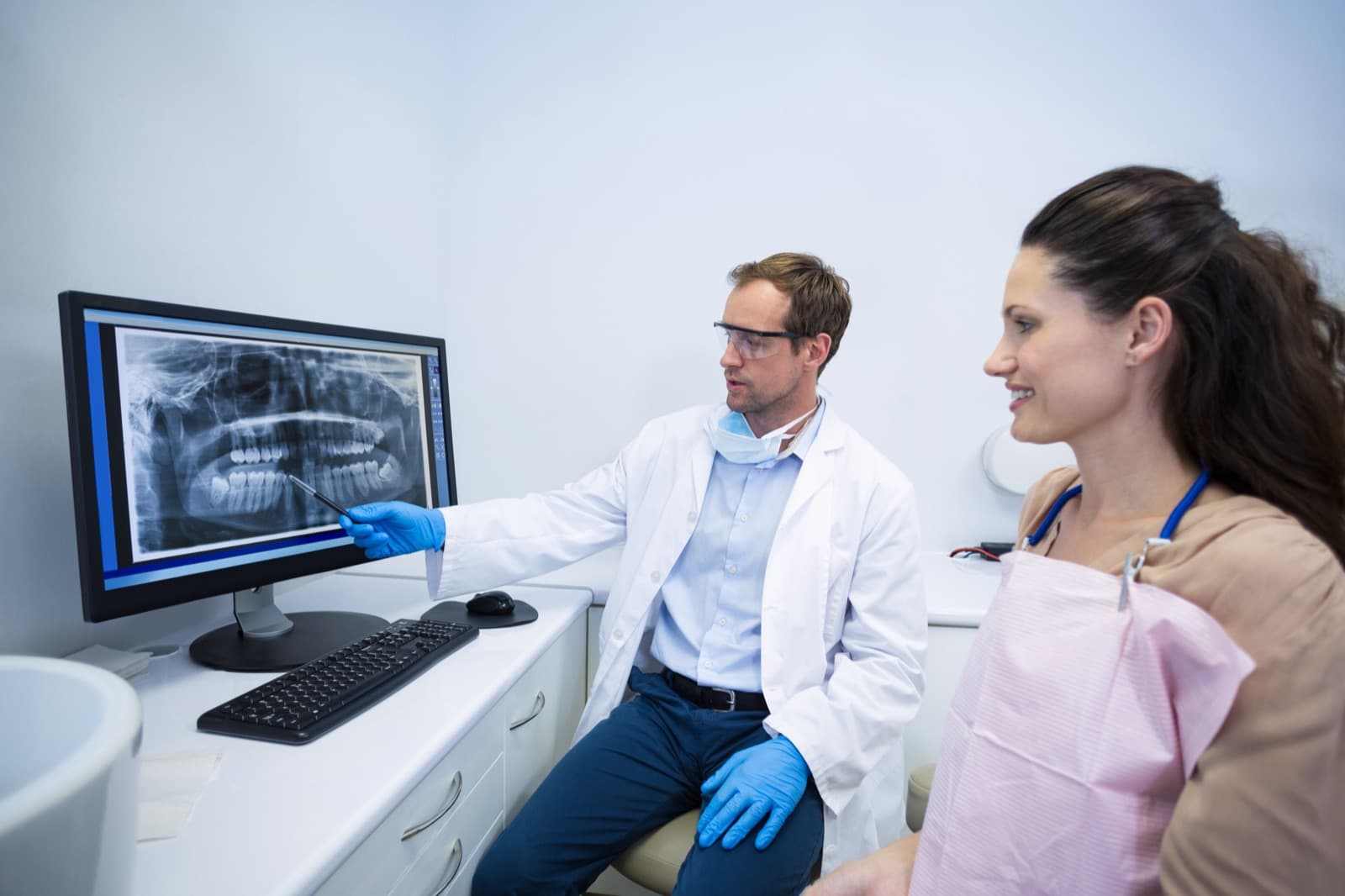
Watchful waiting has a defined endpoint. If a lesion persists beyond the window your clinician set, or changes in a concerning direction, the next step is usually a biopsy — removing a small sample, or sometimes the entire lesion, so a pathologist can examine the tissue under a microscope and provide a definitive diagnosis.
Oral surgeons perform biopsies routinely, typically under local anesthesia as a brief office procedure. A biopsy is not a statement that something is feared to be serious; it is simply the honest way to replace uncertainty with an answer, and results often confirm a benign condition.
If a biopsy is recommended for you, ask what the surgeon expects to learn, how the sample will be taken, and how you will receive the results. Knowing the plan for the answer — not just the procedure — makes the waiting period easier.
Your role between visits
If you have been asked to watch a lesion, take the assignment literally. Look at the area regularly in good light, and note anything that changes — size, color, texture, or new symptoms like numbness, pain, or bleeding. Photographs on your phone, taken at the same angle over time, can be genuinely useful at your follow-up.
Return when you were asked to return, even if the spot seems unchanged — an unchanged, persistent lesion is exactly the kind that needs a professional decision about next steps. And if something changes noticeably before your scheduled visit, call rather than wait. This article is educational; any specific lesion deserves an in-person evaluation.
Common questions
Does “keeping an eye on it” mean my dentist thinks it's nothing?
What changes should prompt me to call before my follow-up?
Is a biopsy painful?
This article is general education, not personal medical advice. It cannot account for your health history or imaging, and it never replaces the evaluation and written instructions you receive from your surgeon.
Ready to talk through your plan?
Request a consultation and our team will follow up to schedule your visit.