

Tooth extractions, handled with a plan
When a tooth cannot be saved — or removing it protects the rest of your mouth — the goal is a controlled, comfortable procedure and a clear path for what comes next, including whether you plan to replace the tooth.
Why extraction
When removing a tooth is the right call
Extraction is never the goal by itself — it is recommended when keeping the tooth would cause more harm than removing it.
Damage beyond repair
Decay or fracture that restorative dentistry can no longer reliably fix.
Advanced gum disease
Bone support loss that leaves a tooth loose and failing.
Infection
An infected tooth that cannot be resolved by other treatment.
Orthodontic plans
Making room as part of an orthodontist's treatment plan.
Failed prior treatment
A previously treated tooth that has re-failed and is no longer restorable.
Preparation for implants or dentures
Removing failing teeth as the first step in a larger restorative plan.
Two kinds of extraction
Simple vs. surgical — what the difference means for you
Simple (planned) extraction
For a tooth that is fully visible and accessible, removal is straightforward: the area is numbed, the tooth is loosened and removed, and the site is cared for. You feel pressure but should not feel pain.
Surgical extraction
When a tooth is broken at the gumline, impacted, or has curved roots, a surgical approach is used — sometimes involving a small gum incision or sectioning the tooth for controlled removal. This is routine work for an oral surgeon, planned with imaging beforehand.
Either way, comfort planning is part of the conversation — from local anesthesia to sedation options. See anesthesia & comfort options.
The visit
What to expect
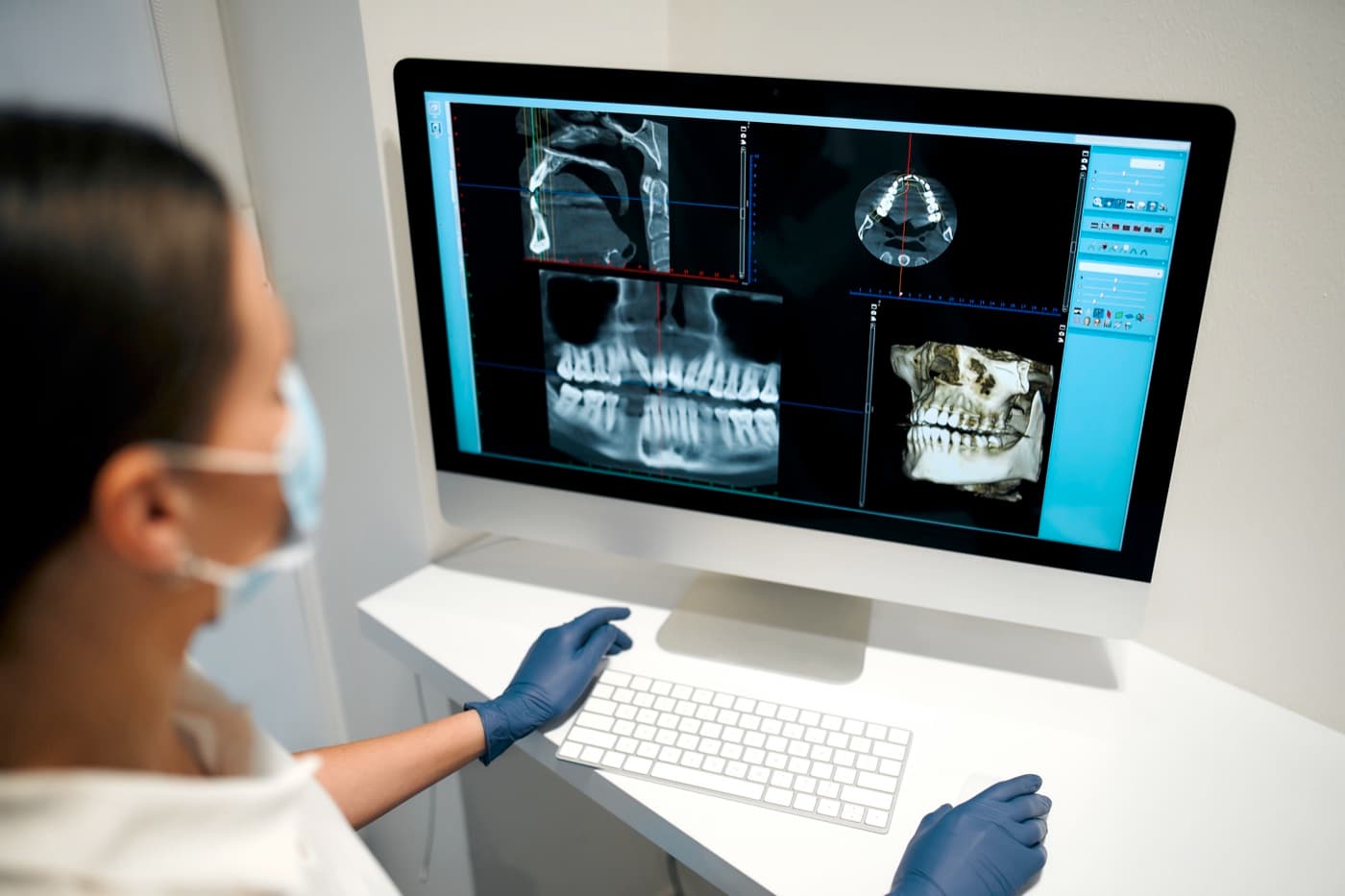
Evaluation & imaging
Your surgeon confirms the tooth's condition and plans the approach.
Comfort plan
Your anesthesia option is selected with you and administered on the day.
Removal
The tooth is removed with a controlled technique suited to its position.
Site care
The site is cleaned and dressed; socket preservation is placed if planned.
Home with instructions
Written aftercare, supplies, and a direct line for questions.



A controlled procedure, a clear path forward.
When a tooth cannot be saved — or removing it protects the rest of your mouth — the goal is a controlled, comfortable procedure and a clear path for what comes next, including whether you plan to replace the tooth.
Comfort planning is part of the conversation either way, from local anesthesia to sedation options, decided with you before the visit.
Thinking ahead
Socket preservation: protecting your options
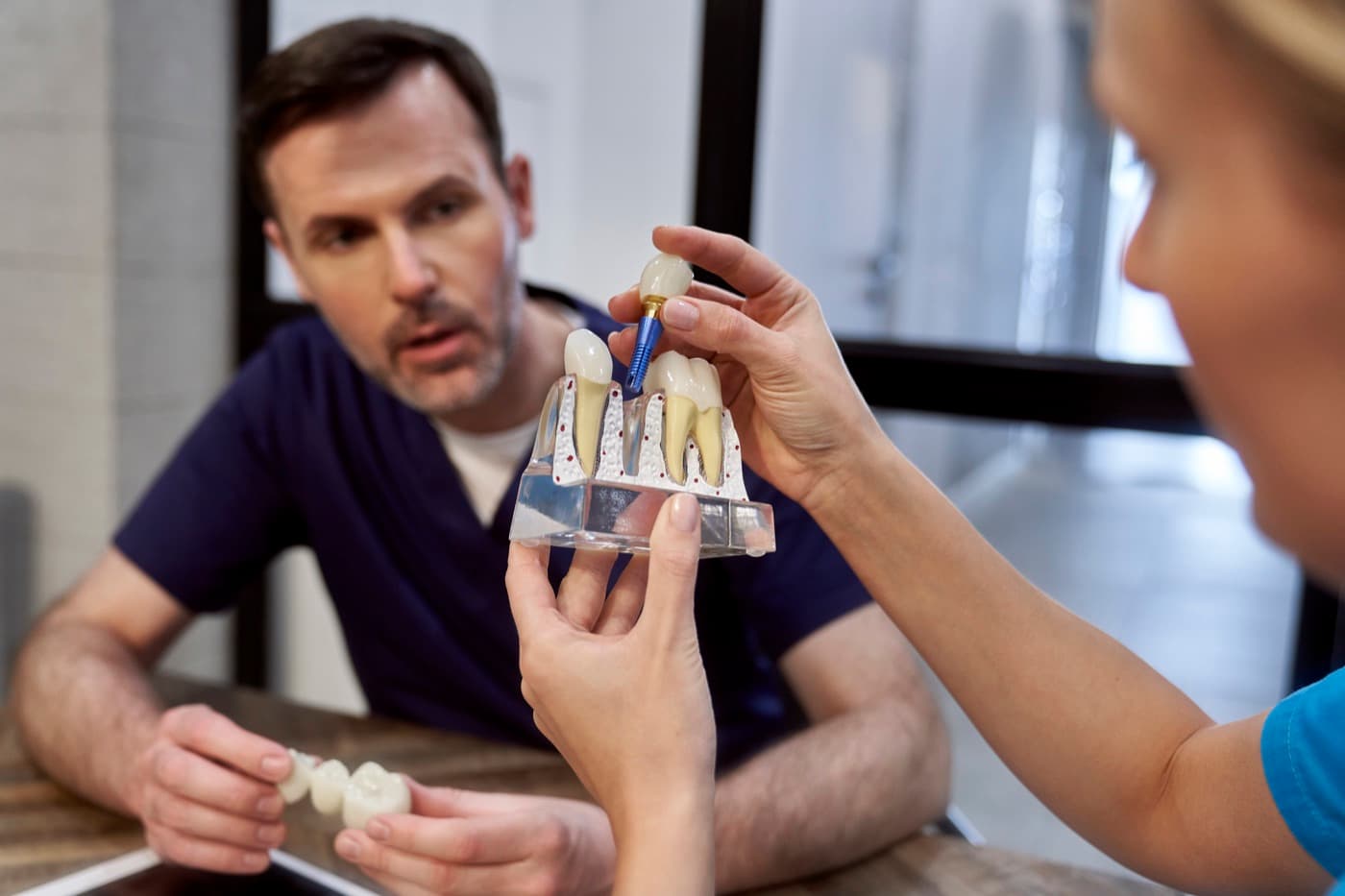
After a tooth is removed, the bone that held it naturally changes shape over time. If you may want a dental implant later, that change matters — an implant needs adequate bone to succeed.
Socket preservation is a small grafting step performed at the time of extraction: the empty socket is filled with grafting material to help maintain bone volume while the site heals. It keeps the implant option open without committing you to it. Your surgeon will tell you whether it makes sense for your tooth and your plans.
Learn about bone graftingAfterward
Recovery and aftercare
Expect some swelling and soreness while the site heals; how long that lasts varies by patient and by how involved the extraction was. Protecting the blood clot in the socket during early healing is the single most important thing you can do — your written instructions explain exactly how.
The complete guidance — diet, activity, what is normal, and the warning signs that deserve a call — is in the dedicated aftercare page:
Extraction aftercare instructionsRelated care
Services that often follow an extraction


Need a tooth evaluated?
Whether your dentist referred you or you found us directly, the consultation gives you a clear answer and a plan.