

Comfort is part of the plan — not an afterthought
If the anesthesia question is the one keeping you up at night, you are in good company: it is the most common worry we hear. Here is how comfort options work, how your plan is chosen, and what the day actually feels like.
The options
Levels of comfort, in plain terms
Anesthesia is a spectrum, not a single choice. Which options are available for your procedure will be confirmed at your consultation.
Local anesthesia
The treatment area is fully numbed while you remain awake and aware. You feel pressure and movement but not pain. Suitable for many procedures on its own, and part of every anesthesia plan.
Sedation options
Medication that relaxes you during the procedure. Depth varies from light relaxation to a state where you doze and remember little. Sedation is combined with local anesthesia and involves preparation rules and an escort home.
Deeper anesthesia
For some procedures and patients, a deeper level — where you are not aware during surgery — may be appropriate. Whether this is offered for your procedure, and where, is confirmed at consultation.
How we choose
How your plan is selected
Your comfort plan is a clinical decision made with you — never a default.
- The procedure: its length and complexity
- Your health history and current medications
- Your anxiety level and past experiences with dental care
- Airway and anesthesia-specific evaluation findings
- Practical factors: escort availability, work and school plans
- Your preference — after you understand the trade-offs
Nervous patients: say so. Anxiety is a legitimate planning factor, and telling us changes the plan for the better — it is never treated as an inconvenience.
Training and safety
Credentials and monitoring
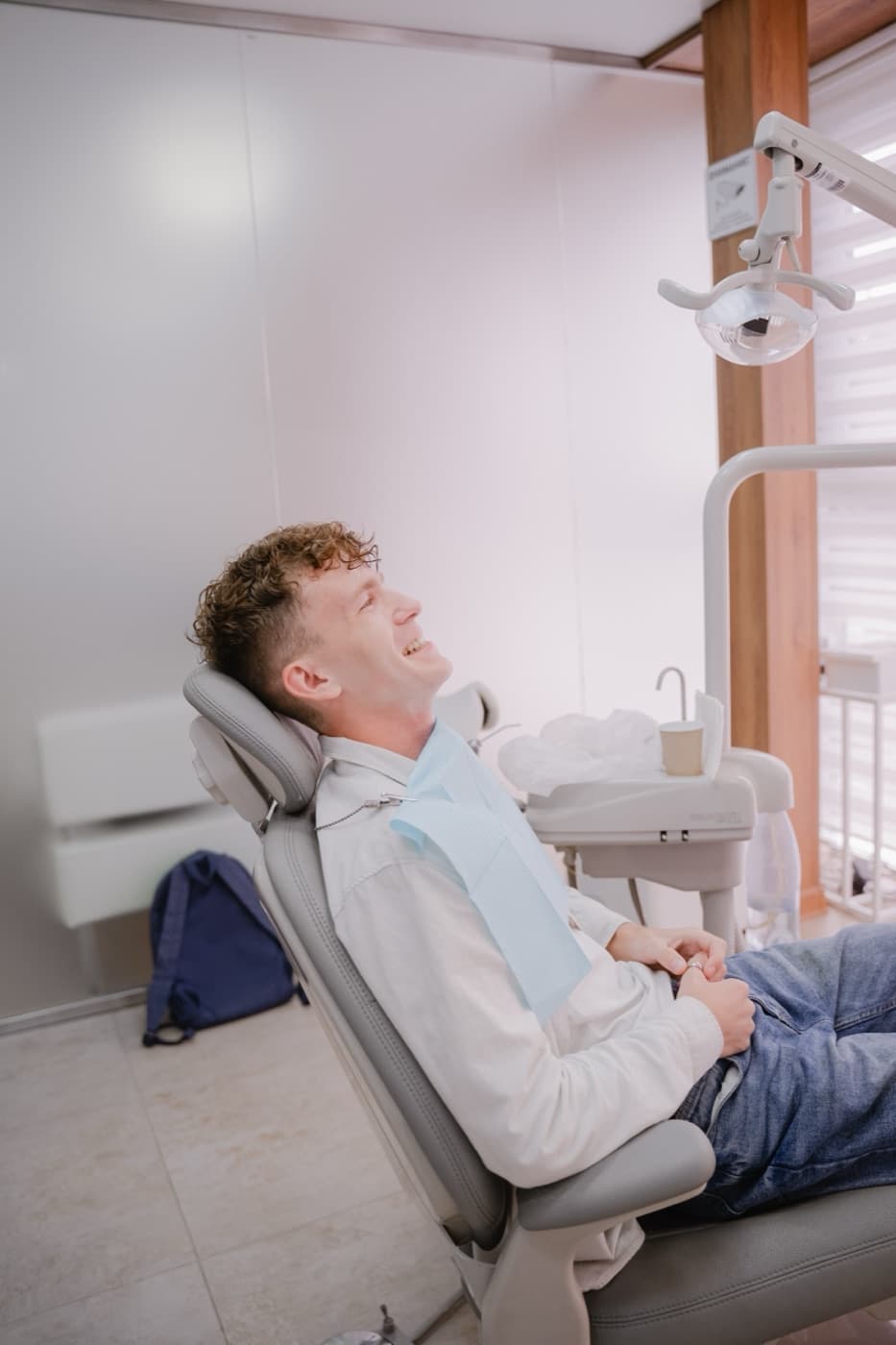

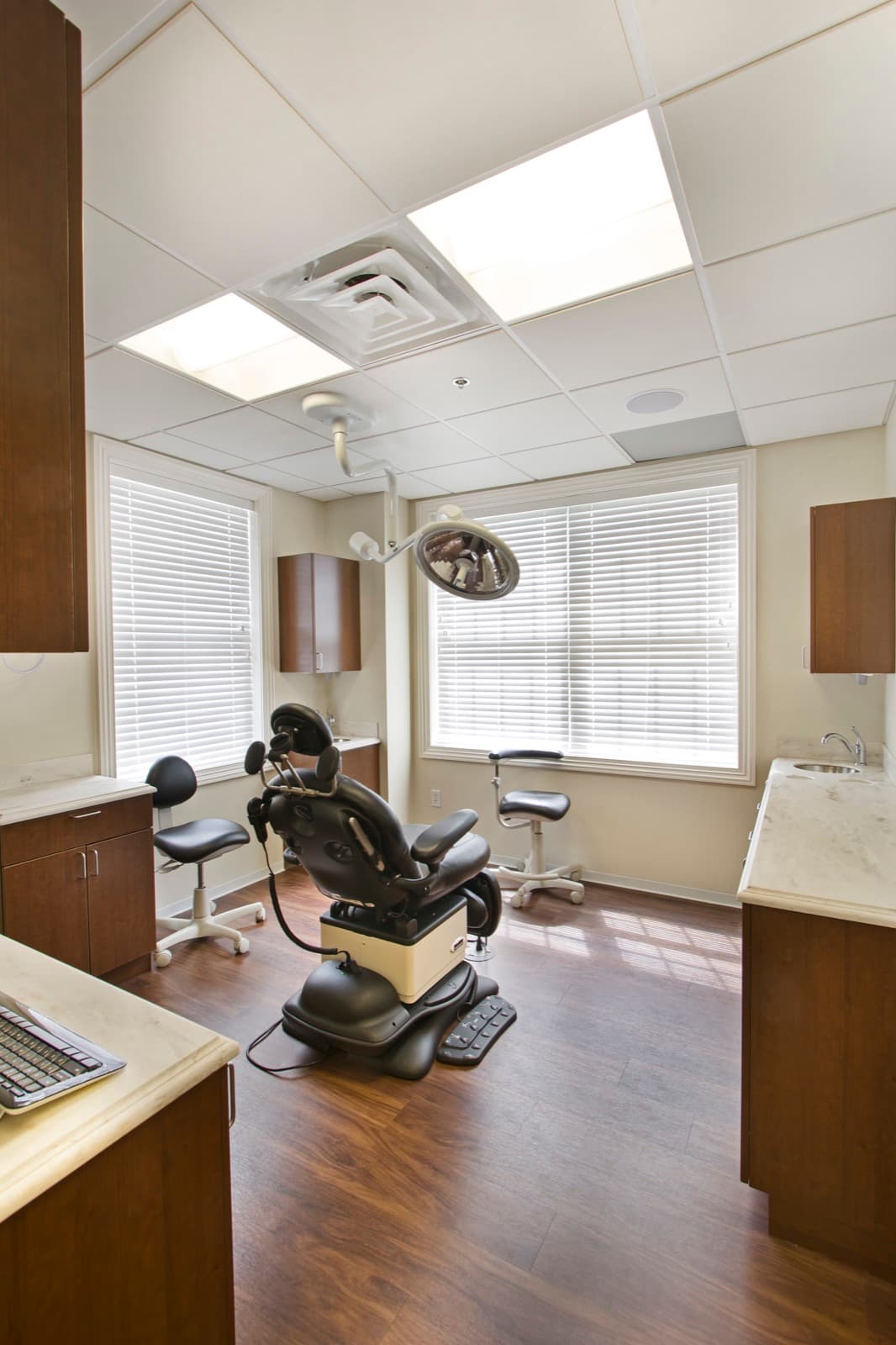
Comfort planned with you, never a default.
The anesthesia question is the most common worry we hear — which is why comfort is part of the plan, not an afterthought. Your comfort plan is a clinical decision made with you, never a default.
Nervous patients: say so. Anxiety is a legitimate planning factor, and telling us changes the plan for the better — it is never treated as an inconvenience.
Preparing for anesthesia
Sedation and deeper anesthesia come with preparation rules — fasting, medication adjustments, clothing, and escort arrangements. Your written pre-op instructions are specific to your plan and always take priority.
The day of your procedure
From arrival through discharge, the visit follows a consistent rhythm: check-in, confirmation of your preparation, the comfort plan, recovery under observation, and going home with your escort where required.
Escort and driving requirements vary by anesthesia option — for sedation and deeper levels, a responsible adult must drive you home and stay with you. The requirement for your plan is confirmed in your pre-op instructions.
Common questions
Anesthesia FAQs
Will I feel anything during surgery?
I'm terrified of dental work. What should I do?
How will I feel afterward?
Questions about your anesthesia plan before your visit — or an urgent concern after a procedure? Call us at 908-520-2694. For emergency red-flag symptoms, see emergency guidance.
Related care
Procedures your comfort plan supports




Talk through your comfort options
Your consultation covers the choices available for your procedure — and builds a plan around how you actually feel about surgery.