
How Imaging Supports Safer Anesthesia and Comfort Planning
5 minute read
DRAFT — pending clinical review v1.0-draft Clinical reviewer (to be assigned)
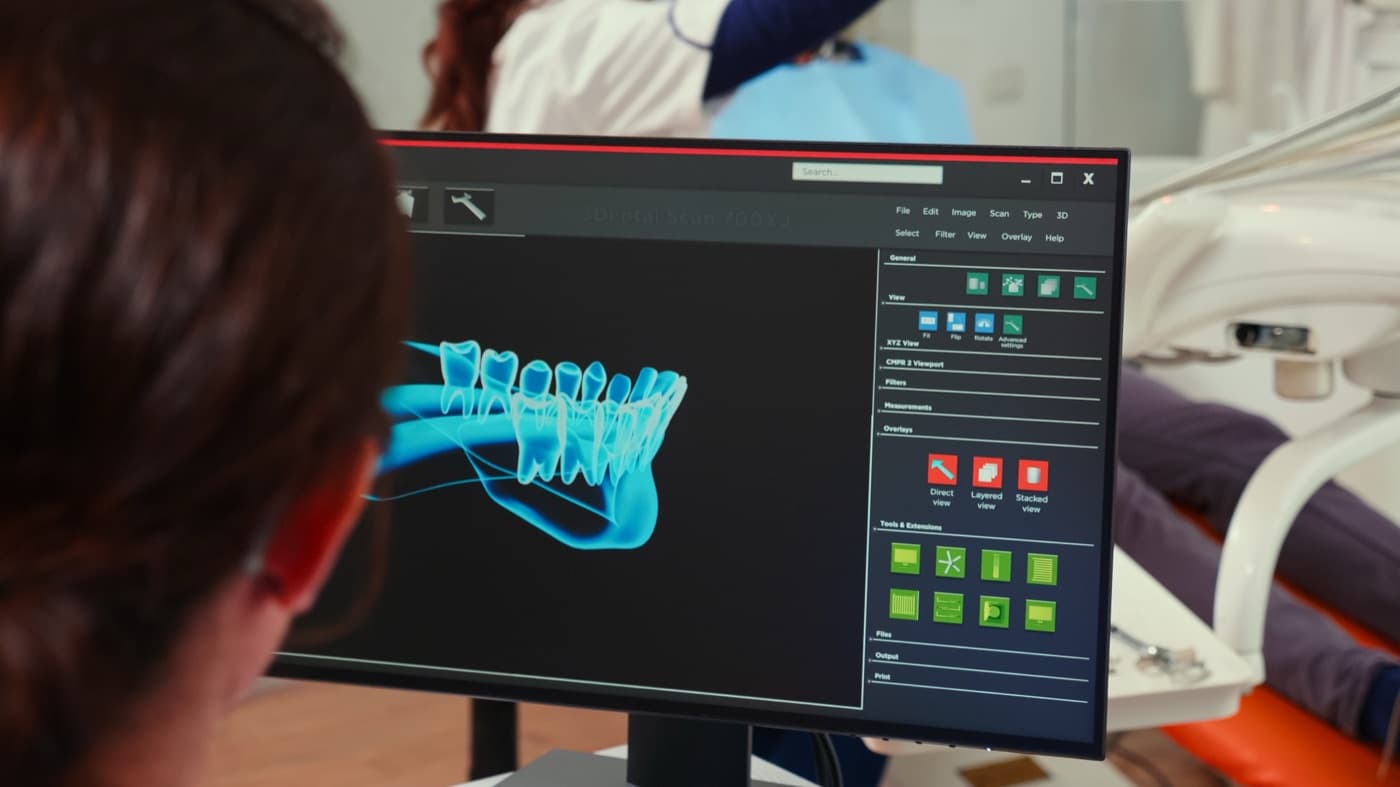
Imaging doesn't just guide the surgery itself. What a surgeon sees on your scans also informs how anesthesia is planned and how your comfort is managed.
Two plans, made together
Every surgical visit really involves two plans: the plan for the procedure and the plan for your comfort and safety while it happens. Patients tend to think of imaging as belonging only to the first — a map for the surgery itself. In practice, what a surgeon learns from imaging also shapes the second.
How involved is this procedure likely to be? How complex is the anatomy? What could make the work more demanding than it appears from the outside? The answers influence which level of anesthesia is appropriate, how the visit is scheduled, and what the team prepares for before you arrive.
Oral surgeons are distinctive in managing both plans at once: the same specialist who studies your images also leads the anesthesia conversation. That overlap is useful, because the person deciding how to keep you comfortable is the same person who best understands what the procedure will actually involve.
Complexity seen in advance changes the anesthesia conversation
Imagine two patients who each need a tooth removed. On imaging, one tooth has straightforward roots and clear access; the other is deeply impacted with curved roots near a nerve canal. The procedures may sound identical when described in a sentence, but they are very different experiences — and the anesthesia discussion for each should reflect that.
When imaging reveals complexity ahead of time, the surgeon can talk with you honestly about what the procedure involves and which options — local anesthesia alone, or local anesthesia combined with a form of sedation — fit both the clinical picture and your own preferences. Surprises that once emerged mid-procedure can instead be planned for in a calm conversation beforehand.
Local anesthesia benefits from an accurate map
Effective local anesthesia depends on placing medication near the nerves that supply the surgical site, and those nerves follow paths that vary from person to person. Imaging that shows the position of nerve canals helps the surgeon understand your individual anatomy rather than relying on averages.
That awareness also supports protecting nerves during the procedure itself. Knowing precisely where a nerve travels — information a flat image sometimes cannot fully provide — is part of how surgeons plan an approach that respects it.
For patients, the practical effect is straightforward: a well-mapped procedure supports comfort care that is planned for your anatomy rather than adjusted on the fly, and a surgical team that begins the visit already knowing what to expect.
Imaging is one input among many
Anesthesia planning draws on far more than images. Your medical history, current medications, allergies, prior experiences with anesthesia, and your own comfort preferences all carry significant weight — often more than anything on a screen. Imaging contributes the surgical-complexity piece of the puzzle; your health history contributes the rest.
As with all imaging in oral surgery, scans used in this planning are prescribed when clinically indicated, not taken by routine. The purpose is always a specific answer that improves the plan — whether that answer concerns the surgery, the anesthesia, or both. When existing images already answer the question, they are simply reused.
Questions worth asking at your consultation
If anesthesia is on your mind, bring it up early in the consultation rather than saving it for the end. Reasonable questions include: What does my imaging suggest about the complexity of this procedure? What anesthesia options fit my case? What would make you recommend one option over another for someone in my situation?
This article is educational and does not recommend any anesthesia approach. The right plan for you comes from a consultation that weighs your anatomy, your health history, and your preferences together.
Common questions
Does needing a 3D scan mean I'll need deeper sedation?
Who decides which anesthesia option I receive?
What should I bring to help with anesthesia planning?
This article is general education, not personal medical advice. It cannot account for your health history or imaging, and it never replaces the evaluation and written instructions you receive from your surgeon.
Ready to talk through your plan?
Request a consultation and our team will follow up to schedule your visit.