
How Surgeons Plan Your Procedure Digitally — Before You're in the Chair
5 minute read
DRAFT — pending clinical review v1.0-draft Clinical reviewer (to be assigned)
Much of modern oral surgery happens on a screen before it happens in an operatory. A look at how digital planning shapes the procedure you experience.
Surgery that starts on a screen
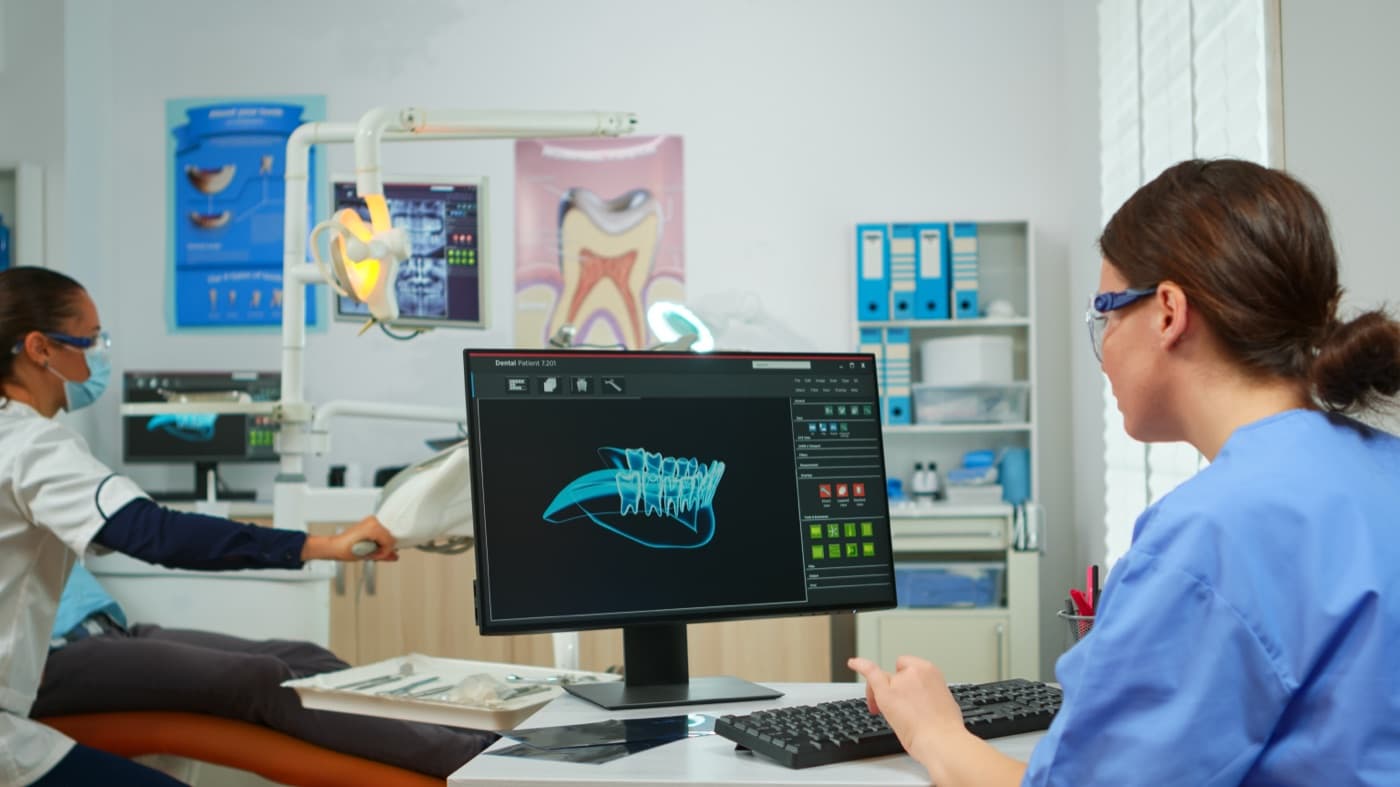
When patients picture oral surgery, they picture the operatory: the chair, the lighting, the instruments. What they rarely picture is the quiet work that often happens earlier — a surgeon at a workstation, studying images of their jaw, measuring, rotating, and rehearsing the procedure digitally before any appointment for treatment is made.
This planning stage is where many of the most important decisions are made. The approach to a difficult tooth, the position of a planned implant, the way a surgeon will protect a nearby nerve — these choices are often settled in advance, so that the day of surgery is about execution rather than discovery.
Building a virtual model of your anatomy
When imaging has been prescribed for your case, the resulting data can be loaded into planning software that reconstructs your jaw as a virtual model. The surgeon can view the bone from any angle, trace the path of nerve canals, evaluate the sinuses, and examine the exact position and orientation of teeth and roots.
For implant care, digital impressions of your teeth can sometimes be combined with this model, so the surgeon plans not just where an implant can go in the bone, but where it should go to support the tooth your restorative dentist intends to build. The surgical plan and the final result are designed together rather than in sequence.
None of this planning requires anything extra from you. It happens between your consultation and your procedure, using records and images already gathered — and if new questions arise during planning, your surgeon will contact you rather than leave them unresolved.
Rehearsing decisions in advance
Inside the software, a surgeon can test alternatives without consequence. What if the implant were angled slightly differently? What if this tooth were removed in sections rather than whole? Which approach keeps the most distance from the structures that matter?
Working through those questions in advance narrows the range of surprises on the day of surgery. It also gives the surgeon a clear mental map to work from, which supports a more deliberate, efficient procedure.
Planning also improves coordination within the surgical team. When everyone in the room knows the intended approach before the procedure begins, instruments can be prepared, contingencies anticipated, and the visit organized around the plan rather than improvised. Patients rarely see this preparation directly, but it is one of the quiet ways planning shapes the experience of a smooth appointment.
From digital plan to surgical guide
In some cases, the digital plan becomes a physical tool. A surgical guide — a custom-made template that fits over your teeth or gums — can be fabricated from the plan to help translate on-screen positions into the mouth with precision. Guides are most familiar in implant surgery, where the planned angle and position of an implant can be carried into the procedure itself.
Not every procedure needs a guide, and not every case benefits from one. Like imaging itself, guided surgery is a tool your surgeon selects when it serves the specific plan, not a default applied to everyone.
What this means for you as a patient
Digital planning does not replace surgical judgment — anatomy can still present the unexpected, and experience remains the foundation of safe care. What planning does is move as much decision-making as possible into a calm, unhurried setting before your procedure.
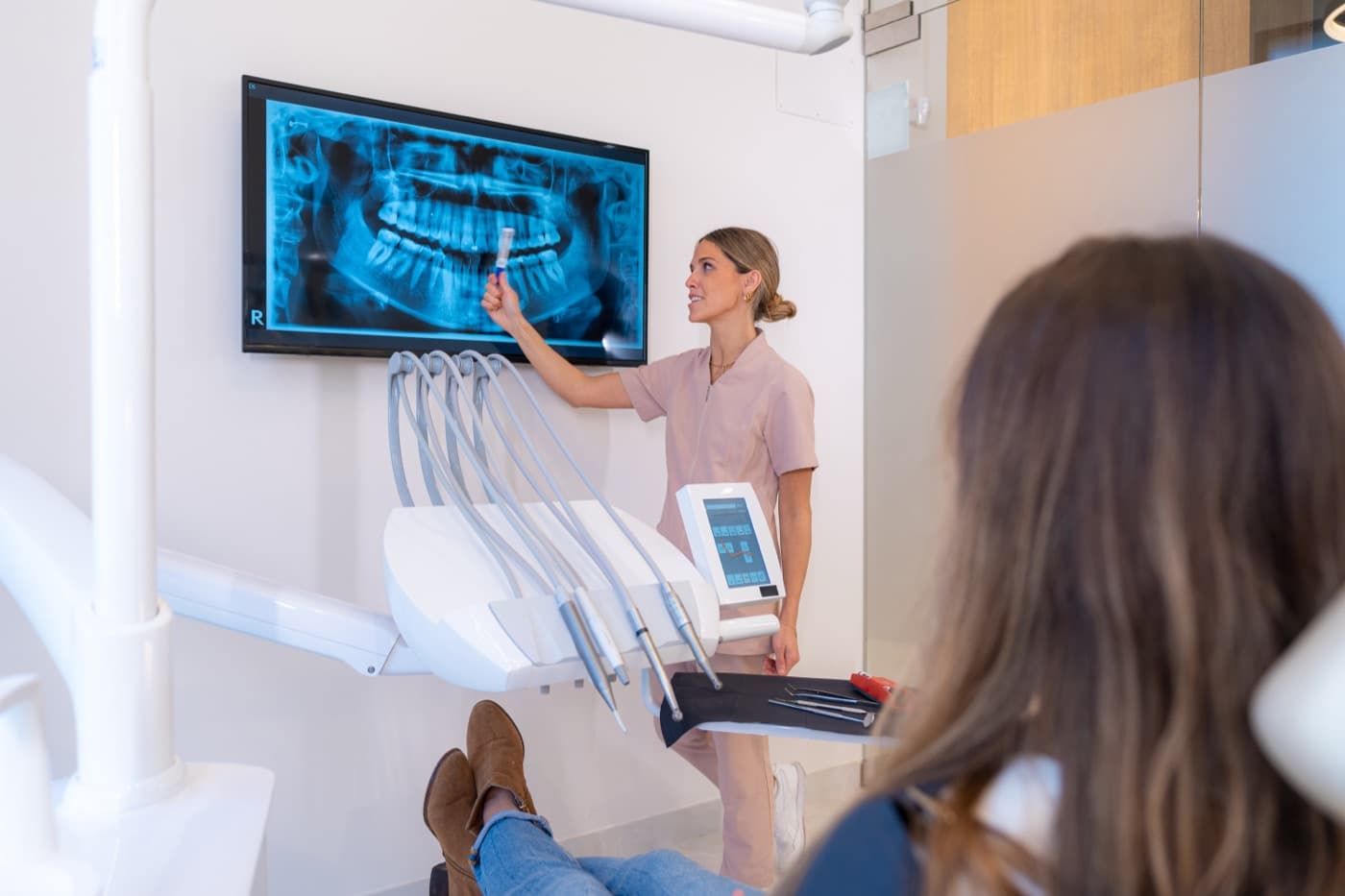
If you are curious, ask your surgeon to walk you through the plan. Many patients find that seeing their own anatomy on screen, with the plan drawn over it, makes the procedure feel far less abstract. This article is educational; your own plan will always come from an examination and consultation.
Common questions
Does digital planning mean my surgery is performed by a machine?
Can I see the digital plan for my own procedure?
Is digital planning used for every procedure?
This article is general education, not personal medical advice. It cannot account for your health history or imaging, and it never replaces the evaluation and written instructions you receive from your surgeon.
Ready to talk through your plan?
Request a consultation and our team will follow up to schedule your visit.