
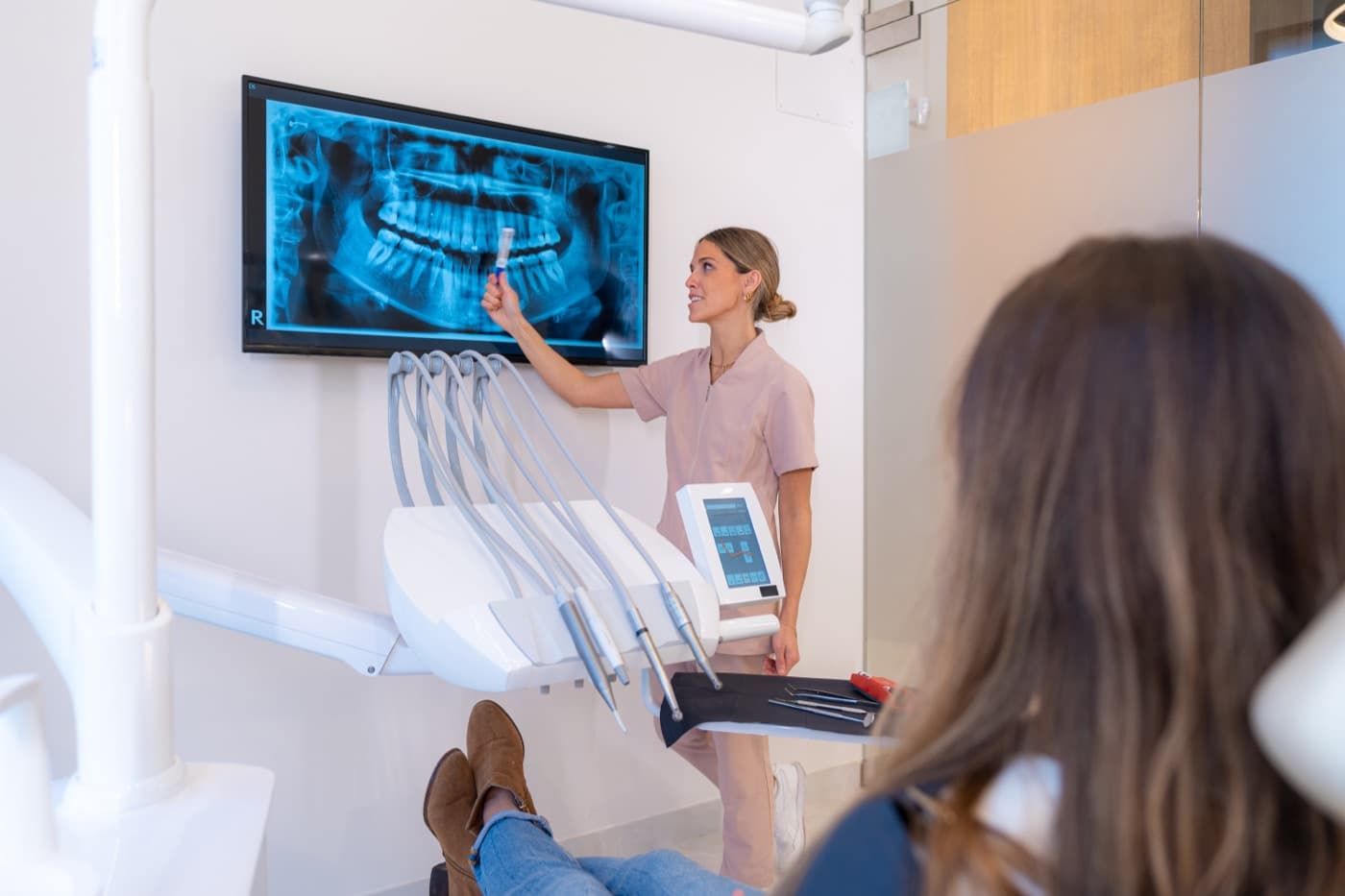
When Imaging Is — and Isn't — Recommended Before Oral Surgery
5 minute read
DRAFT — pending clinical review v1.0-draft Clinical reviewer (to be assigned)
More imaging is not automatically better care. How oral surgeons decide when a scan is clinically indicated, and when an existing image is enough.
Imaging is a prescription
It is easy to assume that every scan adds value — that a fuller picture is always a better one. In responsible surgical practice, it does not work that way. Imaging is a prescription, ordered the way any test is ordered: because a specific clinical question needs an answer, and because the answer is expected to confirm or change the plan for your care.
That standard cuts both ways. It means a surgeon will recommend imaging when your case genuinely calls for it, and it means a surgeon will decline to order images that would not change anything. Both decisions are part of good care.
Patients sometimes worry that asking about imaging will come across as difficult. It won't. Clinicians who order tests thoughtfully are comfortable explaining them, and the question itself — what will this image tell us? — is one the surgeon has already answered internally before recommending it.
When imaging is typically indicated
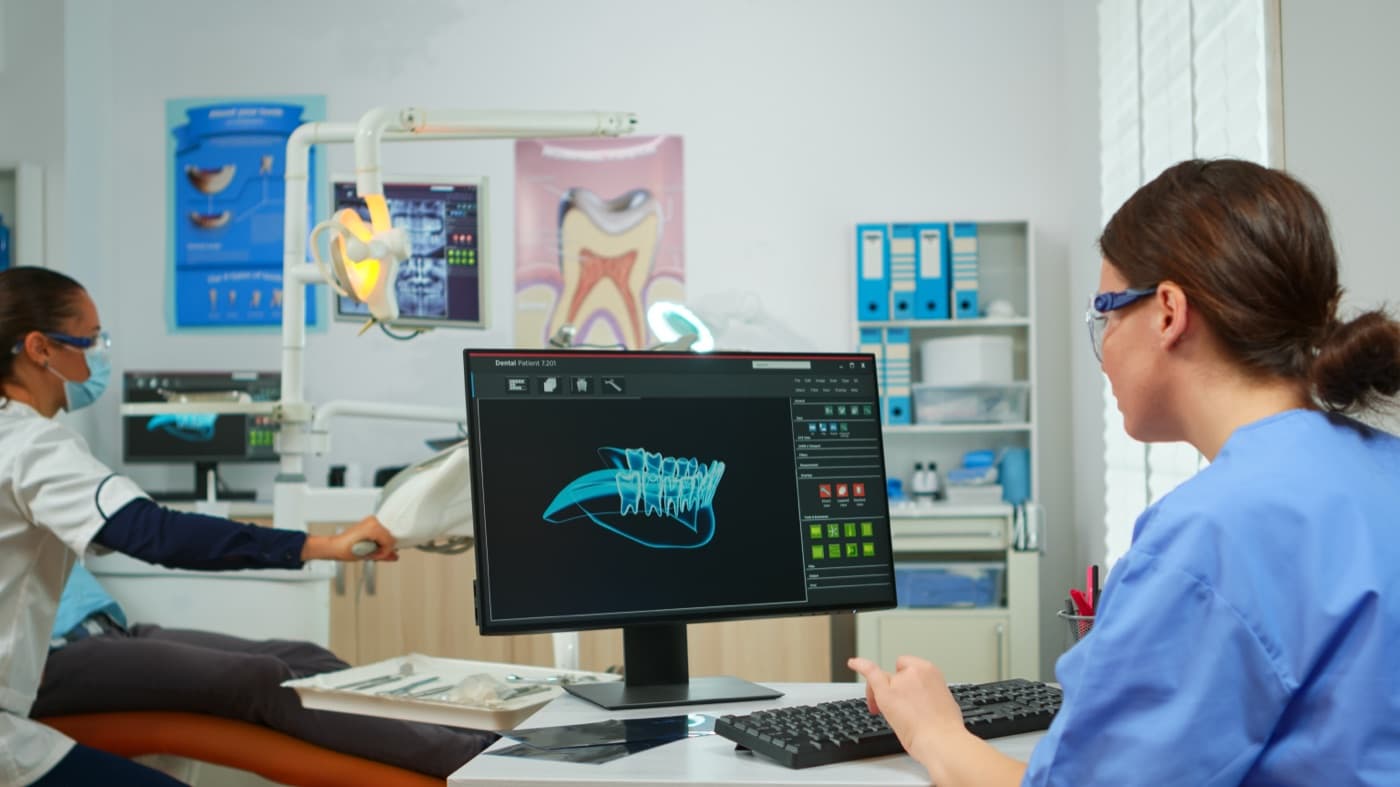
Imaging earns its place when anatomy is uncertain and the uncertainty matters. Evaluating an impacted tooth's relationship to a nerve, mapping bone for a planned implant, defining the extent of a cyst or lesion, assessing trauma, or investigating unexplained pain or swelling — these are situations where an image answers a question an examination alone cannot.
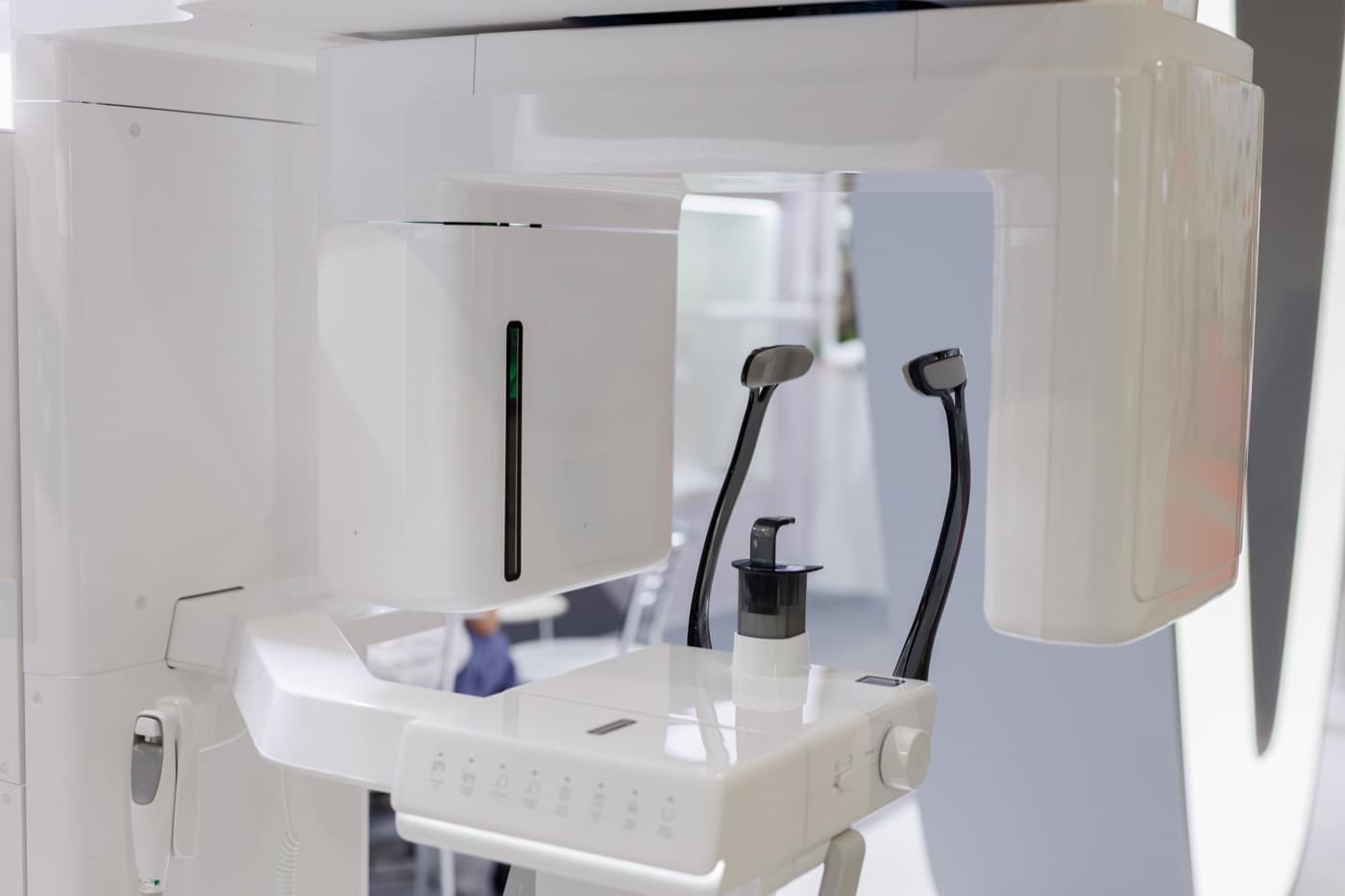
The type of image is matched to the question. A focused question about one tooth may need only a small intraoral film. A survey of the whole jaw calls for a panoramic view. A question about depth, nerve position, or bone volume may justify a three-dimensional scan. The narrowest image that answers the question is generally the right choice.
When imaging can reasonably be skipped or reused
If you arrive with recent images that still reflect your current condition, your surgeon will often work from those rather than taking new ones. Records can be transferred between dental and surgical offices, and asking your referring dentist to send imaging ahead of your consultation is one of the most useful things you can do before a visit.
New imaging may also be unnecessary when the clinical picture is already clear — when the examination, your history, and existing records together answer the question at hand. A scan that would not change the diagnosis or the plan is a scan you do not need.
Special situations deserve a conversation
Some circumstances call for extra discussion before any imaging is taken. If you are pregnant or think you might be, tell your surgical team — they will weigh whether the image is needed now, whether it can wait, and what precautions apply. The same goes for any concern you have about imaging: raising it is always appropriate.
You are also entitled to ask, for any recommended image, what question it is meant to answer. A clear, specific answer is the mark of imaging done for your benefit rather than by routine.
Parents often have similar questions on behalf of children, and the same standard applies at every age: an image should be taken because it answers a question that matters for care. Pediatric evaluations follow the same logic of clinical indication, and your surgical team can explain the reasoning behind any image they recommend for your child.
The bottom line
The goal of imaging is a safer, better-planned procedure — nothing more, nothing less. When a scan serves that goal, your surgeon will recommend it and explain why; when it does not, the honest recommendation is to skip it.
This article is educational and cannot determine what imaging is right for you. That decision belongs in a consultation, where your history, examination, and existing records can all be weighed together.
Common questions
Can I decline imaging my surgeon recommends?
How do I get my existing X-rays sent to the surgeon?
Should I mention pregnancy before imaging?
This article is general education, not personal medical advice. It cannot account for your health history or imaging, and it never replaces the evaluation and written instructions you receive from your surgeon.

Ready to talk through your plan?
Request a consultation and our team will follow up to schedule your visit.