

Wisdom tooth removal, without the guesswork
Whether you are the patient or the parent, you want the same things: an honest recommendation, a comfortable experience, and a clear plan for recovery. Here is how wisdom-tooth care works at Warren Oral Surgery.
The basics
What wisdom teeth are — and why evaluation may be recommended
Wisdom teeth (third molars) are the last teeth to develop, usually arriving in the late teens or early adulthood. For some people they come in normally and never cause trouble. For many others, there is not enough room — the teeth become impacted (stuck against bone or neighboring teeth), come in at an angle, or only partially break through the gum.
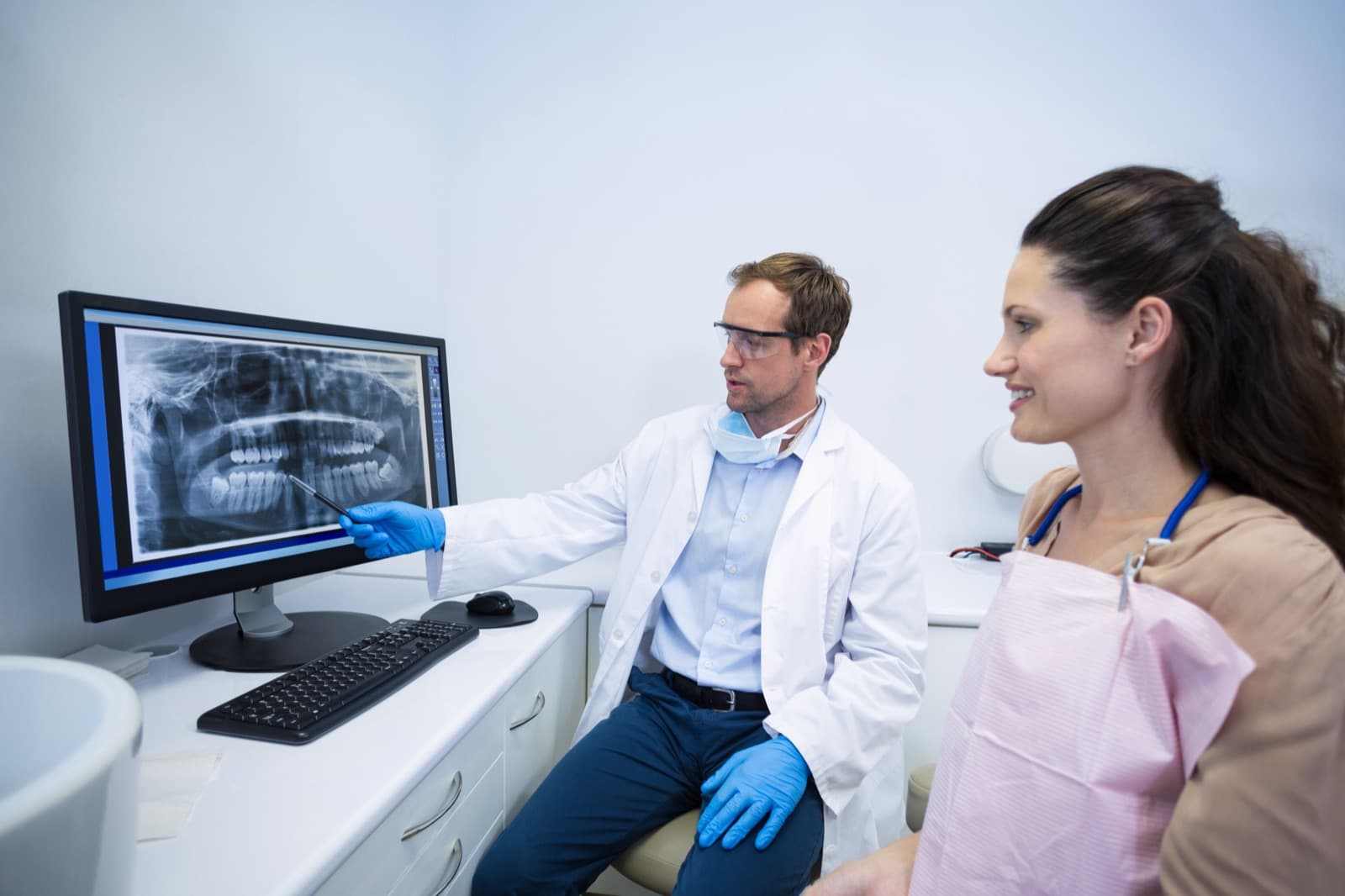
Your dentist may recommend an evaluation if imaging shows crowding or impaction, if symptoms have started, or simply to assess how the teeth are developing before problems arise. An evaluation is not a commitment to surgery — it is how you get a recommendation based on your mouth, not on averages.
When to pay attention
Signs and common concerns
Wisdom teeth can cause problems quietly or loudly. These are reasons to have them looked at.
Pain or pressure
Aching at the back of the jaw, especially when chewing.
Swollen or tender gums
Inflammation around a partially erupted tooth, sometimes with bad taste or odor.
Repeated infection
Gum infections around a partly covered tooth that keep returning.
Crowding concerns
Your dentist or orthodontist notes pressure on neighboring teeth.
Cysts or changes on imaging
X-rays occasionally show changes around an impacted tooth that warrant attention.
No symptoms at all
Impacted teeth can develop problems silently — which is why imaging, not just symptoms, guides the recommendation.
Our approach
Imaging first, then a personalized recommendation
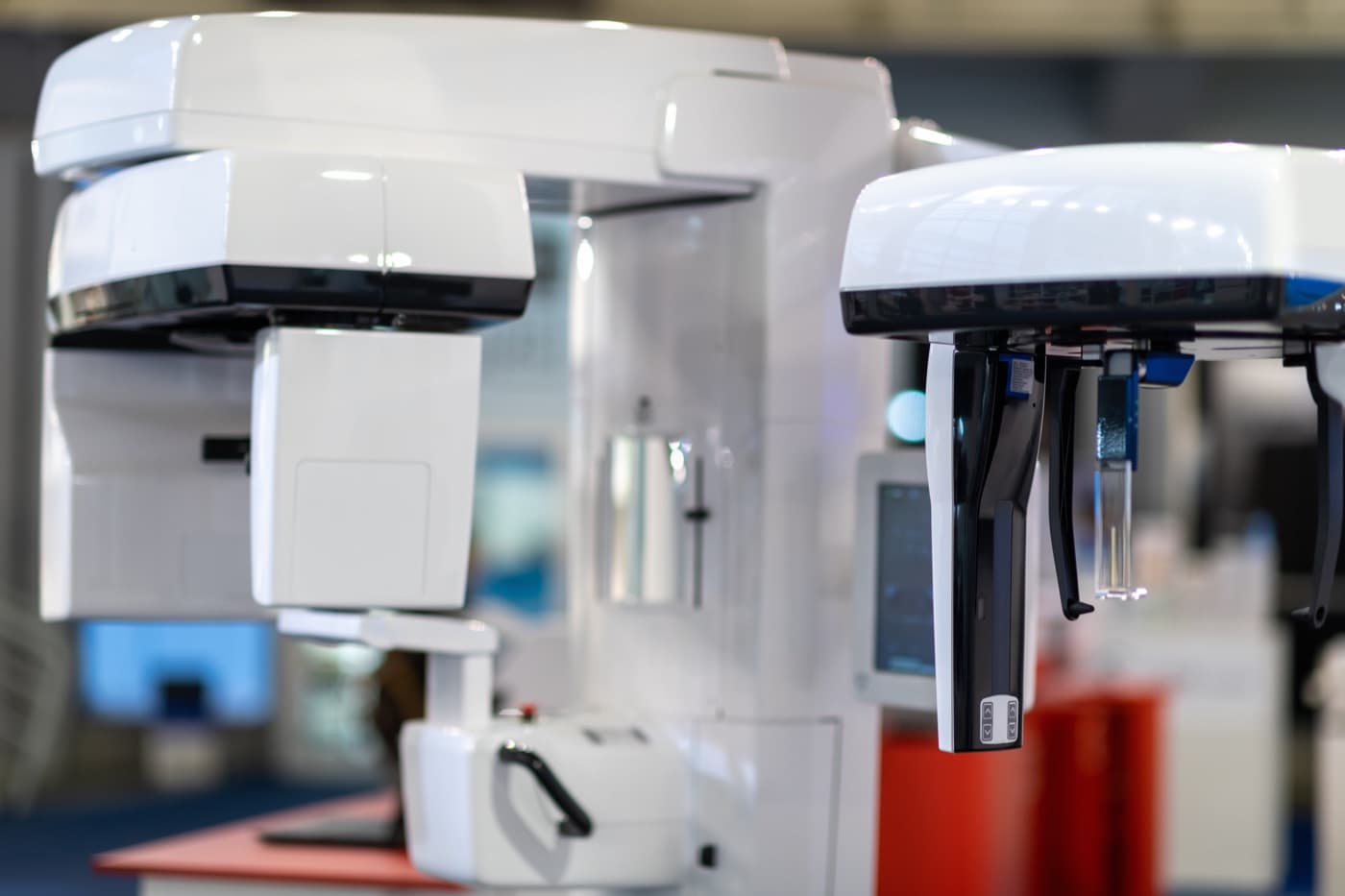
At the evaluation, your surgeon examines the area and reviews imaging that shows the position of each wisdom tooth, its roots, and nearby structures such as nerves and sinuses. When the anatomy calls for it, 3D imaging gives a fuller picture.
Then you get a straight recommendation for your situation: remove some teeth, remove all of them, or monitor and re-check. Not every wisdom tooth needs to come out — and when removal is recommended, your surgeon explains why, in plain language, along with what the procedure and recovery would involve for you specifically.
An honest recommendation, made for your mouth.
Whether you are the patient or the parent, you want the same things: an honest recommendation, a comfortable experience, and a clear plan for recovery.
Not every wisdom tooth needs to come out. Imaging — not just symptoms — guides the recommendation, and when removal is the right call, your surgeon explains why in plain language.
Comfort comes first
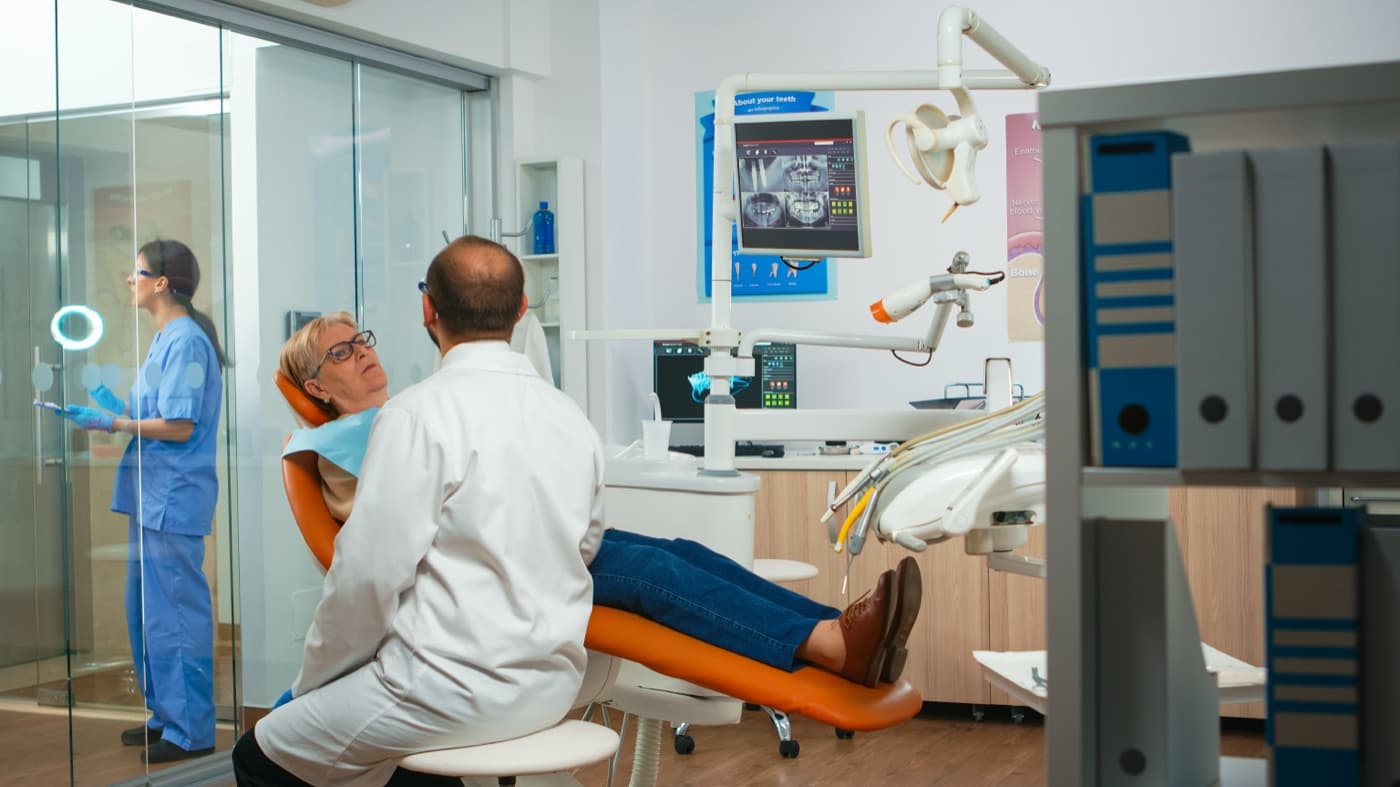
Anxiety about wisdom-tooth removal is normal, and comfort planning is built into the consultation. Options range from local anesthesia to sedation, matched to the procedure, your health history, and your preference — decided with you, in advance.
For parents
You will know the plan before surgery day: what to expect during the visit, escort and supervision requirements, what recovery at home looks like, and exactly when to call us. School and activity planning is part of the conversation, not an afterthought.
The visit
The procedure journey
Removal is a planned, structured visit — here is the shape of the day.
Check-in & preparation
We confirm your health history and your pre-op instructions were followed.
Comfort plan begins
Your chosen anesthesia option is administered and monitored.
Removal
Your surgeon removes the planned teeth; technique depends on each tooth's position.
Recovery on site
You rest under observation until you are ready to go home with your escort.
Home with a plan
Written aftercare instructions, gauze and supplies, and a direct line for questions.
Comfort
Will I be awake for this?
It is the question we are asked most about wisdom teeth, and it is decided with you — not assigned to you.
Comfort is planned at the same consultation as the surgery itself, because the two decisions depend on each other: how the teeth are positioned, what your health history allows, and what you want to remember of the visit.
Your surgeon will talk through which options are appropriate for your procedure, and what each one asks of you beforehand and afterward — including whether you will need someone to bring you home. Those specifics come from your own plan and your written pre-operative instructions rather than from a general rule.
If you want to understand the options before your visit, the anesthesia page covers them in full.
Afterward
Recovery, briefly
Expect swelling, soreness, and a modified diet for a period that varies by person and by how the teeth were positioned. Most patients settle into normal routines gradually over the days after surgery — your surgeon will give you a personal expectation rather than a universal number.
The details that matter — protecting the healing sites, what to eat, what is normal, and the warning signs that deserve a call — live in the dedicated instructions:
Wisdom-teeth aftercare instructionsPlan the practical side
Quick answers
Three questions we hear every week
Do wisdom teeth always need to come out?
When is the right time for an evaluation?
Will I be asleep for the procedure?
Related care
Services that often connect to wisdom-teeth care


Watch
Wisdom teeth removal, explained
A short video overview of why wisdom teeth are removed and what the procedure involves.
Wisdom tooth removal is performed at the practice’s Warren office, serving Watchung, Bridgewater, Basking Ridge and the surrounding Somerset County communities.
Further reading
Patient education written for this practice on the questions that come up before and after this procedure.

Wisdom Teeth
What Actually Happens During a Wisdom Tooth Evaluation?
A wisdom tooth evaluation is a conversation and an exam, not a commitment to surgery. Here is what the visit covers and the questions worth bringing.
5 min read

Wisdom Teeth
How Do I Know If My Wisdom Teeth Need to Be Checked?
Pressure in the back of the jaw, gum tenderness, a bad taste — some wisdom tooth signals are easy to dismiss. Here is what deserves a professional look.
5 min read

Wisdom Teeth
My Teen Was Referred for a Wisdom Tooth Consult — What Should I Expect?
A referral for your teenager can raise more questions than answers. Here is how the consultation works, what is decided there, and how to prepare together.
6 min read
Wisdom Teeth
What Does It Mean That My Wisdom Tooth Is Impacted?
Impacted simply means a tooth cannot fully erupt into place. Here is what causes it, the forms it takes, and why position matters more than the label.
5 min read

Wisdom Teeth
How Do I Plan Wisdom Tooth Removal Around School or Work?
Scheduling surgery around real life takes a few honest questions about your calendar, your support, and your recovery plan. Here is how to think it through.
5 min read
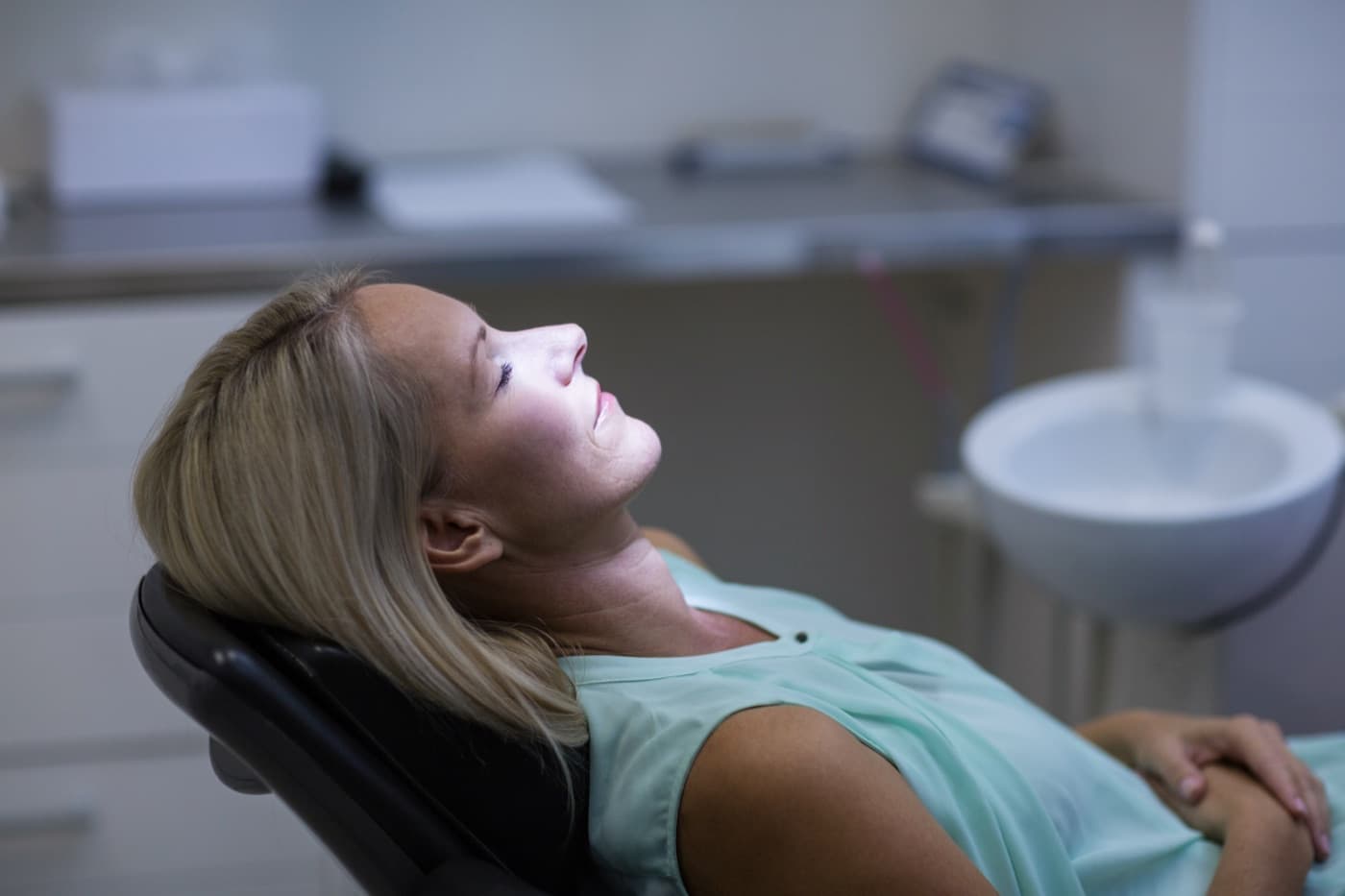
Wisdom Teeth
What Will the Day of My Wisdom Tooth Surgery Actually Be Like?
From check-in to the ride home, here is a calm walk-through of a typical wisdom tooth surgery day — and what your job is at each step.
6 min read
Start with an evaluation
One visit, honest imaging, and a recommendation made for your mouth — not for the average patient.