

Wisdom teeth FAQs
Straight answers for patients and parents. For anything specific to your teeth, the evaluation is the real answer — but these cover the ground most families ask about.

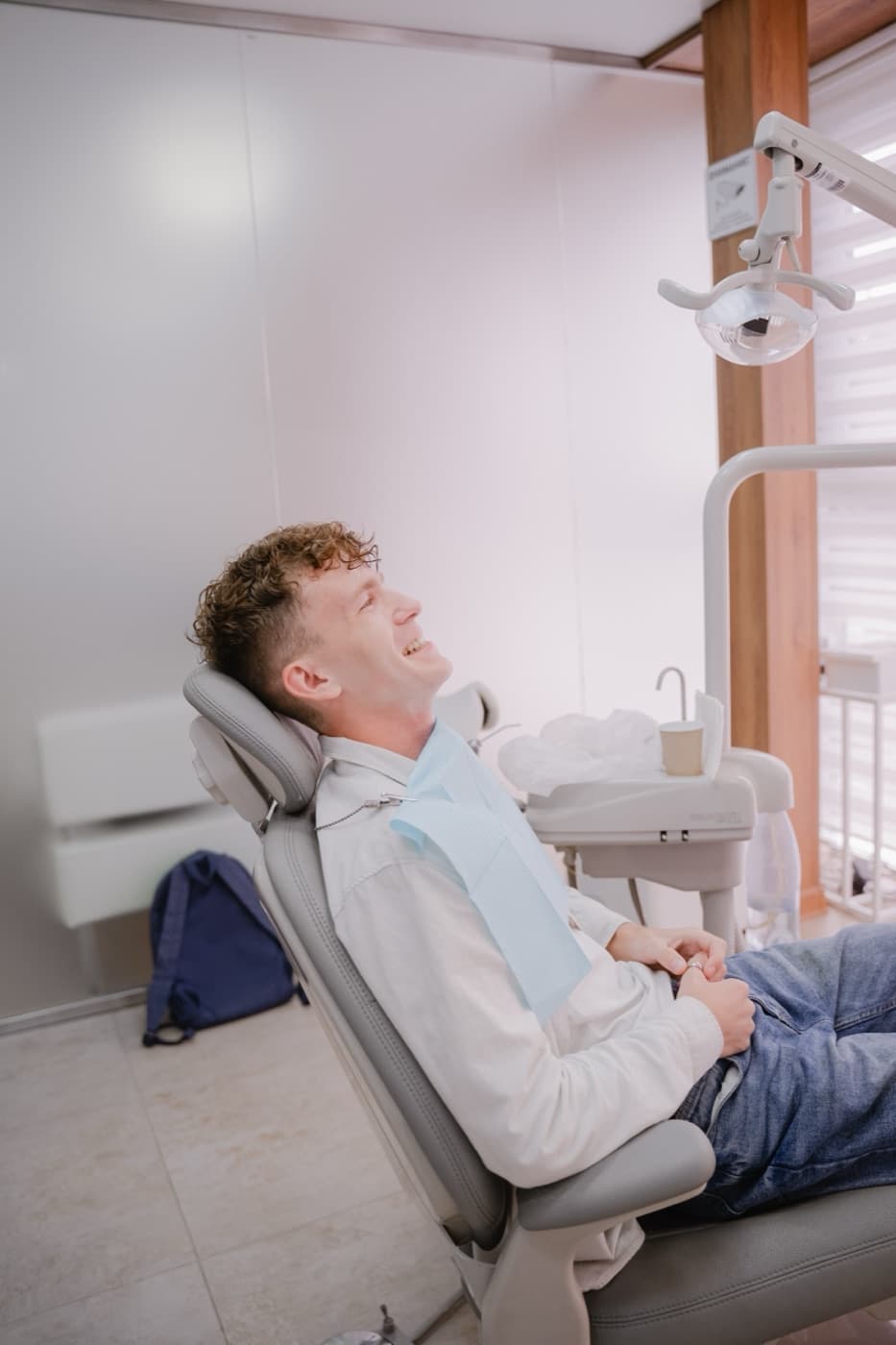

Straight answers for patients and parents.
These answers cover the ground most families ask about — timing, anesthesia, recovery, and what to expect after surgery.
For anything specific to your teeth, the evaluation is the real answer: an exam, honest imaging, and a recommendation made for your mouth.
Frequently asked questions
At what age should wisdom teeth be evaluated?
There is no universal age rule, and we will not invent one. Dentists typically raise the question when routine X-rays show the teeth developing in a concerning position, or when symptoms appear. Your dentist and surgeon will advise on timing based on your imaging and development — not a number.
Do all four have to come out at once?
Not necessarily. Removing all planned teeth in one visit means one anesthesia experience and one recovery, which many patients prefer. But the recommendation is made tooth by tooth — if some teeth are healthy and well-positioned, your surgeon will say so.
What are my anesthesia options?
Options range from local anesthesia to sedation. Which options are available for your procedure — and what each requires in preparation and escort arrangements — is confirmed at your consultation. Read about comfort options.
How long is recovery?
It varies by person and by how the teeth were positioned — a straightforward erupted tooth and a deeply impacted one heal differently. Expect swelling, soreness, and a soft diet at first, easing gradually. Your surgeon gives you a personal expectation, and your written instructions cover each stage.
What is dry socket, and how do I avoid it?
After an extraction, a blood clot protects the healing site. If the clot is dislodged too early, the exposed site can become quite painful — that is “dry socket.” Your aftercare instructions are built to protect the clot: avoiding straws, smoking, vigorous rinsing, and certain foods early on. If pain increases days after surgery instead of easing, call us.
Does my teen need an escort? Can they be alone afterward?
If sedation is part of the plan, yes — a responsible adult must accompany the patient, drive them home, and stay with them while the effects wear off. The specifics for your chosen anesthesia option are confirmed in your pre-op instructions.
What can they eat afterward?
Soft, cool foods at first — think yogurt, smoothies without a straw, mashed foods — advancing gradually as comfort allows. The written instructions list what to avoid and why. Stock the kitchen before surgery day; future-you will be grateful.
When should we worry after surgery?
Some swelling, oozing, and soreness are expected. Call the office about bleeding that will not slow with pressure, pain that worsens after initially improving, fever, or anything that simply concerns you. For severe symptoms — difficulty breathing or swallowing, rapidly spreading swelling — call 911 or go to the emergency department. See emergency guidance.
Full recovery details live in the wisdom-teeth aftercare instructions →
Ready for a real recommendation?
An evaluation with imaging replaces internet guesswork with answers about your actual teeth.