
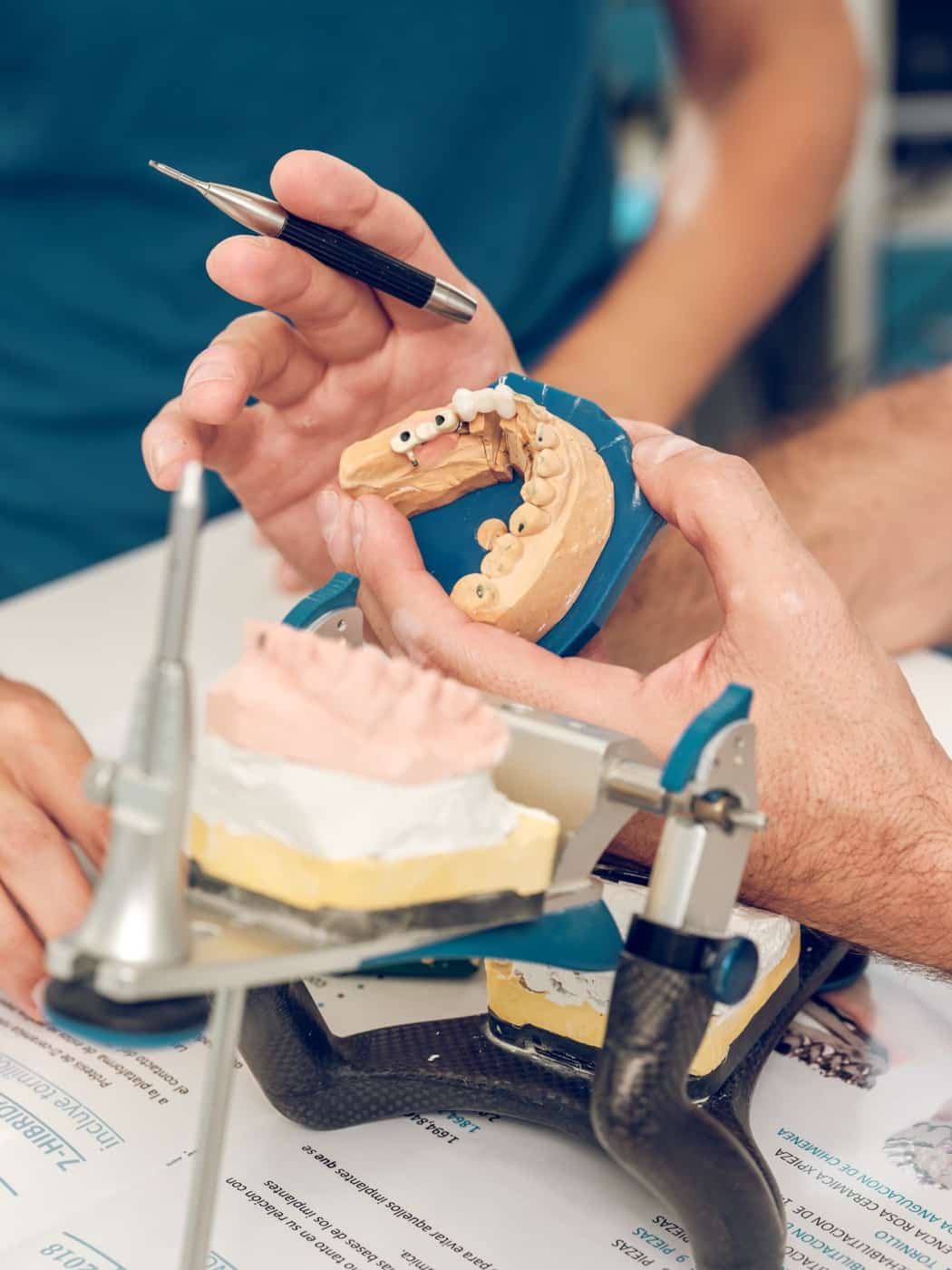
Full-arch solutions: replacing all upper or lower teeth
When most or all of the teeth in an arch are missing or failing, a set of implants can support a complete row of teeth. Here is the honest version of how that works — the terminology, the choices, and what to expect.
Starting point
What patients usually want — and what the terms mean
Most patients exploring full-arch care want three things: teeth that stay put, the ability to eat comfortably, and a natural appearance. Full-arch implant treatment is designed around those goals — a small set of implants supports an entire upper or lower row of teeth.
You may have heard marketing names like “teeth in a day” or “All-on-4.” These refer to variations of the same core idea: a full arch of teeth anchored on implants. We use plain terms — fixed (teeth that stay in) and removable (a denture that snaps onto implants) — and explain which variations your anatomy actually supports.
The core decision
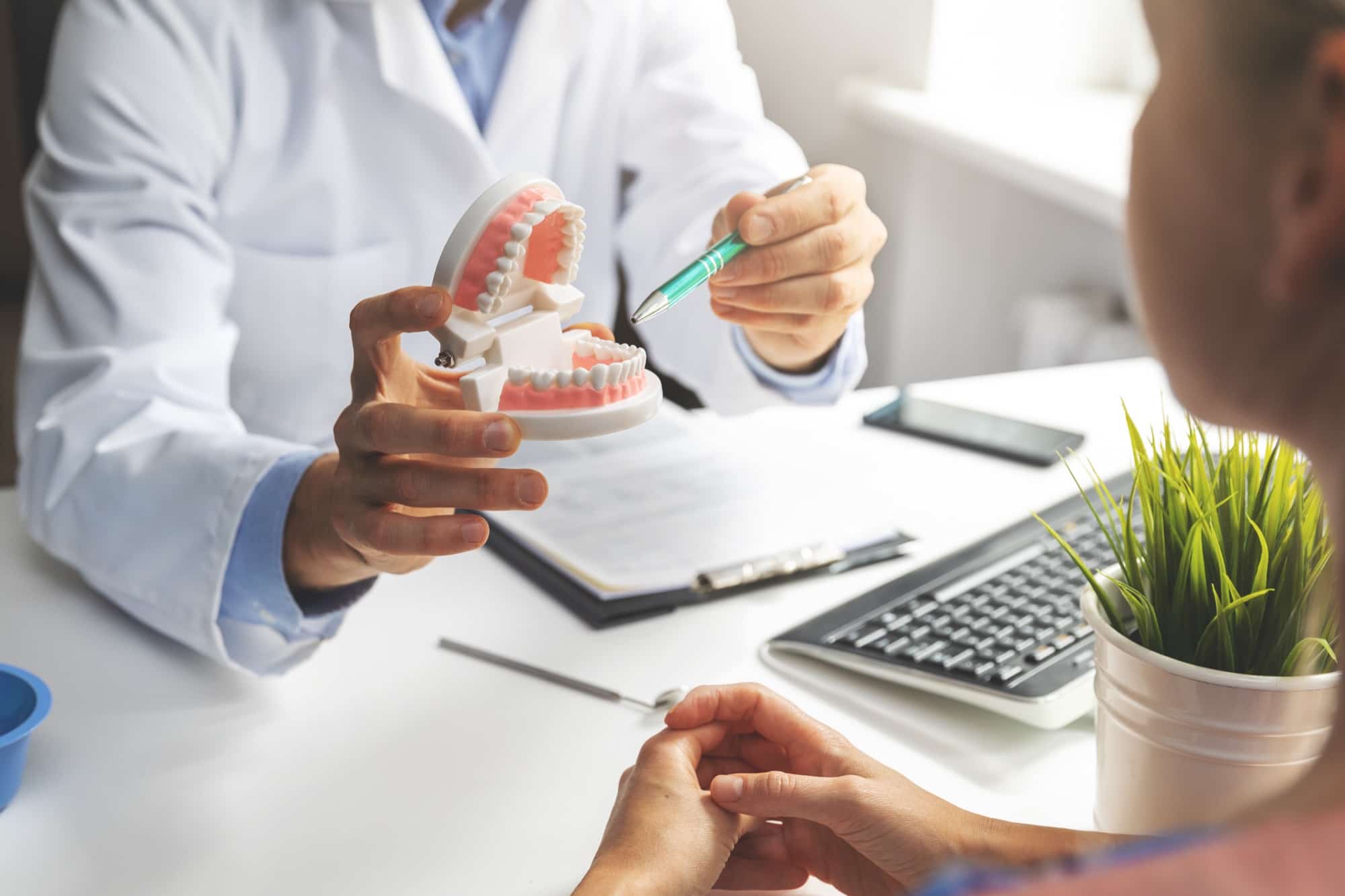
Fixed vs. removable, side by side
| What matters to you | Fixed full-arch teeth | Implant-anchored removable |
|---|---|---|
| Everyday feel | Stays in place; closest to natural teeth for most patients. | Very stable while worn, with some movement and bulk compared with fixed. |
| Cleaning | Cleaned in the mouth with techniques your team teaches you. | Removed for cleaning, which some patients find simpler. |
| Implants involved | Typically more implants to carry fixed teeth. | Often fewer implants, which can lower the overall fee. |
| Ongoing service | Professional maintenance visits; components serviced by your dental team. | Attachments and denture parts are serviced or replaced over time. |
Both are legitimate, well-established options. The right one depends on your bone, your priorities, and your budget — not on a one-size-fits-all sales pitch.
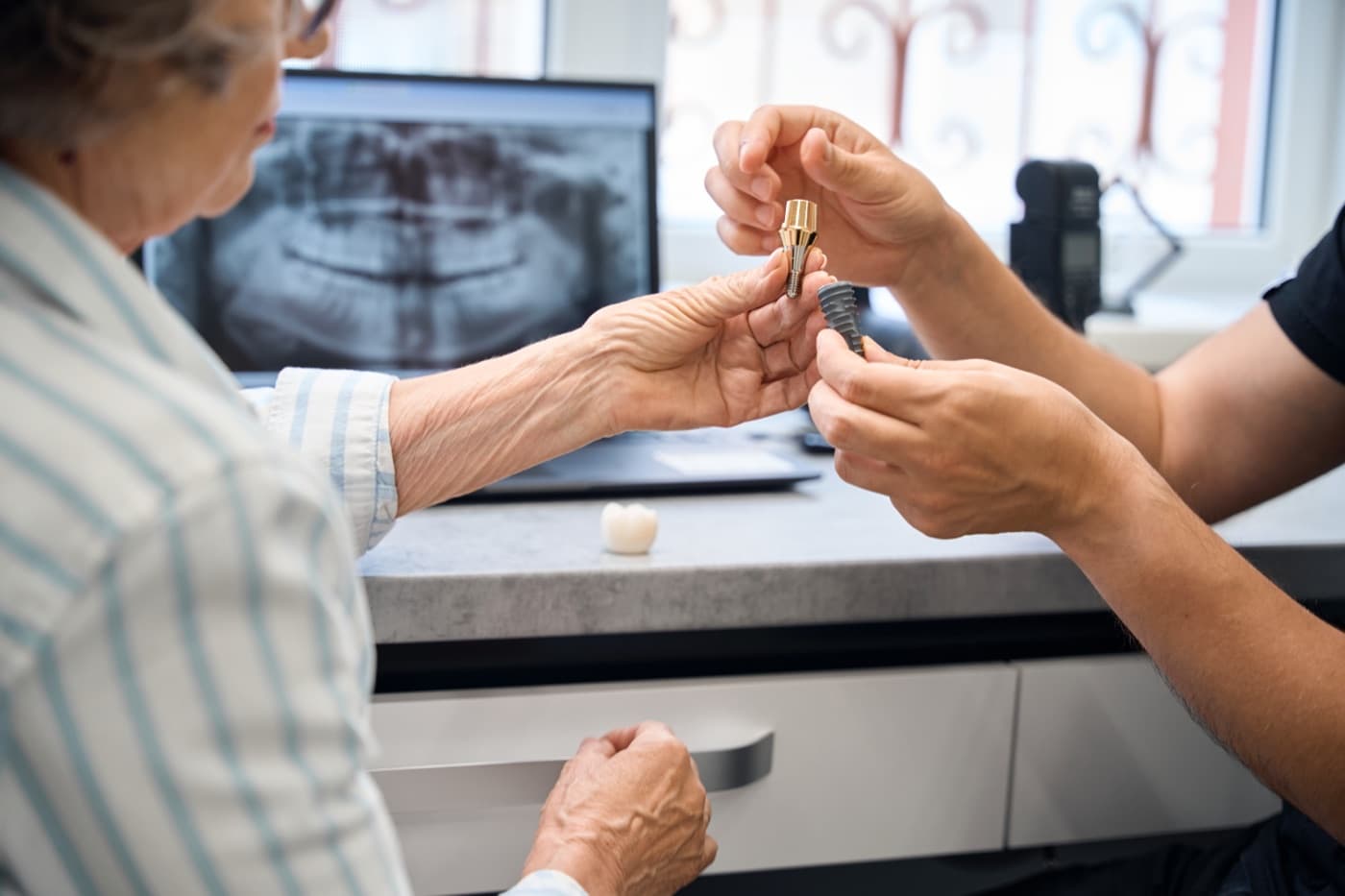
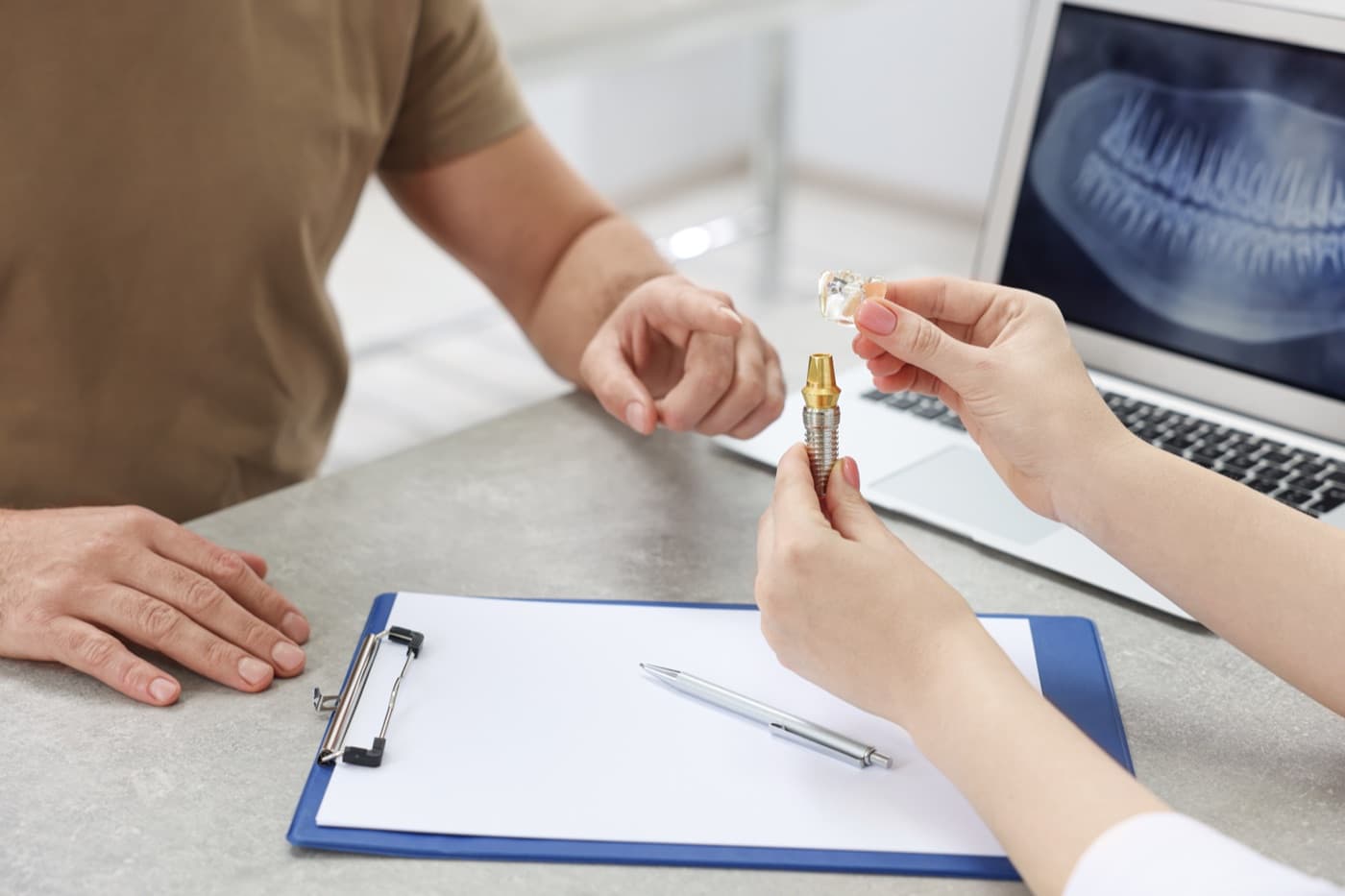
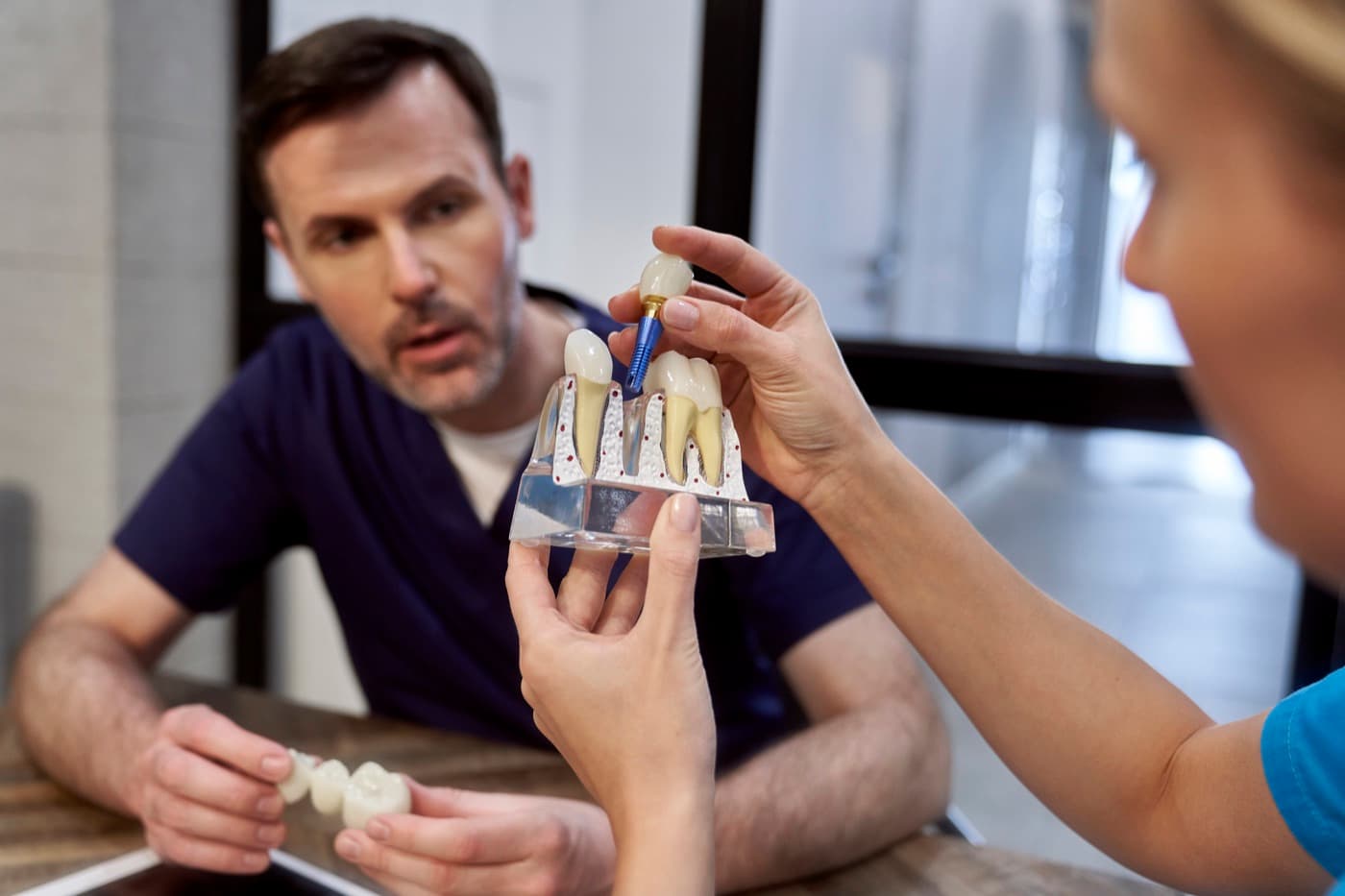
A complete row of teeth, honestly planned.
Most patients exploring full-arch care want three things: teeth that stay put, the ability to eat comfortably, and a natural appearance. A small set of implants supports an entire upper or lower row of teeth, designed around those goals.
Fixed and removable are both legitimate, well-established options. The right one depends on your bone, your priorities, and your budget — not on a one-size-fits-all sales pitch.
Two sets of teeth
Provisional teeth vs. final teeth
Full-arch treatment usually involves two restorations, and understanding the difference prevents the most common disappointment in implant dentistry.
Provisional (temporary) teeth
A well-made temporary set worn while your implants integrate and your gums take their final shape. Provisionals are designed for the healing phase — they protect the implants and let you function, but they are not built from final materials.
Final teeth
Made after healing is confirmed, using stronger materials and refined fit and appearance based on how you functioned with the provisional. This is the restoration designed for long-term daily use.
Interested in whether provisional teeth can be delivered around the time of surgery? Read about same-day provisional teeth →
Candidacy
Anatomy, health, and grafting
Full-arch planning is anatomy-driven. Your surgeon uses 3D imaging to evaluate bone volume and quality across the whole arch, along with the position of nerves and sinuses. Full-arch designs can often make efficient use of the bone you have, and in some cases reduce the need for grafting — but when imaging shows insufficient support, bone grafting or a sinus lift becomes part of the sequence.
Health history matters too: conditions and medications that affect healing, smoking, and the condition of any remaining teeth all shape the recommendation. None of this is a quiz you can fail — it is information that makes the plan honest.
Who does what
A coordinated team effort
Full-arch care involves more hands than any other implant treatment. Here is the division of labor.
Oral surgeon
Surgical planning, any extractions and grafting, implant placement, and healing oversight.
Restorative dentist
Designs the provisional and final teeth, manages fit, bite, and appearance, and provides long-term care.
Dental laboratory
Fabricates the restorations to the team’s specifications at each stage.
We coordinate the sequence and communication so you are never the messenger between offices.
Timeline
How long full-arch treatment takes
The honest answer: it depends on your starting point. A patient who needs extractions and grafting before placement follows a longer sequence than one whose bone is ready now. Integration time varies by patient, and the final teeth are made only after your surgeon confirms healing.
Rather than quoting a universal number, your surgeon maps your personal sequence at consultation — what happens at each stage, what each stage waits for, and how you will function (and what you will wear) throughout.
Maintenance and future needs
Full-arch restorations are serviceable by design. Expect professional maintenance visits, periodic servicing of components, and — over the years — replacement of wearing parts. Daily hygiene around implants is essential, and your team will show you exactly how. Budgeting for maintenance is part of honest planning, and we include it in the conversation.
What shapes the cost
Fixed vs. removable design, the number of implants, extractions and grafting, anesthesia, and the materials in the final teeth all move the fee. Before treatment, our team verifies your benefits and reviews a written estimate with you.
Considering full-arch treatment?
The consultation covers imaging, honest options, and a written plan — with no pressure to decide on the spot.