
Provisional Teeth vs. Final Teeth: Why Implant Treatment Happens in Stages
5 minute read
DRAFT — pending clinical review v1.0-draft Clinical reviewer (to be assigned)
The first teeth attached to your implants usually are not the last. Here is why a provisional stage exists and what the final teeth add.
Two sets of teeth, on purpose
Patients are sometimes puzzled to learn that the teeth attached during or shortly after implant surgery are not the final version. This is not a shortcut or a compromise — it is a deliberate design of the treatment. The provisional teeth serve the healing phase; the final teeth serve the rest of your daily life.
Understanding what each set is for makes the staged approach feel less like waiting and more like what it is: a careful progression toward a result that has been tested before it is finalized.
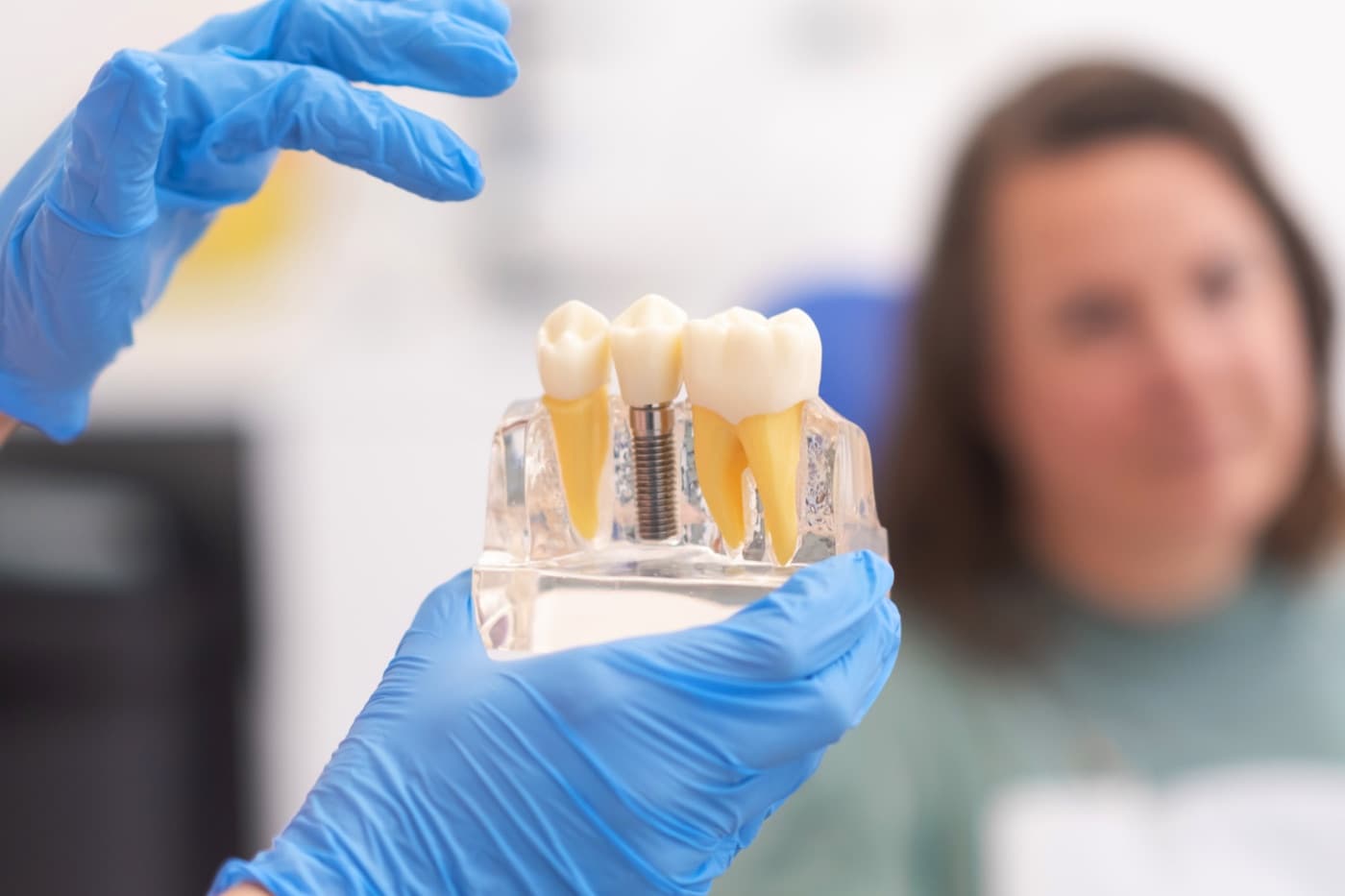
The two sets also answer different engineering questions. The provisional must be kind to healing implants; the final must stand up to years of daily function. Materials, thickness, and attachment details all differ accordingly.
What provisional teeth are designed to do
Provisional teeth are made from lighter materials and are designed to protect the implants while bone grows around them. During this period, the implants should not be overloaded, so provisionals are shaped and adjusted to manage the forces of chewing carefully. Your team will explain any dietary cautions that go along with this phase.
Provisionals are also a rehearsal. They let you and your team evaluate the length, shape, and position of the teeth, how your lips and speech interact with them, and how your bite feels — all while changes are still easy to make.
Speech deserves special mention. New teeth change the way your tongue and lips meet, and most patients adapt naturally during the provisional phase. Reporting which sounds feel awkward helps your team fine-tune contours before the final set is made.
What changes with the final teeth
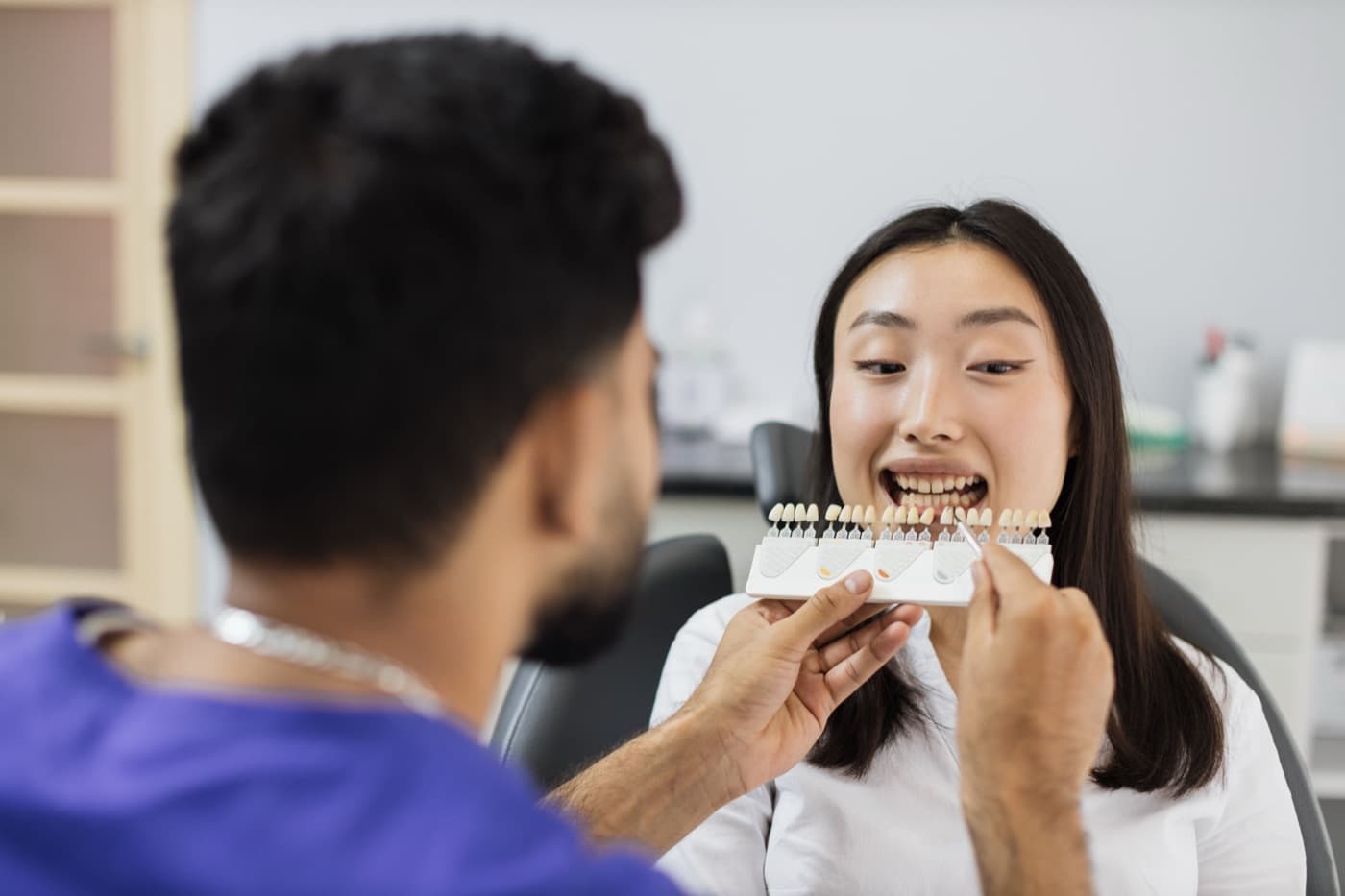
The final prosthesis is fabricated from stronger, more durable materials selected for long-term wear and appearance. It incorporates everything learned during the provisional phase: adjustments to the bite, refinements to shape and shade, and any changes you asked for after living with the trial version.
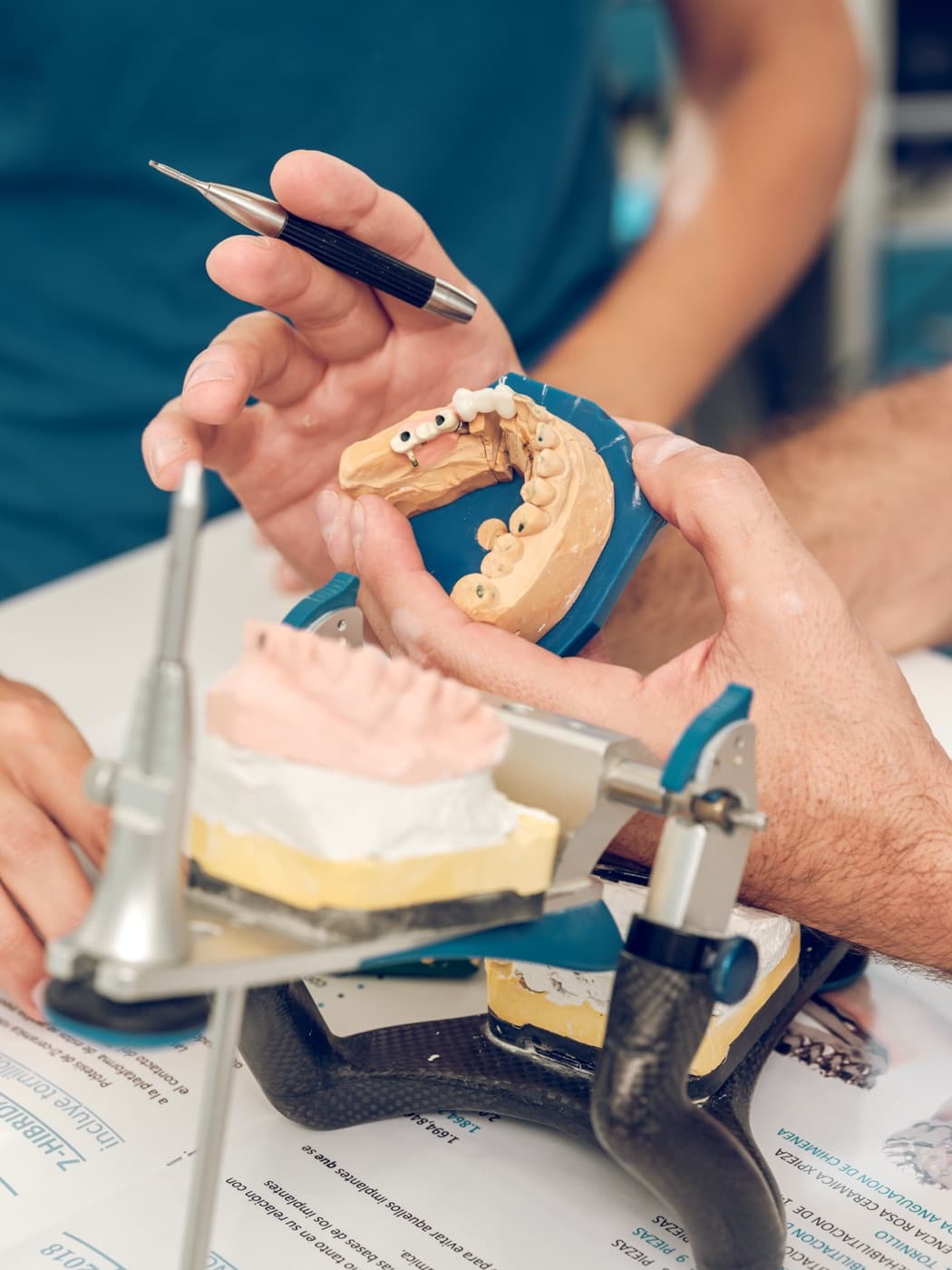
Fabrication is a craft. Your restorative dentist works with a dental laboratory, and often a skilled technician, to build teeth matched to your face, your gums, and your remaining natural teeth where present.
Because the final teeth are built from the tested provisional design rather than from scratch, the handoff between phases is less of a leap than patients expect. By the time the definitive set arrives, its shape and bite have already been proven in your mouth — the final version simply executes them in better material.
Why the switch cannot be rushed
The transition from provisional to final happens only after your surgeon confirms the implants have integrated solidly with the bone. Moving to definitive teeth before that point risks the foundation everything else depends on.
The pace of integration varies from patient to patient — your surgeon will determine when your implants are ready rather than following a fixed calendar. If your provisional phase runs longer than a friend's did, that reflects your biology, not a problem with your care. Trust the checkpoints your team has set; they exist to protect the result you have been working toward.
Making the most of the provisional phase
Treat the provisional stage as feedback time. Notice how the teeth feel when you speak, chew, and smile, and share those observations at your visits. Small complaints you mention now become improvements built into the final teeth.
Follow the care and diet guidance you are given, keep your scheduled appointments, and ask questions freely. The staged process exists so that your final teeth are fitted to evidence, not assumptions.
Keep the provisional clean exactly as instructed, even though it is temporary. The gum tissue healing around it is the same tissue your final teeth will meet, and its health shapes how good the finished result can look. A clean, calm gum line gives the laboratory the stable landscape it needs to craft natural-looking contours.
Common questions
Can I chew normally with provisional teeth?
What if I do not like how the provisional teeth look?
When do I get the final teeth?
This article is general education, not personal medical advice. It cannot account for your health history or imaging, and it never replaces the evaluation and written instructions you receive from your surgeon.
Ready to talk through your plan?
Request a consultation and our team will follow up to schedule your visit.