

Healing After Implant Surgery: The Phases Your Mouth Moves Through
5 minute read
DRAFT — pending clinical review v1.0-draft Clinical reviewer (to be assigned)
Implant healing is a sequence, not a single event. Here is what each phase involves — from early recovery to full integration with the bone.
Healing happens in layers
After implant surgery, two different kinds of healing run on two different clocks. The soft tissue — your gum — recovers relatively quickly, which is why you may feel back to normal well before the deeper process is finished. Beneath the surface, bone is slowly locking onto the implant, and that quieter work is what the whole treatment depends on.
Understanding the sequence helps you interpret what you feel. Feeling fine is not the same as being finished, and your surgeon's go-ahead — not your comfort level — marks the true milestones.
Healing is also not perfectly linear. Minor day-to-day fluctuation is common and rarely means anything is wrong, though a clear trend of worsening — described in the warning signs below — always deserves a call rather than patience.
The early phase: settling down
In the first stretch after surgery, your body focuses on calming the site. Some swelling, tenderness, and minor oozing are expected parts of this phase, and your written instructions cover how to manage them: rest, gentle cleaning as directed, soft foods, and protecting the area from disturbance.
This is the phase where your habits matter most. Avoiding smoking, following your instructions, and resisting the urge to prod the site with your tongue or toothbrush all give the tissue the calm environment it needs.
Nutrition quietly supports this phase as well. Soft, nourishing foods, plenty of fluids, and any dietary guidance you were given all feed the repair your body is doing. Think of it as supplying the construction site.
The quiet middle: integration
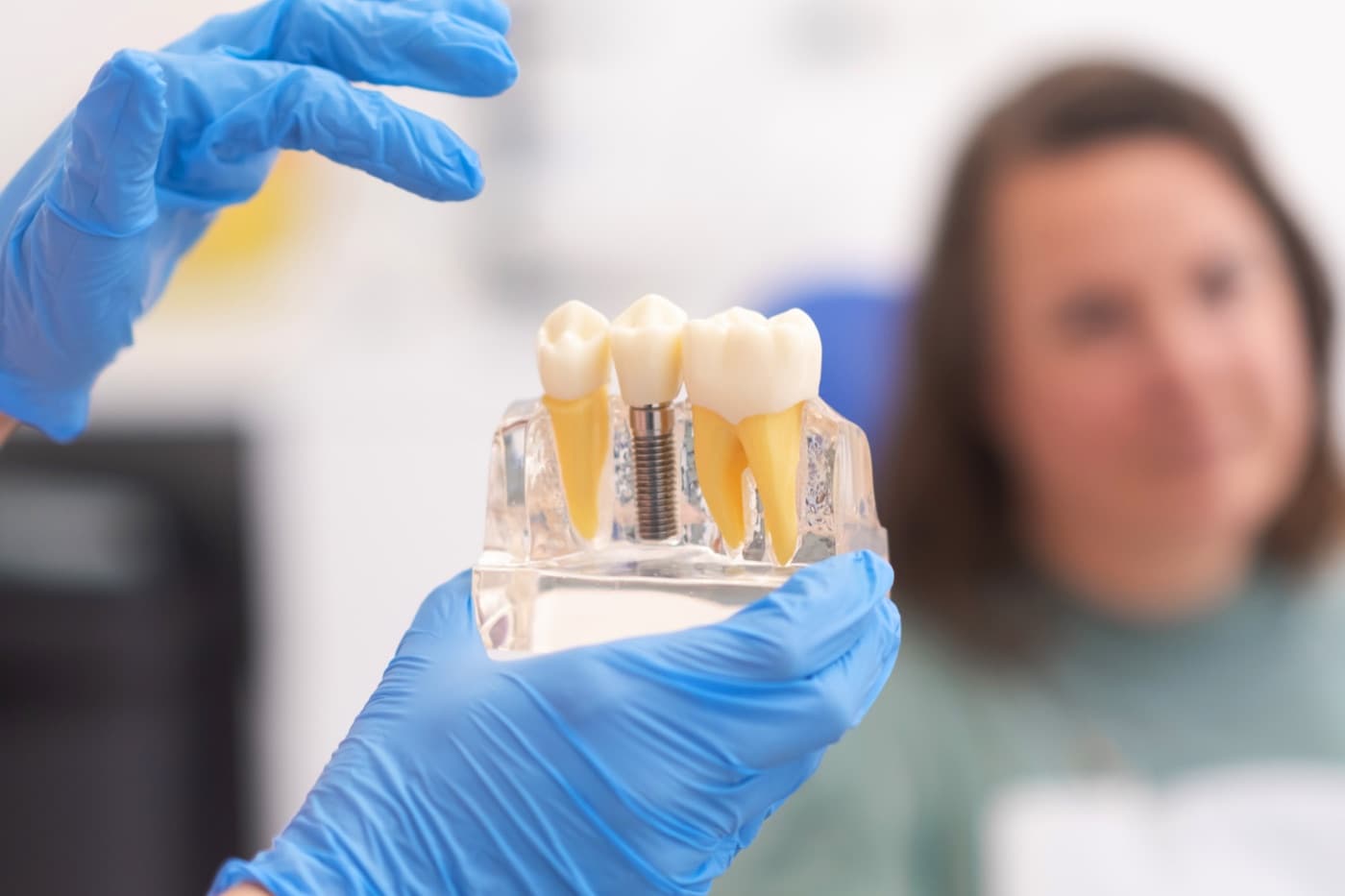
Once the surface settles, the defining phase begins: osseointegration, in which bone cells grow onto and around the implant's surface until it is held rigidly in place. You will not feel this happening. The site may look and feel completely healed while integration is still underway.
The pace of this phase depends on your bone quality, the site, your health, and whether grafting was involved. Healing time varies by patient and procedure — your surgeon will give you a personal timeline and will verify integration rather than assume it.
If a graft was part of your surgery, your timeline reflects that too, since the graft matures on its own schedule before or alongside integration. Comparing your progress to another patient's is rarely useful; comparing it to your own plan always is. Your follow-up visits are where that comparison happens, with the benefit of an examination rather than guesswork.
Confirming readiness
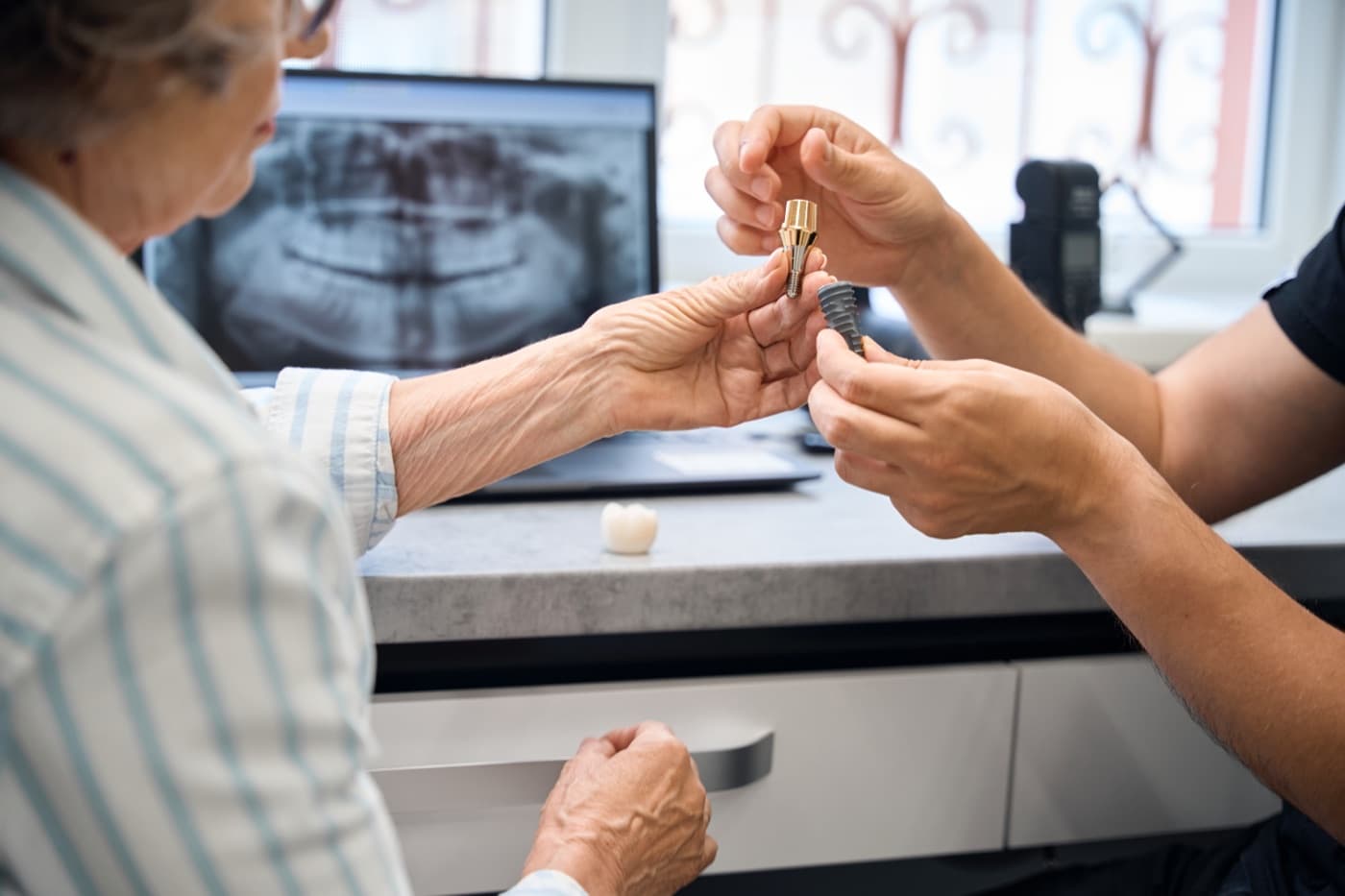
Before your restoration moves forward, your surgeon checks that the implant is solidly integrated. That assessment may involve examining the site, testing the implant's stability, and reviewing imaging. Only when the foundation passes these checks does the restorative phase begin.
This checkpoint is also where your restorative dentist re-enters the picture. Once the surgeon confirms the implant is ready, records move to the dentist's office and the design of your final tooth or teeth gets underway on a solid foundation.
If your surgeon asks for more time, take it as good judgment rather than a setback. Loading an implant before the bone is ready puts the entire investment at risk; patience at this stage protects everything that follows.
What deserves a phone call
Throughout healing, contact your surgical office if you notice increasing pain after an initial improvement, swelling that grows rather than fades, persistent bleeding, a bad taste or discharge from the site, fever, or any looseness of a healing component. Early questions are always welcome — that is what your follow-up care is for.
This overview is general education. Your own aftercare instructions are specific to your surgery and always take precedence. When in doubt at any phase, call — a brief conversation with your surgical team settles most worries quickly and catches the rare real problem early.
Common questions
How long does implant healing take?
The site feels fine — does that mean it is healed?
What symptoms during healing are not normal?
This article is general education, not personal medical advice. It cannot account for your health history or imaging, and it never replaces the evaluation and written instructions you receive from your surgeon.
Ready to talk through your plan?
Request a consultation and our team will follow up to schedule your visit.