
Impacted Teeth Aren't Just Wisdom Teeth: Canines, Premolars, and More
5 minute read
DRAFT — pending clinical review v1.0-draft Clinical reviewer (to be assigned)
Any tooth can fail to erupt into place. What impaction means, which teeth are affected besides wisdom teeth, and how surgeons and orthodontists treat it.
What “impacted” really means
A tooth is impacted when it fails to erupt into its normal position in the arch — blocked by another tooth, dense bone, or overlying tissue, crowded out by a lack of space, or misdirected because it developed at an unfavorable angle. Wisdom teeth are the famous example, largely because they arrive last, when the least room remains.
But eruption is a journey every tooth makes, and any tooth can be stopped along the way. When patients hear that a tooth other than a wisdom tooth is impacted, the news often comes as a surprise — yet for oral surgeons and orthodontists, these situations are familiar territory with well-established treatment paths.
Impaction also exists on a spectrum. Some teeth are fully buried in bone, others are partially through the gum, and others are simply delayed and may still erupt with time or a little help. Where a tooth falls on that spectrum shapes every decision that follows.
The canine: the impacted tooth surgeons work to save
After wisdom teeth, the teeth most often impacted are the upper canines — the pointed “eye teeth” at the corners of the smile. Canines travel a long path through the jaw before erupting, which gives them more opportunities to go off course, often drifting toward the roof of the mouth.
Unlike wisdom teeth, canines are cornerstones of the bite: they guide how the jaws slide across each other and shape the appearance of the smile. So the goal is usually rescue, not removal. In a common approach, an oral surgeon uncovers the impacted canine and bonds a small attachment with a fine chain to it; an orthodontist then uses braces or other appliances to guide the tooth gradually into its proper place. Surgeon and orthodontist plan this teamwork together.
Other teeth that can be impacted
Premolars and lower canines can also become impacted, sometimes because baby teeth were lost early and neighbors drifted into the space, or because crowding left no room. Occasionally an extra tooth — called a supernumerary tooth — forms in the jaw and blocks a normal tooth from erupting; removing the extra tooth may allow the blocked one to come through.
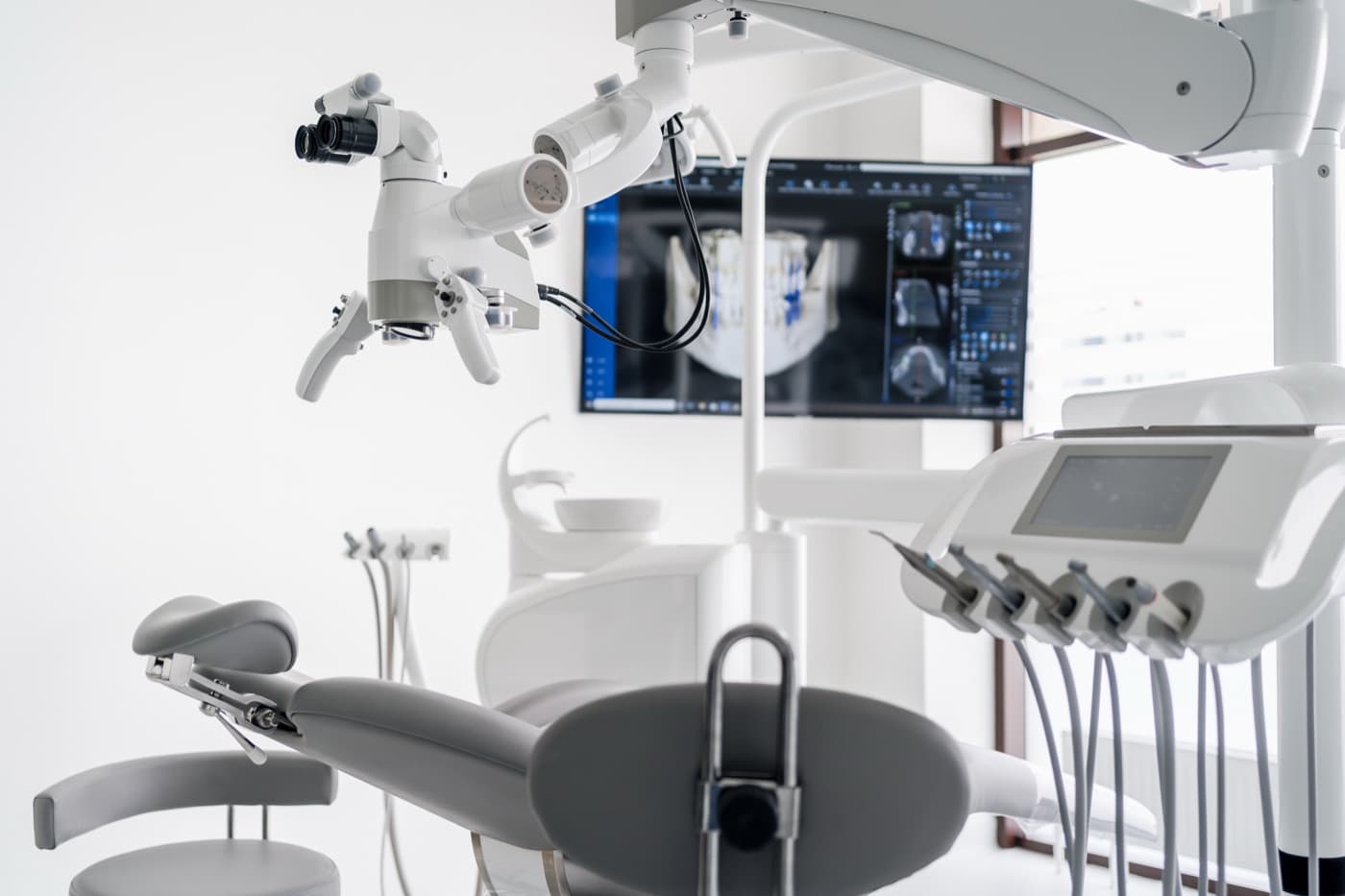
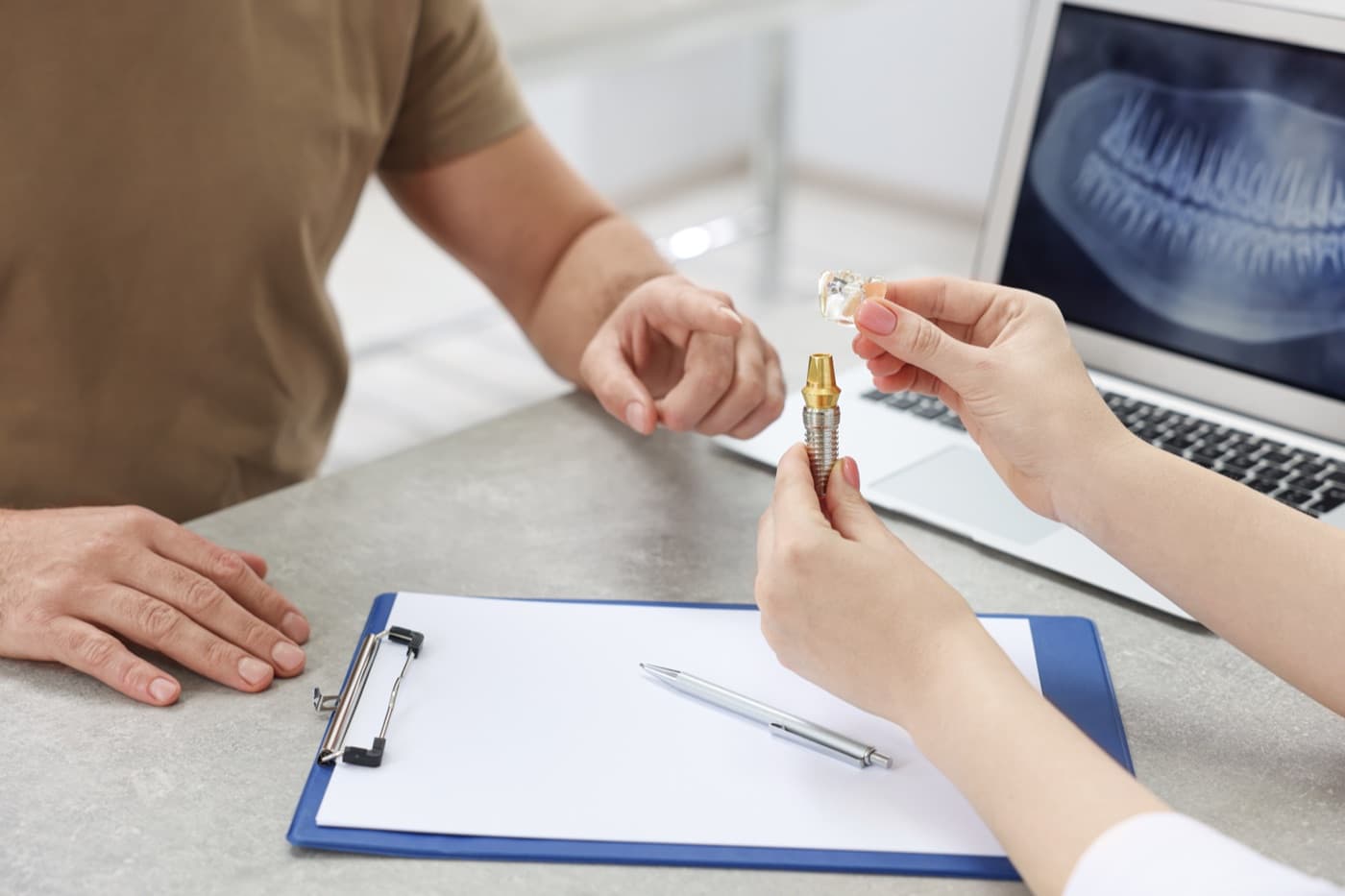
Some impacted teeth cause no symptoms at all and are discovered only on an X-ray taken for another reason. That is one of the quiet benefits of broad imaging like a panoramic view at a dental or surgical evaluation: it can reveal a buried tooth before it causes trouble.
Timing shapes many of these stories. Eruption problems are often easiest to address while the jaw is still developing and teeth are still moving, which is one reason dentists and orthodontists monitor eruption patterns closely in younger patients — and why an unusual pattern may prompt an early conversation with an oral surgeon.
Why impacted teeth deserve attention even when silent
An impacted tooth that causes no pain can still cause problems. It can press against the roots of neighboring teeth, contribute to crowding or bite changes, or, less commonly, develop a cyst in the tissue that surrounds its buried crown. Because these processes are usually painless while they progress, evaluation does not wait for symptoms.
Not every impacted tooth needs treatment — some are reasonably monitored over time with periodic examination. The options generally include observation, surgical exposure with orthodontic guidance, or removal, and the right choice depends on which tooth is involved, its position, your orthodontic picture, and your goals. That decision is made in consultation, often with imaging prescribed when clinically indicated to define the tooth's exact position. This article is educational, not a recommendation for any specific tooth.
Common questions
How would I know if I have an impacted tooth besides wisdom teeth?
Are impacted canines always saved rather than removed?
Does exposing an impacted tooth hurt?
This article is general education, not personal medical advice. It cannot account for your health history or imaging, and it never replaces the evaluation and written instructions you receive from your surgeon.

Ready to talk through your plan?
Request a consultation and our team will follow up to schedule your visit.