

Making the Most of Your Surgical Consultation
5 minute read
DRAFT — pending clinical review v1.0-draft Clinical reviewer (to be assigned)
A consultation is a working conversation, not a lecture. A little preparation turns it into the most valuable visit of your treatment.
What a consultation is for
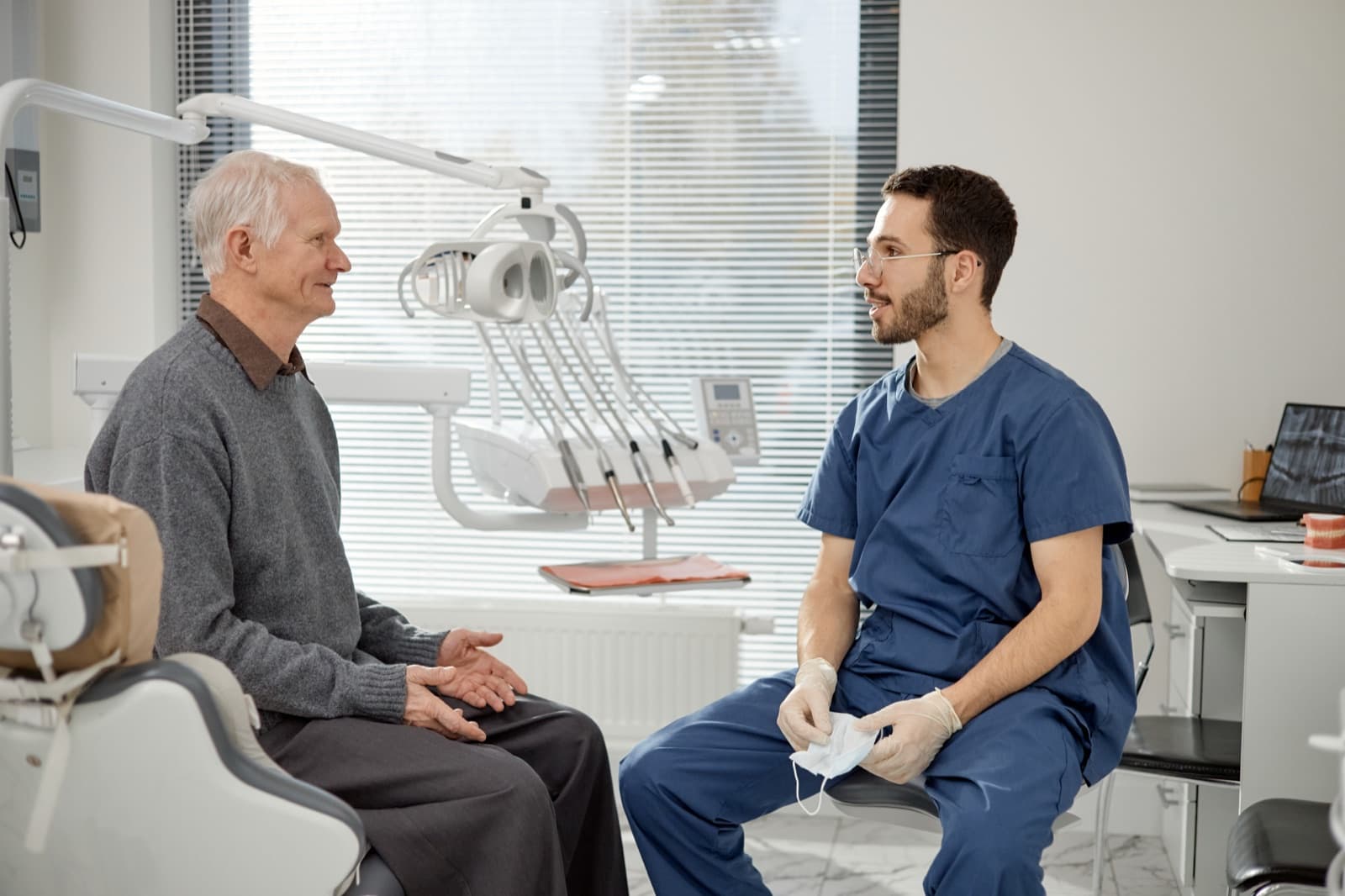
A surgical consultation exists to answer three questions: what is going on, what are the options for addressing it, and what would treatment look like for you specifically. It is an examination, a discussion, and a planning session — and you are a participant in all three, not an audience.
Patients who arrive with a little preparation consistently get more out of the visit: clearer answers, plans that fit their real lives, and fewer 'I wish I had asked' moments afterward.
It is also the visit where trust gets established. You are deciding whether you understand and feel confident in the plan; your surgeon is learning what matters to you and how you like information delivered. Treating the consultation as a two-way conversation, rather than a hurdle before the 'real' appointment, sets the tone for everything that follows.
What to bring
Bring a complete picture of your health: a list of every medication and supplement you take, your medical conditions, past surgeries, and any prior reactions to anesthesia. Bring any referral paperwork or imaging your dentist provided, plus your insurance information and identification.
Completeness matters more than polish. A handwritten list is perfect. What your surgeon needs is accuracy — every item on that list can influence how your care is planned.
If remembering every medication is hard, bring the actual bottles or a photo of them — pharmacies and other physicians' offices can also help you assemble a list. Include occasional medications and anything over-the-counter you take regularly. Supplements count too, because they can matter to surgical and anesthesia planning in ways that surprise people.
Write your questions down
Consultation appointments move quickly, and it is remarkably easy to forget your most important question in the moment — especially if you are nervous. Write your questions down beforehand and bring the list. Reading from paper is not awkward; it is effective, and it signals to your surgeon exactly what matters most to you.
Consider bringing a trusted person too. A second set of ears catches details you might miss, and talking the visit over together afterward helps the information settle.
Taking notes during the visit is equally worthwhile — or asking whether a written summary of the plan will be provided. Medical conversations hold a lot of detail, and having it on paper means you review facts at home instead of reconstructing them from memory.
Be candid — especially about the hard parts
The consultation is the moment for full honesty: about smoking or alcohol use, about anxiety, about difficulty affording care, about past experiences that shape how you feel about treatment. None of it is judged, and all of it improves your plan. Care teams can only work with what they know.
If something your surgeon says is unclear, say so on the spot. 'Can you explain that in plainer terms?' is one of the most useful sentences in any medical visit.
Candor runs both directions. If you want the unvarnished version — the realistic range of outcomes, the honest trade-offs — say so. Surgeons calibrate how they present information to what patients seem to want; telling yours directly how much detail you prefer gets you a conversation that actually fits you.
Leave with clarity
Before you leave, make sure you can answer: What is my diagnosis, in words I understand? What are my options, including waiting? What happens next, and what do I need to do before then? If any of those are fuzzy, ask before you walk out the door.
And remember that questions do not expire when the visit ends. If something occurs to you at home, call the office. This article is general education — the plan that applies to you is the one you build with your surgeon.
Common questions
What should I bring to a surgical consultation?
Is it okay to bring someone with me?
What if I think of questions after the appointment?
This article is general education, not personal medical advice. It cannot account for your health history or imaging, and it never replaces the evaluation and written instructions you receive from your surgeon.


Ready to talk through your plan?
Request a consultation and our team will follow up to schedule your visit.